Plow Pose
Plow flips you upside down and folds you forward at once: the hips stack over the shoulders while the feet reach to the floor behind the head. That draws a long, even stretch through the spinal line and hamstrings, and gently loads the back of the neck. It calms the nervous system and preps the body for Shoulder Stand, but treat the neck with care and never force the feet down.
- Equipment
- Body Weight
- Type
- Balance, Stretching, Yoga
- Browse by muscle
- Erector Spinae, Biceps Femoris, Semitendinosus
- Browse by movement
- Core Brace








- Target
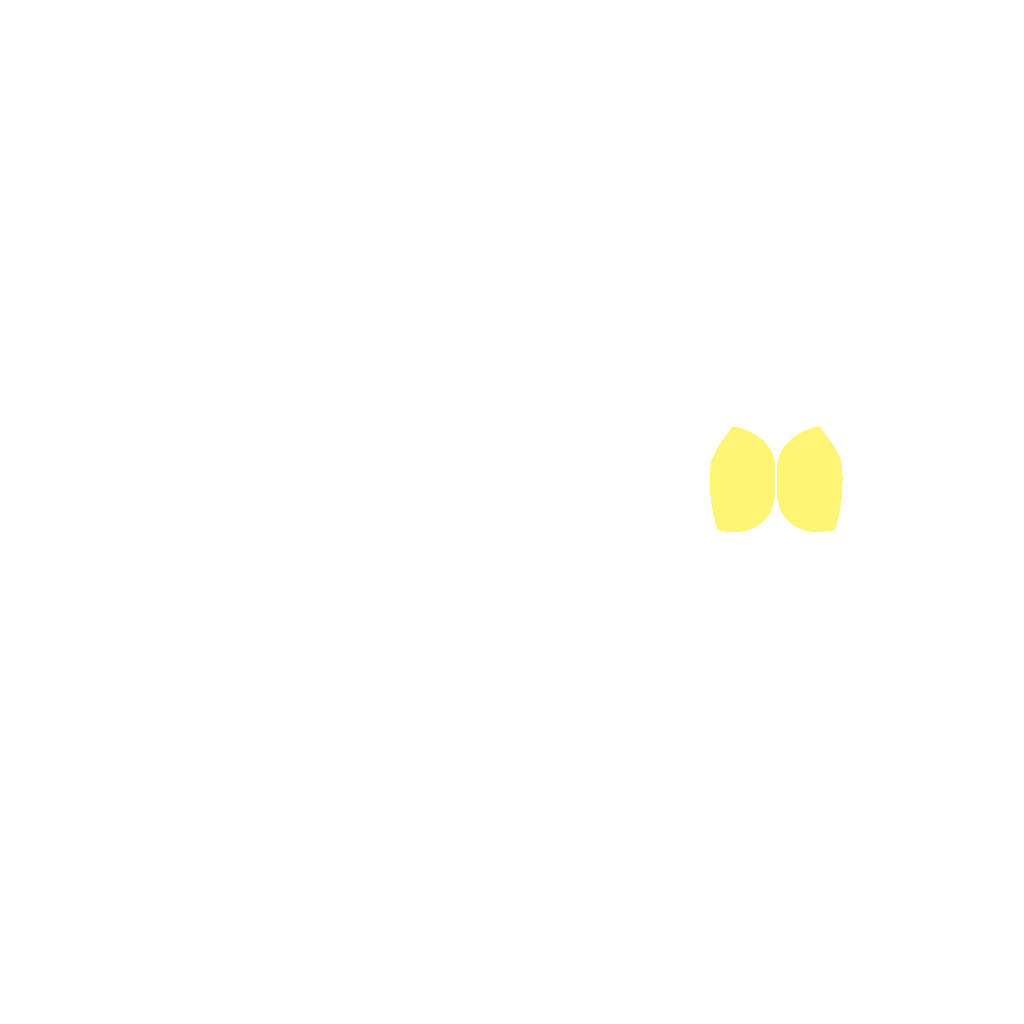
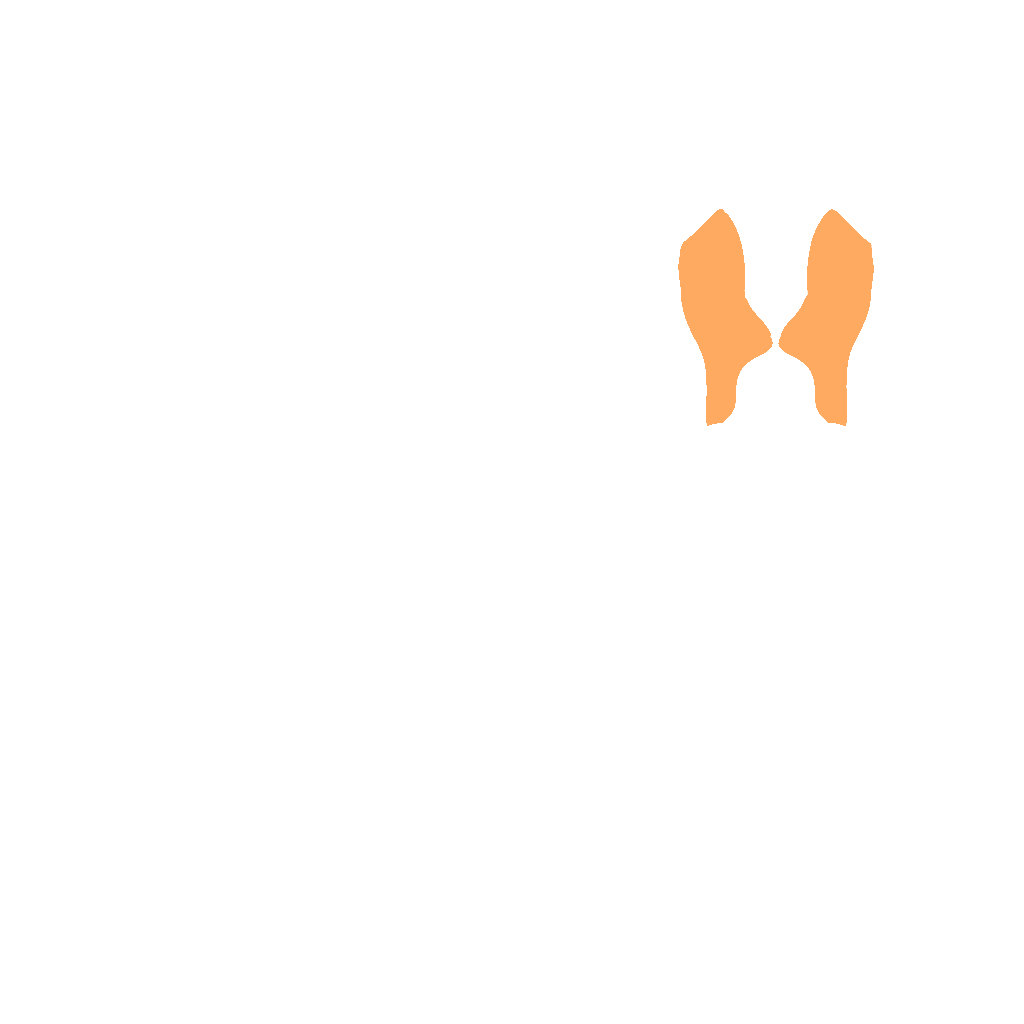
- Erector Spinae, Biceps Femoris, Semitendinosus
- Secondary
- Latissimus Dorsi, Trapezius Upper
- Tertiary
- Deltoid Posterior, Gluteus Maximus
How to do it
- 1
Lie on your back with arms flat by your sides, palms down.
- 2
Draw the knees in, then lift the hips and swing the legs up and over the head.
- 3
Reach the toes toward the floor behind you, keeping the legs as straight as comfortable.
- 4
Support the mid-back with your hands, or interlace the fingers and press the arms into the mat.
- 5
Keep the neck long and avoid turning the head while in the pose.
- 6
To exit, support the back with the hands and roll the spine down one bone at a time.
Tips
- If the toes do not reach the floor, rest them on a chair or bolster instead of straining.
- Keep weight on the shoulders and upper arms, never on the neck itself.
- Come out slowly and controlled; avoid rolling out with momentum.
Variations
Common mistakes
- The legs get flung over the head to get the toes down, and the whole bodyweight arrives on the neck at once; lift the hips first and travel slowly.
- The head gets turned to look around once the legs are overhead, at the exact moment the neck is loaded at the end of its range; keep it still and facing up until you are out.
- The arms lie loose beside you, so nothing supports the mid-back and the spine sags toward the neck; press the arms down into the mat or bring the hands to the back.
- Shoulders sit on a thin mat with the neck flat on the floor, which asks the neck to flatten completely; stack a folded blanket under the shoulders so the head rests lower than they do.
- The hold runs on for several minutes on the theory that longer is calmer, when what gets longer is the time the neck spends under load; a minute is plenty at first.
Frequently asked
- How long should I hold Plow Pose when I am new to it?
- Thirty seconds to a minute, one round, is a sensible start, with a blanket under the shoulders from the first attempt rather than added later. Build toward two minutes over months, not weeks. Breathing should stay easy the whole time; if it does not, you have gone further than the pose is giving you. Follow it with Fish Pose or simply lying flat for a minute, and avoid sitting straight up afterwards, since the neck has just spent that time fully flexed.
- How do I make Plow Pose gentler on my neck, and how do I progress it?
- Easier: rest the toes on a chair seat, a stack of cushions or a bolster set behind your head, which keeps the shape without the full fold. Half plow, with the legs held at forty-five degrees or resting up a wall, gives much of the calming effect with far less on the neck. Harder: straighten the legs fully and walk the toes further back, or hold for longer. Moving into Shoulder Stand from here is the usual next step and should be learned with a teacher.
- Who should be doing Plow Pose, and who should avoid it?
- It lengthens the whole back line from the neck to the hamstrings, and many people find the position quiets them down, which is why it lands near the end of a class alongside Shoulder Stand. The trade is that the back of the neck takes a sustained stretch under bodyweight. Skip it with any neck injury or ongoing neck pain, with disc problems, if you are pregnant, or if you have been advised to avoid inversions; a supported half plow or legs up a wall gives you the rest without the load.
Related exercises
Other movements among FitRay's 2,000+ exercises that load the same target muscle — same equipment and level first.
- IntermediateHollow-to-Arch TransitionBody Weight · Abs · Back
- IntermediatePlow to Shoulderstand TransitionBody Weight · Abs · Neck
- AdvancedPeacock PoseBody Weight · Back · Forearms
- BeginnerBird DogBody Weight · Abs · Back
- BeginnerBird-Dog Balance HoldBody Weight · Back · Glutes
- AdvancedControl BalanceBody Weight · Glutes · Hamstring