PNF Adductor Stretch
Tight adductors cap your squat depth and lateral movement. This seated version uses your own hands as resistance: you press the knees up against them for a brief isometric, then relax and let the knees sink lower. It is a reliable way to build groin range for wide-stance squats, Cossacks, and any sport with sideways cutting.
- Equipment
- Body Weight
- Body part
- Thighs
- Type
- Stretching
- Browse by muscle
- Adductor Longus, Adductor Magnus


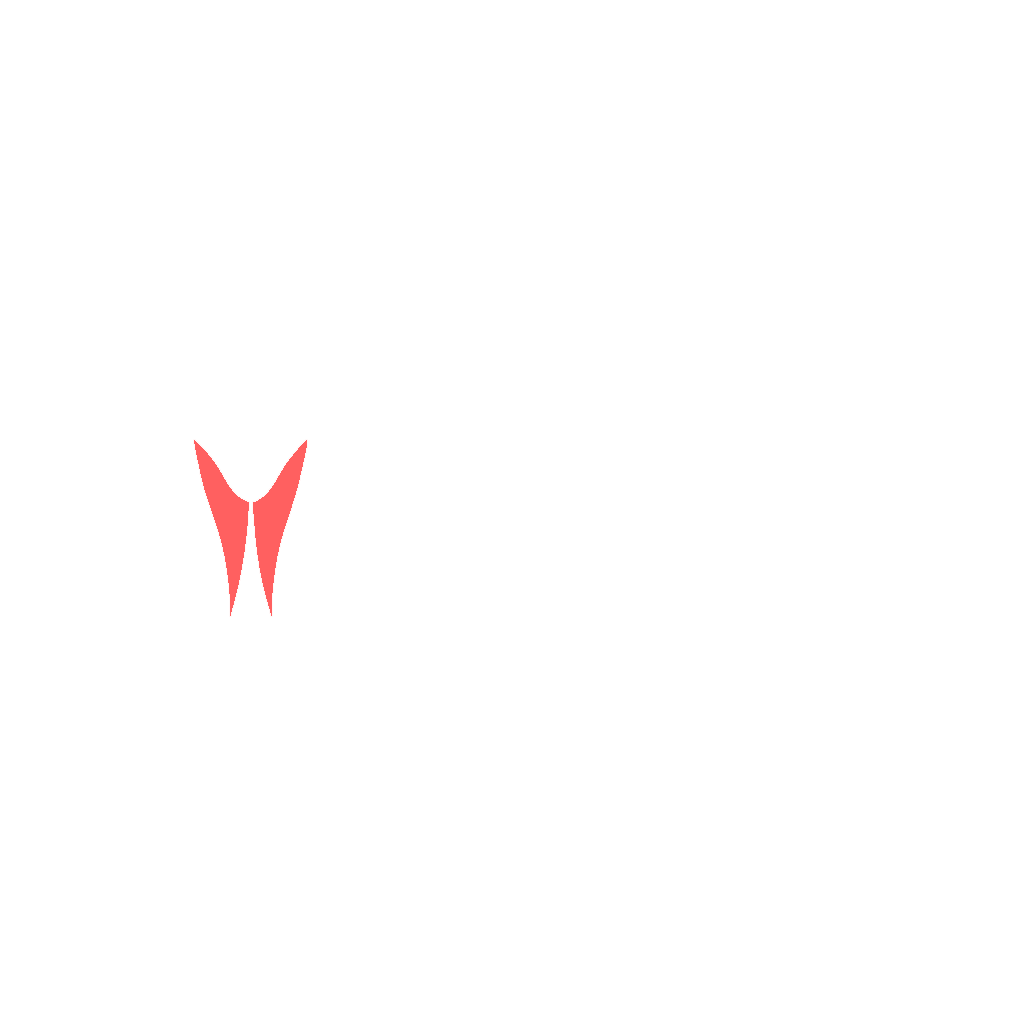

- Target
- Adductor Longus, Adductor Magnus
How to do it
- 1
Sit tall with the soles of the feet together and let the knees fall out toward the floor.
- 2
Place your hands or elbows on the inner thighs just above the knees and press down until you feel a firm inner-thigh stretch.
- 3
Contract: drive both knees up against your hands as if closing them, resisting so nothing moves, and hold the isometric at about 25 percent for six to ten seconds.
- 4
Relax the legs completely for two to three seconds and exhale.
- 5
Gently press the knees lower into the new range and hold briefly.
- 6
Repeat the contract-relax cycle three to four times.
Tips
- Sit on a folded towel or cushion to keep the spine tall and the pelvis upright.
- Keep the effort modest and even on both sides; this is a mobility drill, not a strength test.
- Hinge forward slightly from the hips during the relax phase for a deeper stretch if the hips allow.
Variations
Common mistakes
- The lower back rounds to chase extra depth instead of hinging from the hips, which pulls the stretch away from the groin and onto the spine.
- Skipping the two-to-three-second pause between contracting and relaxing means the adductors never actually let go before you press for new range.
- Uneven hand pressure sinks one knee lower than the other across the three or four cycles, loading one hip more than the other without anyone noticing.
- Cranking the contraction to a near-maximal squeeze instead of the light quarter-effort the steps call for leaves the adductors guarding instead of letting go in the relax phase.
Frequently asked
- How many rounds of the PNF adductor stretch should you do when you are new to the exercise?
- One full pass of three to four contract-relax cycles counts as a set, and one set, a few times a week, is a solid start. Let each new range come from the relax phase settling deeper, rather than from squeezing harder during the contraction.
- How do I make the PNF adductor stretch easier or harder?
- Easier: sit higher on a folded towel or cushion and use a lighter isometric squeeze. Harder: hinge the chest forward over the feet with a long spine, or add an extra contract-relax cycle once the current range stops producing anything new.
- What is the PNF adductor stretch good for, and who should be careful with it?
- It builds groin range for wide squats, Cossacks, and sports with sideways cutting, and suits someone already comfortable applying gentle isometric tension in a stretch. Skip it during a current groin or adductor strain, since active contraction against a hurt tendon can aggravate it, and beginners to stretching may prefer a simple static hold first.
Related exercises
Other movements among FitRay's 2,000+ exercises that load the same target muscle — same equipment and level first.
- IntermediateLunge MatrixBody Weight · Glutes · Quads
- IntermediateCariocaBody Weight · Glutes · Thighs
- IntermediateCossack SquatBody Weight · Kettlebells · Glutes
- IntermediateCossack Squat HoldBody Weight · Glutes · Thighs
- IntermediateCossack to ShinboxBody Weight · Glutes · Thighs
- IntermediateDeep Squat HoldBody Weight · Glutes · Thighs