Rope Lat Pulldown
Swapping the bar for a rope frees the wrists to rotate and the hands to travel past the shoulders, so you can pull deeper and flare the elbows back for a stronger lat squeeze than a fixed bar allows. The neutral, moving grip is kind to the elbows and encourages a genuine mind-muscle focus on the back. It shines as a second or third pulldown movement when you want to chase the contraction rather than max load.
- Equipment
- Cables
- Type
- Strength
- Browse by muscle
- Latissimus Dorsi
- Browse by movement
- Vertical Pull






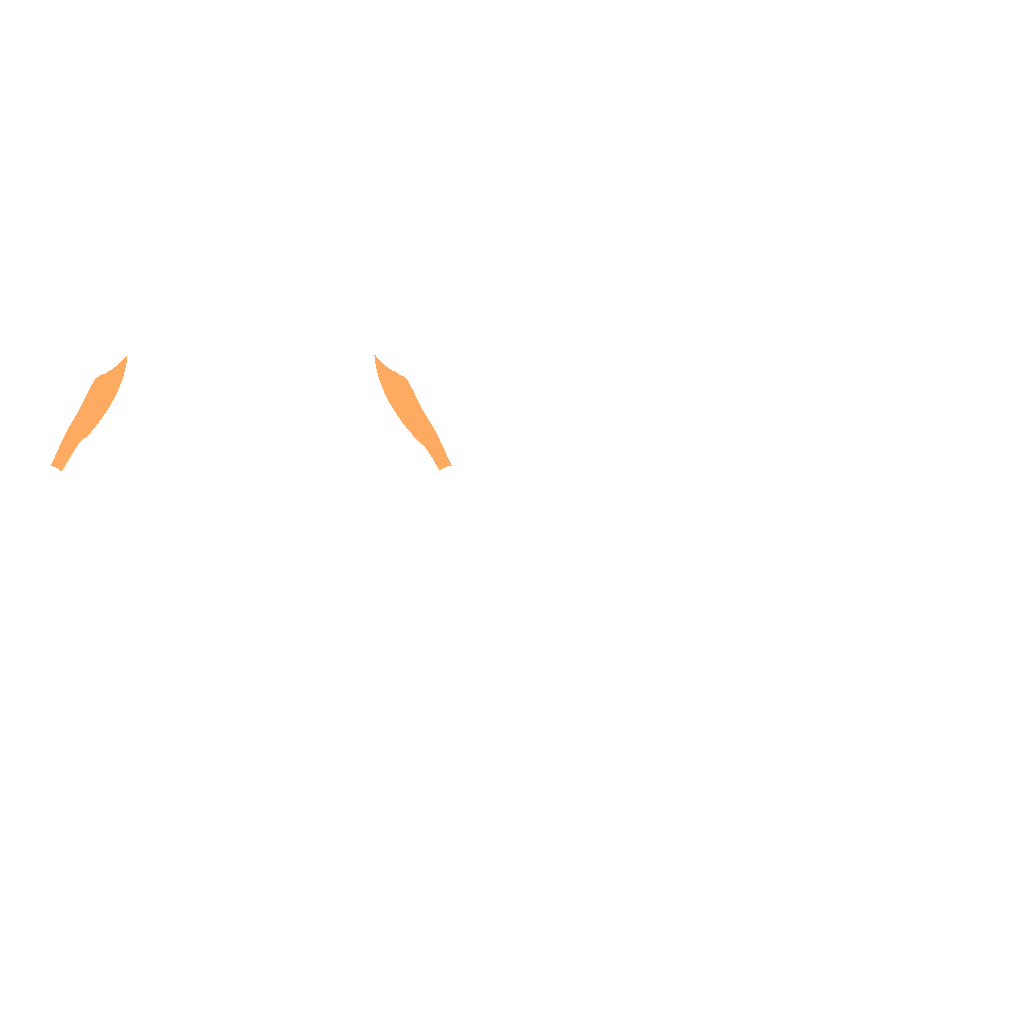
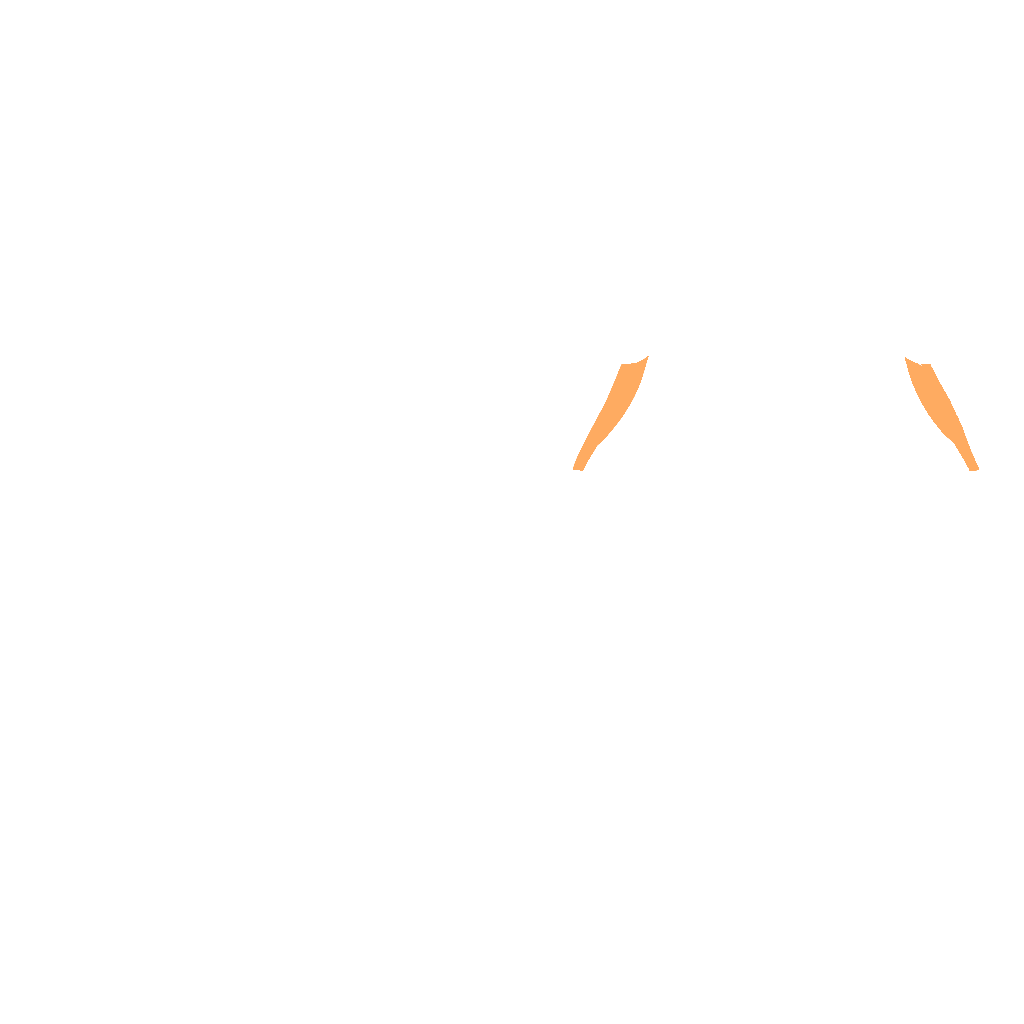



- Target
- Latissimus Dorsi
- Secondary
- Biceps Brachii Long Head, Biceps Brachii Short Head, Brachioradialis, Trapezius Lower, Trapezius Middle
- Tertiary
- Infraspinatus, Deltoid Posterior
How to do it
- 1
Attach a long rope to the high pulley and lock your thighs under the pad.
- 2
Grab the rope with palms facing in, sit tall, and set the shoulders down.
- 3
Pull the rope down and let the hands split apart as they pass your face.
- 4
Drive the elbows down and back, finishing with the hands beside your chest or ribs.
- 5
Squeeze the lats and mid-back hard, then let the rope rise slowly to a full stretch.
- 6
Exhale on the pull, inhale on the return, keeping the torso steady.
Tips
- Pull the rope ends apart at the bottom to sharpen the mid-back contraction.
- Keep tension smooth, the moving grip rewards control and punishes yanking.
- Think elbows to the back pockets so the lats, not the arms, finish the rep.
Variations
Common mistakes
- The rope stays in one line down the middle and clips the nose or the chin; the hands have to split apart as they pass the face, and that split is also what lets the elbows get behind you.
- A short rope leaves no room for the hands to travel apart, so the movement collapses back into a narrow bar pull; take the longest rope on the rack.
- Elbows are driven so far behind the torso at the finish that the shoulder rolls forward; stop when the upper arms are alongside your ribs and the shoulder blades have come together.
- Because a rope cannot be loaded like a bar, the pin gets set as though it could, and then the hands cannot split apart at the bottom at all, which is the whole reason to use the attachment.
Frequently asked
- How many sets and reps of the rope lat pulldown should I do?
- Two or three sets of 12 to 15, run as the second or third back movement when you want the contraction rather than a number on the stack. Hold the split position at the bottom for a beat on every rep. Progress by adding reps or lengthening that hold; the pin moves last, because a rope pulled apart at the bottom stops working the moment the load is heavy enough to keep your hands together.
- What can I use instead of a rope for this pulldown?
- Two D-handles clipped to the same carabiner do the same job and let the hands travel apart as freely, usually with a firmer grip. A band over a high anchor with one end in each hand also allows the split, and its tension rises as you pull, which suits the bottom position. A standard V-handle keeps the neutral wrist but fixes the hands in place, so you lose the flare that makes the rope version worth doing.
- What is the rope lat pulldown good for, and when is it the wrong choice?
- The moving grip lets the hands pass the shoulders and the elbows finish further back than a fixed bar allows, so it suits mid-back work and anyone who wants to feel the contraction rather than move a big number, and the rotating neutral hold is kind to the elbows. It is the wrong choice as your main or heaviest vertical pull, because a rope caps what you can hold and starts sliding through your hands well before the back is done. Use a bar for the heavy work and this for the finish.
Related exercises
Other movements among FitRay's 2,000+ exercises that load the same target muscle — same equipment and level first.
- IntermediateCable Lateral DragCables · Back · Lats
- IntermediateCable PulloverCables · Back · Lats
- IntermediateCross-Cable Lat PulldownCables · Back · Lats
- IntermediateHalf-Kneeling Single-Arm Lat PulldownCables · Back · Lats
- IntermediateSingle-Arm Lat PulldownCables · Back · Lats
- IntermediateSingle-Arm Straight-Arm Cable PulldownCables · Back · Lats