Close-Grip Lat Pulldown
Using a close V-handle on the pulldown lets the elbows travel deep past the torso, which produces a strong, full contraction of the lats at the bottom and lets the biceps assist meaningfully. The longer pulling range makes it a great choice for feeling the mid-back work and for adding volume without the shoulder stress of very wide grips. It suits every level.
- Equipment
- Cables
- Type
- Strength
- Browse by muscle
- Latissimus Dorsi
- Browse by movement
- Vertical Pull





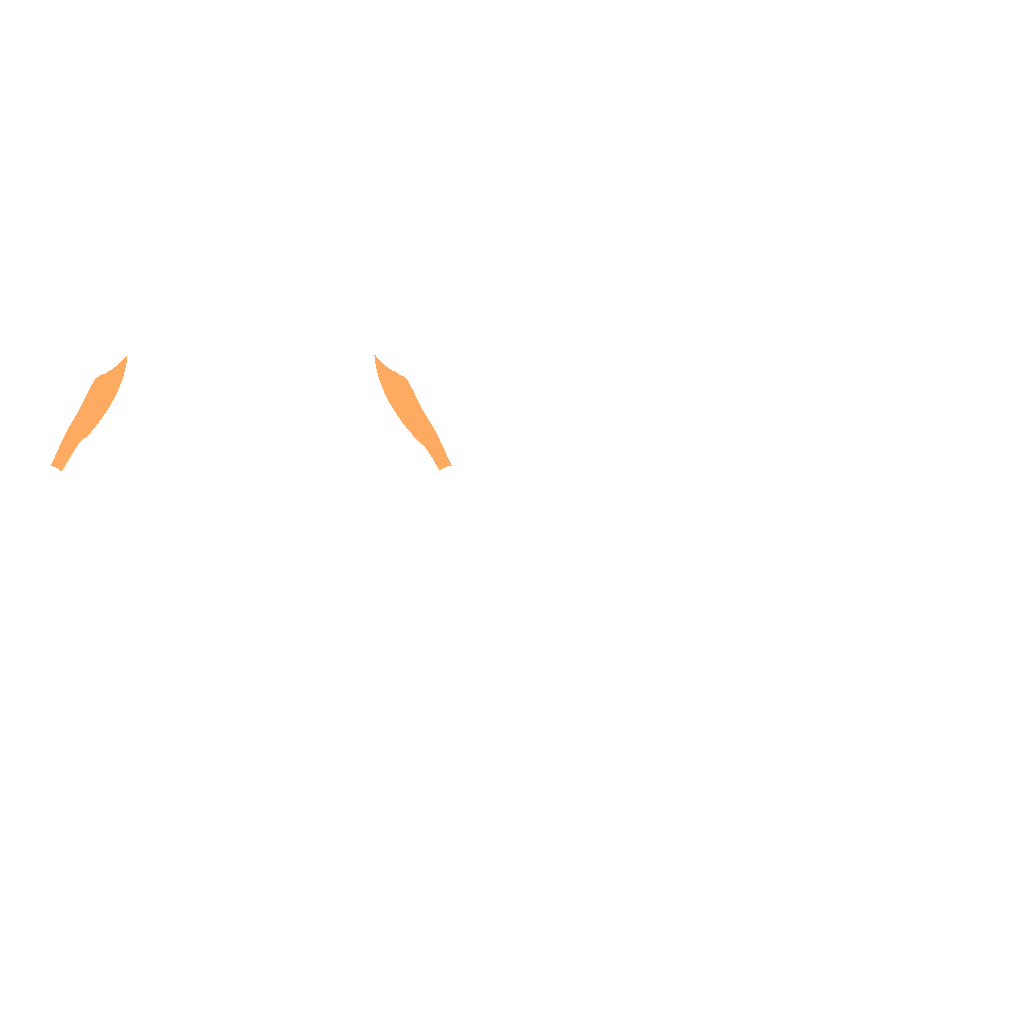
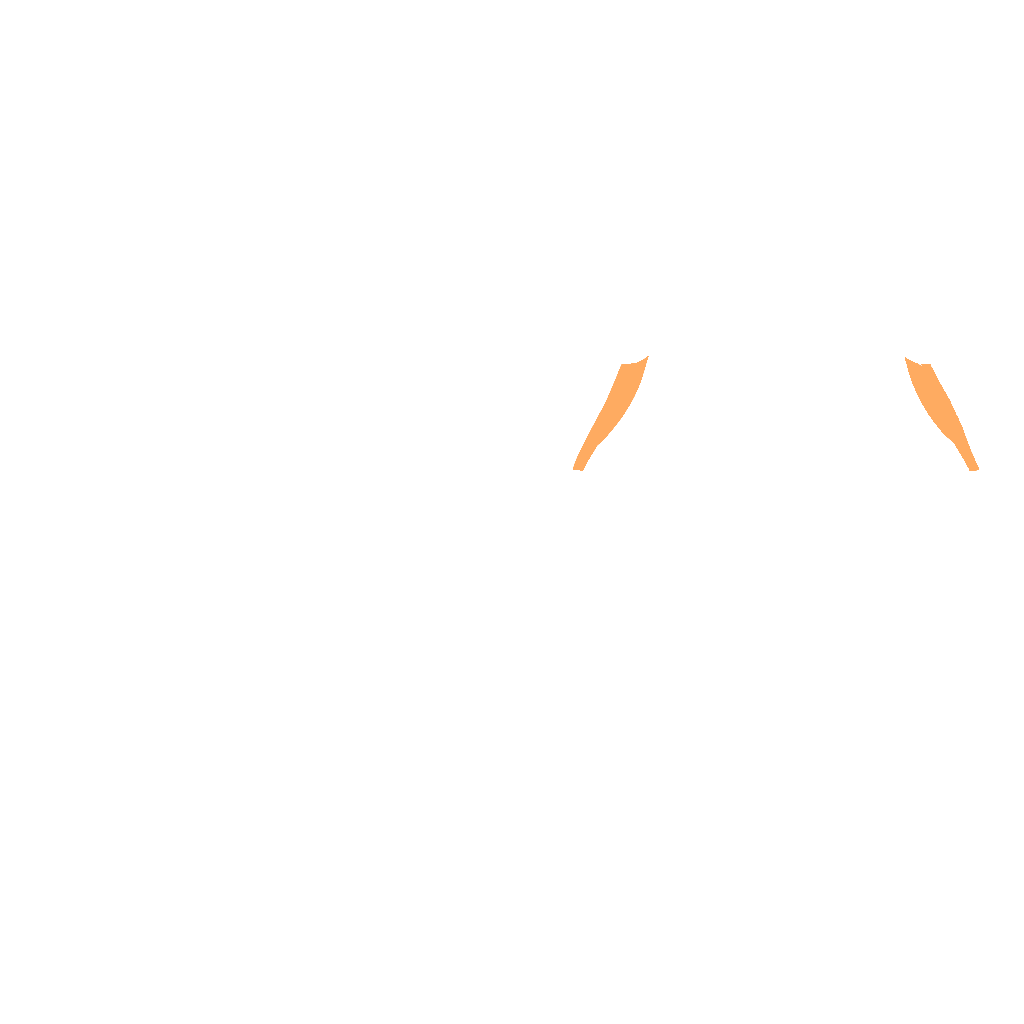



- Target
- Latissimus Dorsi
- Secondary
- Biceps Brachii Long Head, Biceps Brachii Short Head, Brachioradialis, Trapezius Lower, Trapezius Middle
- Tertiary
- Infraspinatus
How to do it
- 1
Clip a close-grip V-handle to the cable and take it with palms facing each other.
- 2
Secure your thighs under the pad and sit upright with a slight lean back.
- 3
Draw the handle down to your chest by pulling the elbows straight down past your ribs.
- 4
Squeeze the lats hard at the bottom without rounding forward.
- 5
Let the handle rise smoothly until the arms are long and the lats stretch fully.
- 6
Exhale as you pull and inhale as you return, keeping the torso steady.
Tips
- Drive the elbows down and back to get the deepest lat contraction the close grip allows.
- Keep the chest up so the bar path stays close to the body.
- Do not let the shoulders creep up toward the ears at the top of each rep.
Variations
Common mistakes
- Most people stop the handle at the chest and reverse, but the close grip is bought precisely so the elbows can carry on past the ribs, and those last few inches are the reason to use this attachment.
- Sitting a step behind the pulley leaves the cable pulling forward as well as up, so the handle drifts away from you at the top and the stretch is spent fighting the line instead of lengthening the lat.
- The final rep gets finished by arching the low back and jamming the handle into the sternum; the ribs should stay down and the pull should end where the elbows run out of travel.
- Both hands crush the handle from the first rep, and the forearms are cooked long before the lats notice; hold it firmly enough to keep the wrists straight and let the elbows set the pace.
Frequently asked
- How many sets and reps of the close-grip lat pulldown should a beginner do?
- Because the range is long and the grip is strong, this one rewards a slightly higher rep count: 3 or 4 sets of 10 to 15, with a one-second hold at the bottom of every rep. Two sessions a week is plenty. Do not add weight until that hold survives on the final rep of the final set, then take the smallest jump the stack allows. If the hold disappears by rep eight, the load is ahead of the position and the extra range you paid for is gone.
- What can I do instead of the close-grip lat pulldown at home?
- A chin-up, or a band-assisted chin-up, puts the hands close together with the elbows tracking past the ribs, and it is the nearest bodyweight match. A dumbbell pullover on a bench covers the lat's other job, pulling the arm down from overhead in front of the body, and needs one weight and somewhere to lie down. With a long band over a high anchor, kneel and pull the two ends to the sides of your chest, letting the elbows carry on past the ribs the way the V-handle does. A single-arm band pulldown gets the elbow further back still.
- What is the close-grip lat pulldown good for, and who should choose something else?
- The close V-handle lets the elbows travel further past the torso than a wide bar allows, which gives a long working range and a strong finish, and the biceps help enough that most people can load it well. That makes it a good main vertical pull for beginners and a comfortable option for anyone whose shoulders dislike wide grips. Choose something else when back width is the goal, since a wider grip biases the outer lat, and when your elbows are already sore from curling, because this grip lets the biceps take a real share of the work.
Related exercises
Other movements among FitRay's 2,000+ exercises that load the same target muscle — same equipment and level first.
- BeginnerWide-Grip Lat PulldownCables · Back · Lats
- BeginnerRope Straight-Arm PulldownCables · Rope · Back
- BeginnerCable Rope PulloverBench · Cables · Rope
- BeginnerIsometric Lat Pulldown HoldCables · Machine · Back
- BeginnerKneeling Cable PulldownCables · Back · Lats
- BeginnerNeutral-Grip Lat PulldownCables · Back · Lats