Safety-Bar Good Morning
The safety squat bar's forward-set camber and shoulder pads make the good morning more comfortable and shift a touch more load onto the posterior chain. The bar also lets lifters with limited shoulder mobility hinge under load without wrenching the arms back. It is a strong builder for the hamstrings, glutes, and spinal erectors.
- Equipment
- Barbell
- Type
- Strength
- Browse by muscle
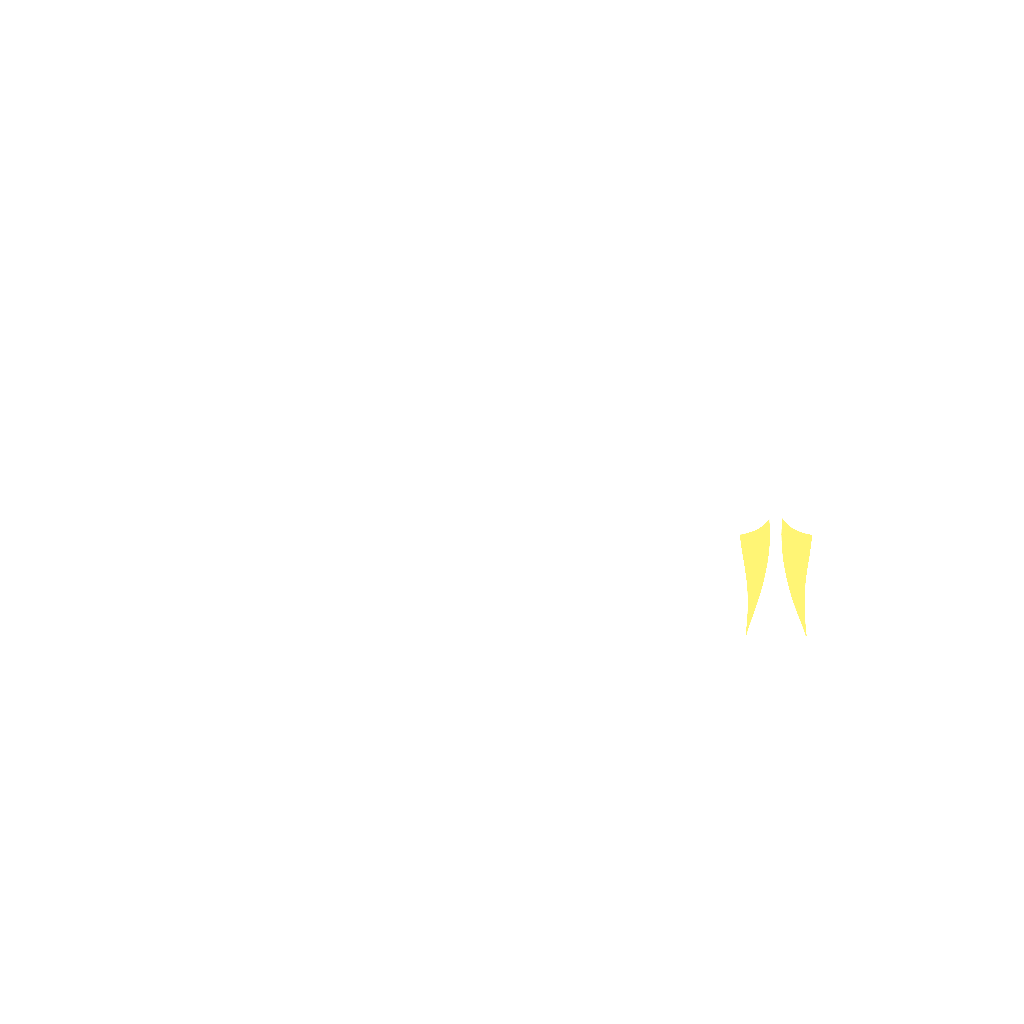
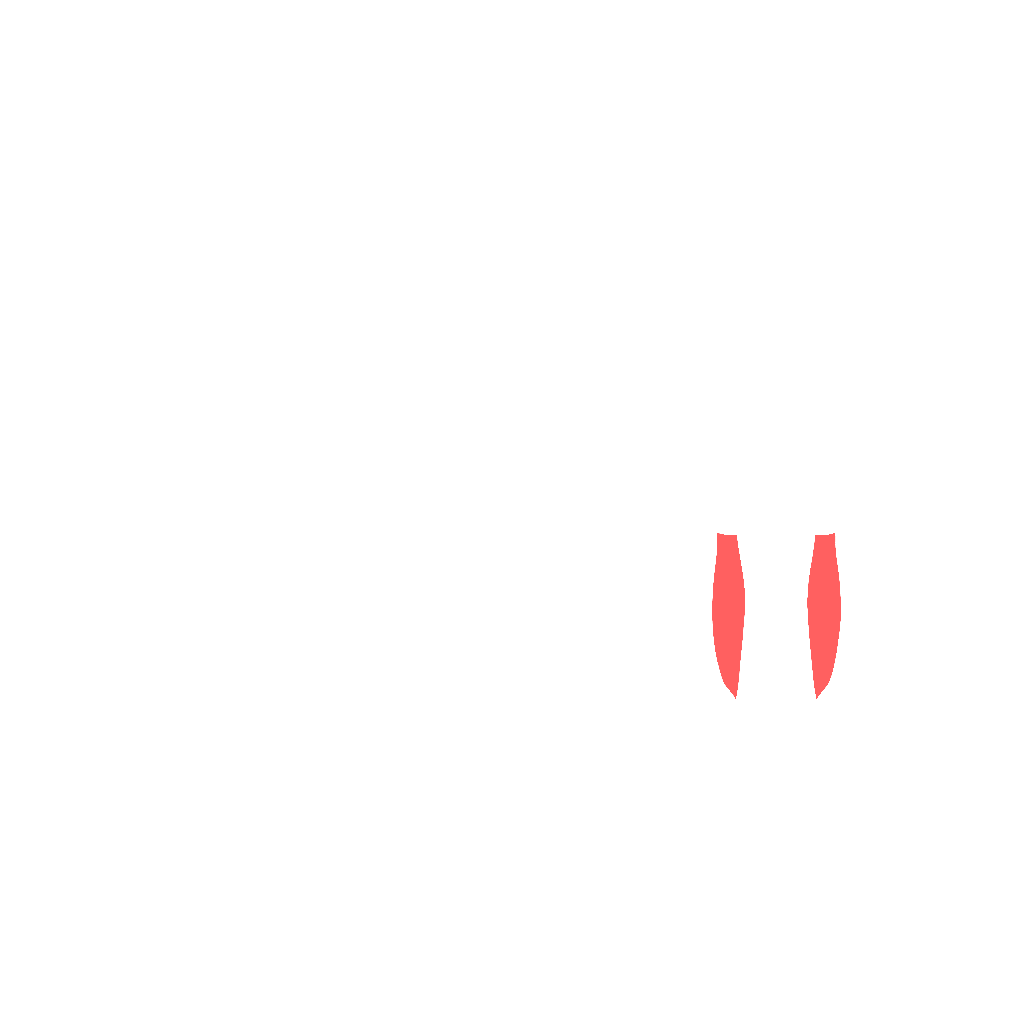
- Erector Spinae, Biceps Femoris, Semitendinosus
- Browse by movement
- Hinge





- Target
- Erector Spinae, Biceps Femoris, Semitendinosus
- Secondary
- Gluteus Maximus
- Tertiary
- Adductor Magnus
How to do it
- 1
Set the safety bar on your upper back with the pads snug and grip the front handles.
- 2
Unrack and step back with feet hip-width and knees soft.
- 3
Brace your core hard and pull your shoulders down into the pad.
- 4
Push your hips back and hinge your torso toward parallel with a flat back.
- 5
Feel the hamstring stretch, then drive your hips forward to stand tall.
- 6
Reset your brace and repeat. Inhale as you hinge, exhale as you rise.
Tips
- Keep the front handles pulled down to stop the camber from tipping you forward.
- Only hinge as low as you can hold a neutral spine.
- Brace your abs before every rep; the cambered load punishes a soft midsection.
Variations
Common mistakes
- Weight gets logged as if the bar were a standard 20 kg barbell, but most safety squat bars weigh 25 to 32 kg; count the bar itself or next week you will chase a jump you never made.
- The pads sit up on the neck instead of across the shoulders, so the yoke rocks and the load rides the cervical spine every time you bow forward.
- Unracking and taking three long steps back with a cambered bar is where most near-misses happen; take two short steps and settle the feet before the first hinge.
- Comfort at the shoulders is what makes this bar deceptive, because nothing pinches and the first sign the weight is wrong is the back rounding rather than the arms giving out.
Frequently asked
- How many sets and reps of the safety-bar good morning should you do when you are new to the exercise?
- Three sets of 6 to 8 reps works well, and the bar alone is a real starting weight once you account for its 25 to 32 kg. Add load only when all three sets finish at the same depth with the handles still pulled down. Because the camber shifts the weight forward, expect to use less than you would on a straight-bar good morning, not more.
- What can I use instead of the safety-bar good morning if my gym has no safety squat bar?
- A straight-bar good morning is the closest match, though you need enough shoulder mobility to hold the bar back, so drop the weight and widen your grip. If reaching back is the problem, a dumbbell or kettlebell Romanian deadlift removes the shoulder demand entirely and hits the same hamstrings and glutes. A cambered bar, if the gym has one, tips you forward in a similar way.
- What is the safety-bar good morning good for, and when should you pick something else?
- It suits lifters whose shoulders or elbows object to holding a straight bar behind them, and the forward camber makes the hamstrings, glutes and erectors work a little harder to stay upright. It is a poor choice if your sport uses the straight-bar position, since the handles change how you brace. Skip it too when the pads do not sit flat on your frame, because a rocking yoke under load is not something to train through.
Related exercises
Other movements among FitRay's 2,000+ exercises that load the same target muscle — same equipment and level first.
- IntermediateBarbell Romanian DeadliftBarbell · Glutes · Hamstring
- IntermediateBanded Barbell Good MorningBand · Barbell · Glutes
- IntermediateBarbell Suitcase DeadliftBarbell · Abs · Glutes
- IntermediateBlock PullBarbell · Glutes · Hamstring
- IntermediateClean PullBarbell · Glutes · Hamstring
- IntermediateDeficit Romanian DeadliftBarbell · Box · Glutes