Single-Arm Cable Row
Rowing one arm at a time on a low cable lets you row through a longer range, rotating slightly to reach a deeper stretch and a fuller contraction than a two-handed bar allows. It evens out side-to-side differences and the offset load makes your core resist rotation. The constant cable tension makes it beginner-friendly and a great choice for dialing in the mind-muscle connection with the lats.
- Equipment
- Cables
- Type
- Strength
- Browse by muscle
- Latissimus Dorsi, Trapezius Middle
- Browse by movement
- Horizontal Pull








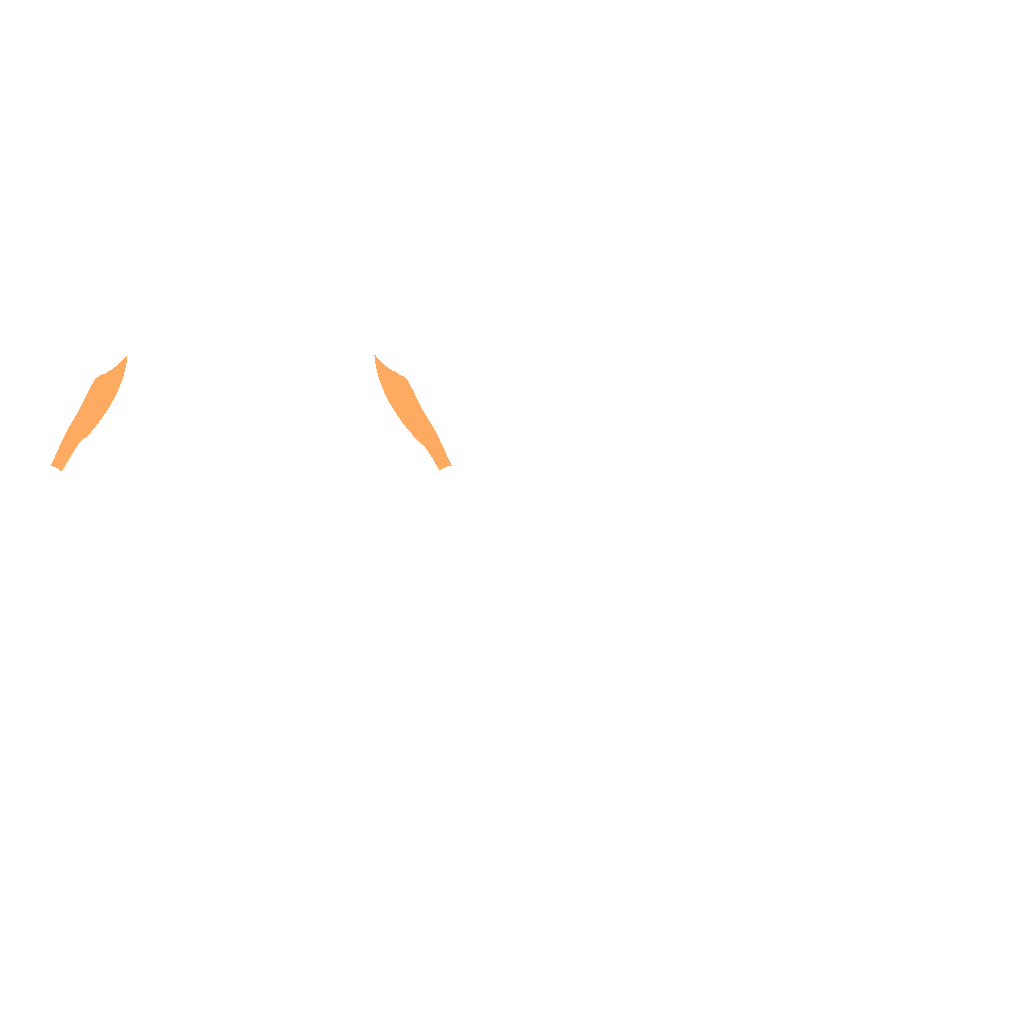
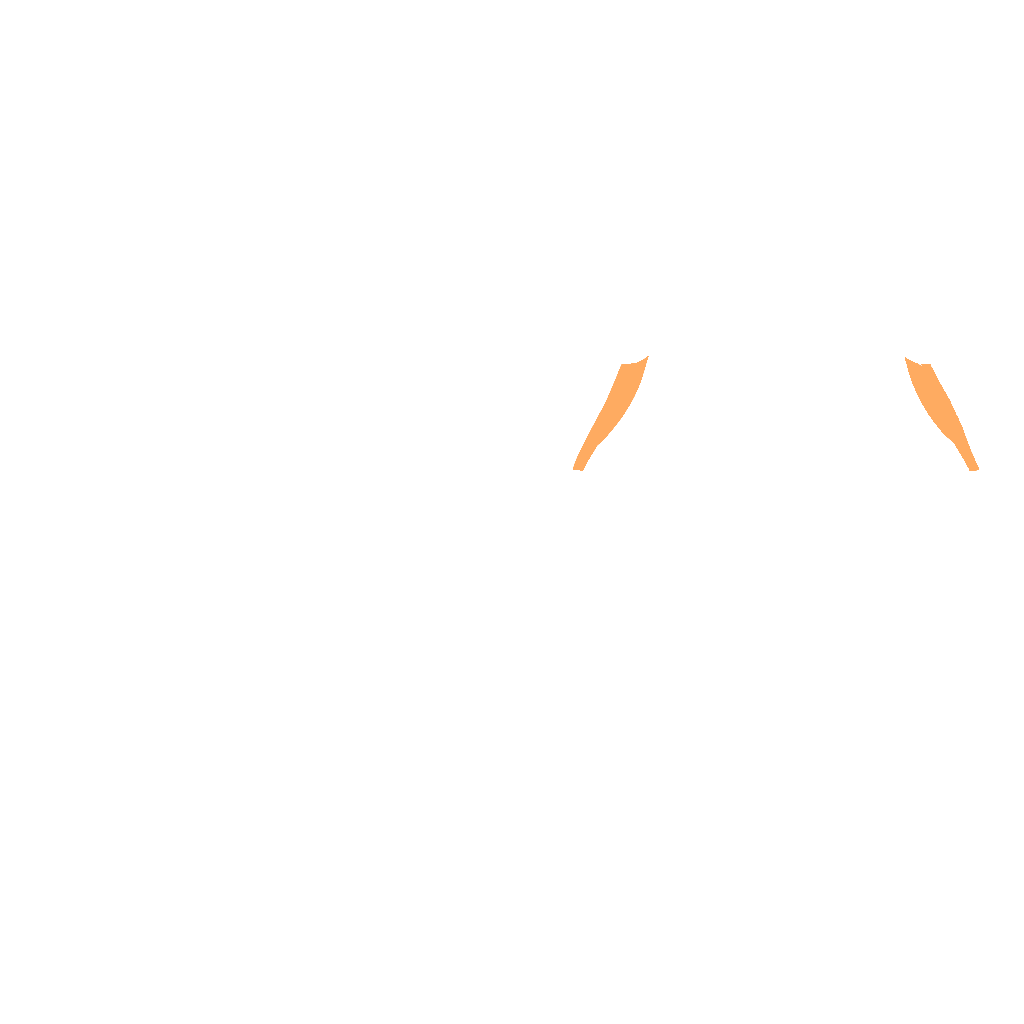


- Target
- Latissimus Dorsi, Trapezius Middle
- Secondary
- Trapezius Lower, Deltoid Posterior, Infraspinatus, Biceps Brachii Long Head, Biceps Brachii Short Head, Brachioradialis
- Tertiary
- Abdominal External Oblique
How to do it
- 1
Attach a single handle to a low pulley and sit or half-kneel facing the stack.
- 2
Grip the handle with one hand and let the cable draw your arm forward into a stretch, allowing a slight rotation.
- 3
Brace your core and pull the handle toward your lower ribs, driving your elbow back.
- 4
Rotate your torso slightly toward the working side and squeeze the lat at the back.
- 5
Return under control to a full stretch without letting the weight yank you around.
- 6
Finish all reps on one side, then switch hands.
Tips
- Let the shoulder blade travel forward at the stretch and back at the finish for a bigger range.
- Keep your lower back neutral and resist the urge to twist your hips.
- Lead with the elbow, not the hand, to keep the lat doing the pulling.
Variations
Common mistakes
- Sitting so close to the stack that the plates touch down before your elbow has finished traveling. Move back until the cable stays loaded from the stretch all the way to your ribs.
- Leaning away from the pulley to shift a heavier stack. That turns the row into a bodyweight lean, and the lat only works for the last few inches.
- Pulling the handle up toward the armpit. Bring it to your lower ribs so the elbow finishes behind you and the lat, rather than the upper back, does the pulling.
- Pressing the free hand into your thigh to help drive the pull. Rest it or let it hang, or the working side quietly gets a load it never earned.
- Letting the shoulder ride up toward the ear as the cable draws your arm forward. The shoulder blade should slide forward on the ribs while the shoulder itself stays low.
Frequently asked
- How many sets and reps of the single-arm cable row should a beginner do?
- Three sets of 10 to 12 per side. Start every set with your weaker arm and give the stronger side the same number of reps, even if it has more left; that is how a difference closes instead of widening. A slow return of about three seconds gets more out of the constant tension than extra weight does. When both sides finish 12 with a clean stretch at the bottom, move up one plate and start again on the weaker arm.
- What can I do instead of the single-arm cable row if there is no cable machine?
- A single-arm dumbbell row with one hand and knee on a bench is the classic stand-in: you lose tension at the bottom but gain a heavier load. A band anchored at waist height reproduces the constant pull at home. On a machine floor, a single-arm chest-supported row does the same job with the torso held for you.
- What is the single-arm cable row good for, and when should I pick something else?
- It is a hypertrophy and control exercise: rowing one arm at a time gives a longer range, a little torso rotation into the stretch, and a clear read on which side is weaker, while the offset load makes the trunk resist rotation. Pick something else when this is meant to be the heavy pull of your session, since one arm on a stack rarely matches what you can move with a barbell, and the constant tension makes it more of a feel exercise than a strength one.
Related exercises
Other movements among FitRay's 2,000+ exercises that load the same target muscle — same equipment and level first.
- BeginnerSeated Cable RowCables · Machine · Back
- BeginnerFace PullCables · Back · Shoulder
- BeginnerRope Seated Cable RowCables · Back · Traps
- BeginnerScapular Retraction Isometric HoldBand · Cables · Back
- BeginnerSingle-Arm Cable Bench RowBench · Cables · Back
- BeginnerStanding Two-Arm Cable RowCables · Back · Lats