Single-Leg Front-to-Back Line Hop
Balancing on one foot, you hop quickly over a line on the floor, forward and back, keeping ground contacts short and springy. It builds ankle and calf stiffness, single-leg reactive strength, and the joint control that protects the ankle and knee. It is a low-amplitude drill, so it fits foundational plyometric work and return-to-running progressions.
- Equipment
- Body Weight
- Type
- Plyometric
- Browse by muscle
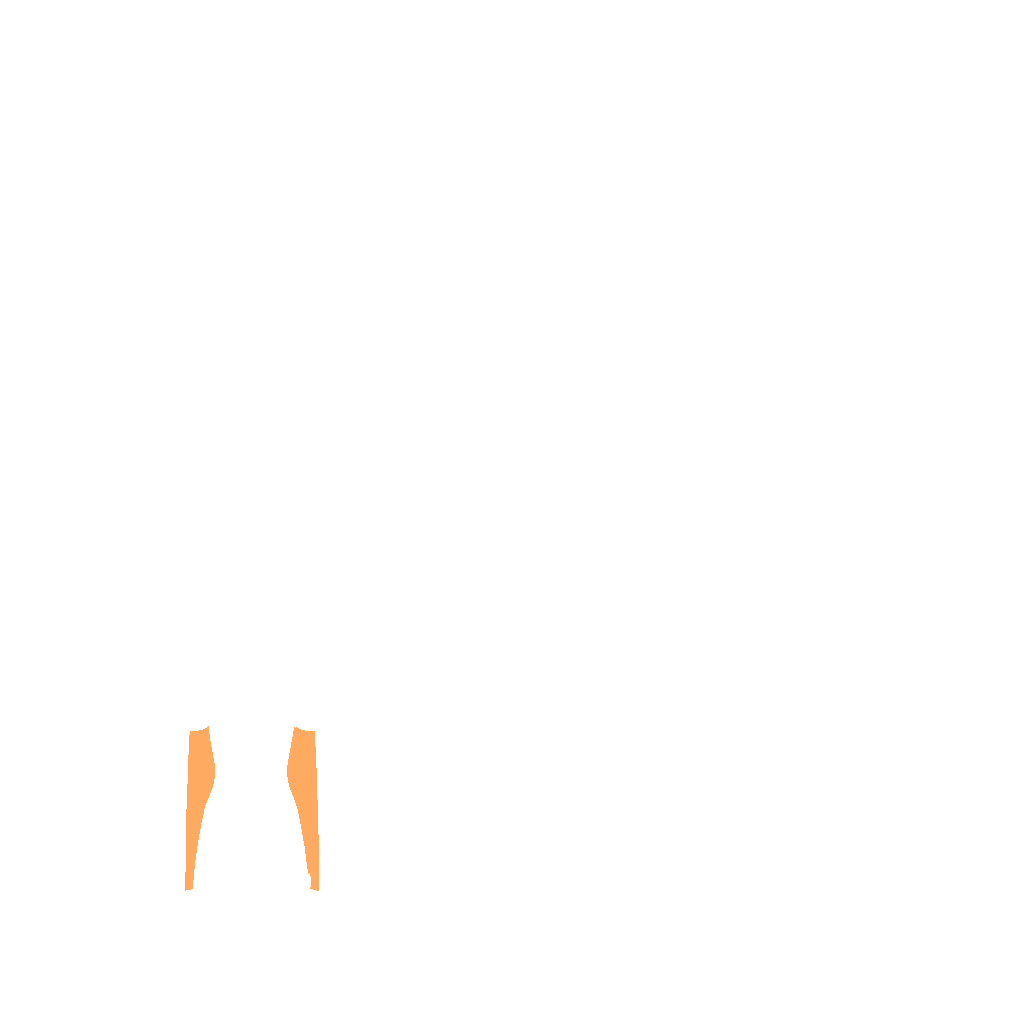
- Gastrocnemius Lateral Head, Gastrocnemius Medial Head, Rectus Femoris
- Browse by movement
- Gait Drill









- Target
- Gastrocnemius Lateral Head, Gastrocnemius Medial Head, Rectus Femoris
- Secondary
- Soleus Gastrocnemius, Vastus Lateralis, Gluteus Maximus
- Tertiary
- Gluteus Medius, Tibialis Anterior
How to do it
- 1
Stand on one foot just behind a line taped or drawn on the floor.
- 2
Hop forward over the line, landing softly on the ball of the same foot.
- 3
Immediately hop back behind the line, keeping the contact quick and light.
- 4
Stay tall with a slightly bent knee and the hip and ankle stacked.
- 5
Keep a steady, bouncy rhythm for the prescribed reps or time.
- 6
Switch to the other leg and repeat.
Tips
- Spend as little time on the ground as possible; think hot floor.
- Keep the hop small and controlled rather than reaching across the line.
- Hold the knee steady over the toes and resist any inward collapse.
Variations
Common mistakes
- The hips rotate or lean toward the landing foot instead of staying stacked over the base, so the free leg swings out to the side for balance.
- The free leg swings loosely instead of staying tucked and controlled, throwing off the rhythm every time it drifts wide.
- Some lifters pause to reset balance after every hop instead of keeping the bounce continuous, which turns a plyometric drill into a series of static balance checks.
- Once the working leg tires, the ankle softens and the whole hop shifts to the knee and hip, losing the calf spring the drill is meant to build.
- Switching legs after an uneven number of reps means one side quietly gets more practice than the other.
Frequently asked
- How many reps of the Single-Leg Front-to-Back Line Hop should you do when you are new to the exercise?
- Do 2 to 3 sets of 8 to 10 hops per leg, resting long enough between sets that ground contacts stay quick and light rather than heavy. Once the rhythm feels automatic and the knee stays steady over the toes, add a third set or extend the time per side before adding speed.
- What can I use instead of a taped line for the Single-Leg Front-to-Back Line Hop?
- Any thin, flat marker works: a piece of string, a yardstick, or even a crack in the pavement or a floorboard seam. If you have nothing to mark with at all, picture a line and hop the same short distance forward and back — the exact marker matters far less than keeping the hop small and the contact quick.
- What is the Single-Leg Front-to-Back Line Hop good for?
- It builds ankle and calf stiffness and single-leg control useful for runners and jump-sport athletes, and it works well in return-to-running progressions after a lower-leg injury. It adds little if you are chasing raw jump height or distance, since the amplitude here is deliberately small.
Related exercises
Other movements among FitRay's 2,000+ exercises that load the same target muscle — same equipment and level first.
- Intermediate5-10-5 Pro Agility ShuttleBody Weight · Glutes · Quads
- Intermediate300-Yard ShuttleBody Weight · Hamstring · Quads
- IntermediateA-SkipBody Weight · Calves · Quads
- IntermediateB-MarchBody Weight · Hamstring · Quads
- IntermediateB-SkipBody Weight · Hamstring · Quads
- IntermediateCariocaBody Weight · Glutes · Thighs