Single-Leg Pogo Hop
The single-leg pogo keeps the knee and hip nearly rigid so the bounce comes almost entirely from the ankle acting like a stiff spring. It hammers the calf complex and trains the fast, elastic ground contacts that underpin sprinting and jumping. Balancing on one leg adds a stability demand the two-foot version lacks. Keep the amplitude modest and the rhythm crisp.
- Equipment
- Body Weight
- Body part
- Calves
- Type
- Plyometric
- Browse by muscle
- Gastrocnemius Lateral Head, Gastrocnemius Medial Head, Soleus Gastrocnemius
- Browse by movement
- Gait Drill









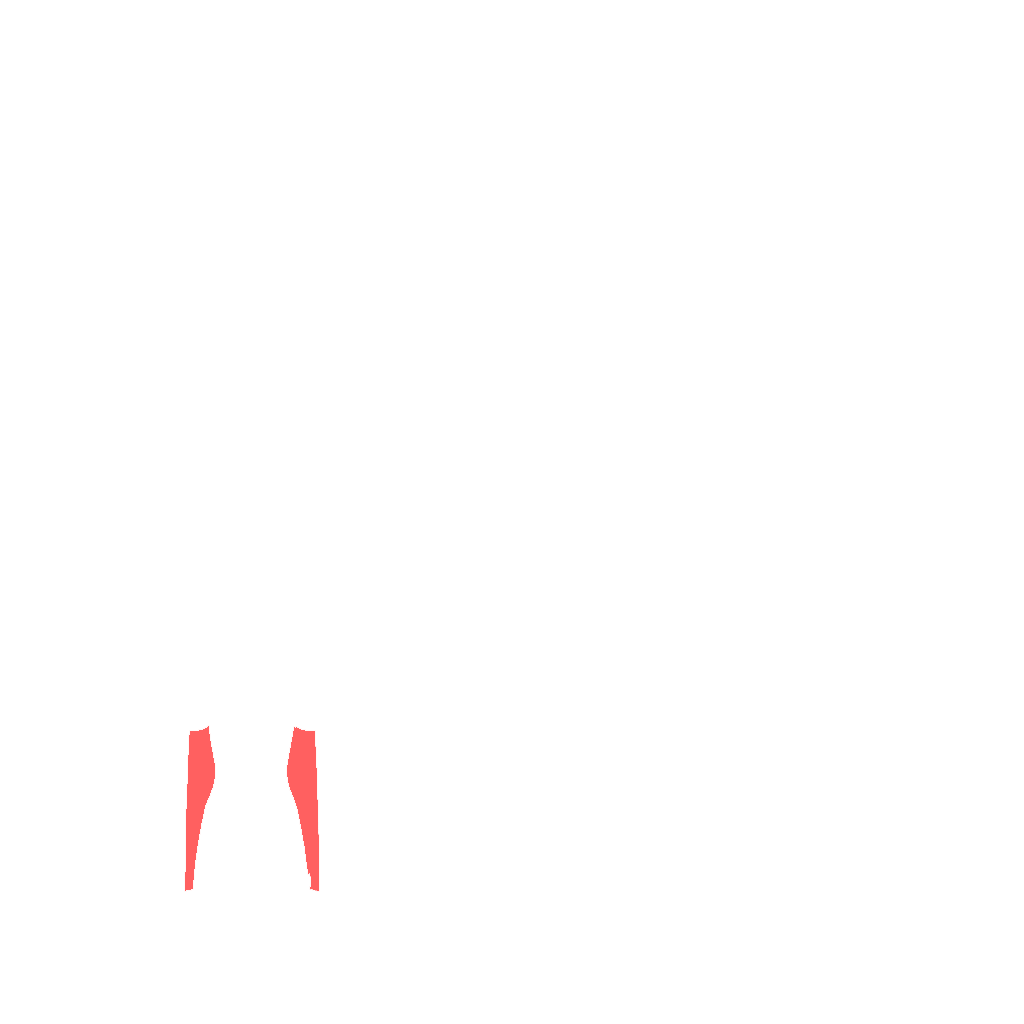
- Target
- Gastrocnemius Lateral Head, Gastrocnemius Medial Head, Soleus Gastrocnemius
- Secondary
- Rectus Femoris, Vastus Lateralis, Tibialis Anterior
- Tertiary
- Fibularis Longus, Gluteus Medius
How to do it
- 1
Balance on one foot with the knee and hip long but soft.
- 2
Bounce straight up off the ball of the foot, driving through the ankle.
- 3
Keep the toes pulled up before contact and snap them down as you leave the ground.
- 4
Land on the same spot on the ball of the foot and rebound immediately.
- 5
Keep the trunk tall and the arms assisting a steady rhythm.
- 6
Continue for the prescribed reps or time, then switch legs.
Tips
- Stay stiff through the knee; bending it turns this into a squat hop.
- Minimize ground time and let the ankle do the work like a spring.
- Keep the landings quiet and directly under the hip to hold your balance.
Variations
Common mistakes
- The toes are not pulled up before contact, so the foot lands floppy and the calf has to catch the weight rather than meet the floor already tight. Set the toes up on the way down.
- The hopping foot wanders around the floor over a set instead of returning to the same spot, which means the push is going sideways; put a piece of tape down and land on it every time.
- A small scoop of the pelvis starts supplying the lift as the calf tires, so the hip does the hopping and the ankle coasts.
- Contact counts get copied straight from the two-foot version, and one leg is now taking close to double the load per hop. Halve the number you would do on two feet.
- If most of the set goes into not toppling over, nothing useful reaches the calf. Rest two fingers on a wall or rail until the bounce runs by itself, then let go.
Frequently asked
- How many single-leg pogo hops should you do per leg when you are new to the exercise?
- Start with 3 to 4 sets of 8 to 12 contacts per leg, resting 45 seconds between legs so the second side is not working on a tired system. The set is over when a landing lands flat or off the mark, not when you reach the number. Before loading it, you should manage 20 seconds of two-foot ankle hops with quiet contacts and stand on one leg for 30 seconds without hunting for balance. Add contacts first, then speed, and leave height out of it.
- How do I make the single-leg pogo hop easier or harder?
- Easier: let the other toe touch the floor lightly as a training wheel, or bounce on two feet while keeping most of the weight on one side. Harder: add a little travel forward or sideways between contacts, bounce along a firm line so the landing has to be accurate, or chain sets without putting the foot down between them. A weight vest is the last step, and only once 20 clean contacts a leg are routine.
- What is the single-leg pogo hop good for, and when should I leave it out?
- It loads one calf and Achilles with the fast elastic contacts that sprinting and single-leg jumping are made of, and it quietly tells you which side is springing and which side is absorbing. Sprinters, jumpers and court athletes get the most from it. Leave it out while an Achilles or the sole of the foot is sore, since one leg meets the full load on every contact, and leave it out as conditioning: long sets turn it into a slow hop that trains none of the qualities it exists for.
Related exercises
Other movements among FitRay's 2,000+ exercises that load the same target muscle — same equipment and level first.
- IntermediateA-SkipBody Weight · Calves · Quads
- IntermediateB-SkipBody Weight · Hamstring · Quads
- IntermediateSingle-Leg Front-to-Back Line HopBody Weight · Calves · Quads
- IntermediateSingle-Leg Side-to-Side Line HopBody Weight · Calves · Quads
- IntermediateSkip for HeightBody Weight · Calves · Glutes
- IntermediateStraight-Leg SkipBody Weight · Calves · Hamstring