Sled Crossover Drag
Moving sideways while dragging a sled and crossing one foot over the other trains the frontal-plane hip muscles that most lifting ignores, building glute-medius strength and adductor control. It carries over strongly to skating, cutting, and change-of-direction sports. Keep the hips level and the steps deliberate so both hips share the work.
- Equipment
- Sled
- Type
- Cardio, Functional
- Browse by muscle
- Gluteus Medius, Adductor Longus, Gluteus Maximus
- Browse by movement
- Carry







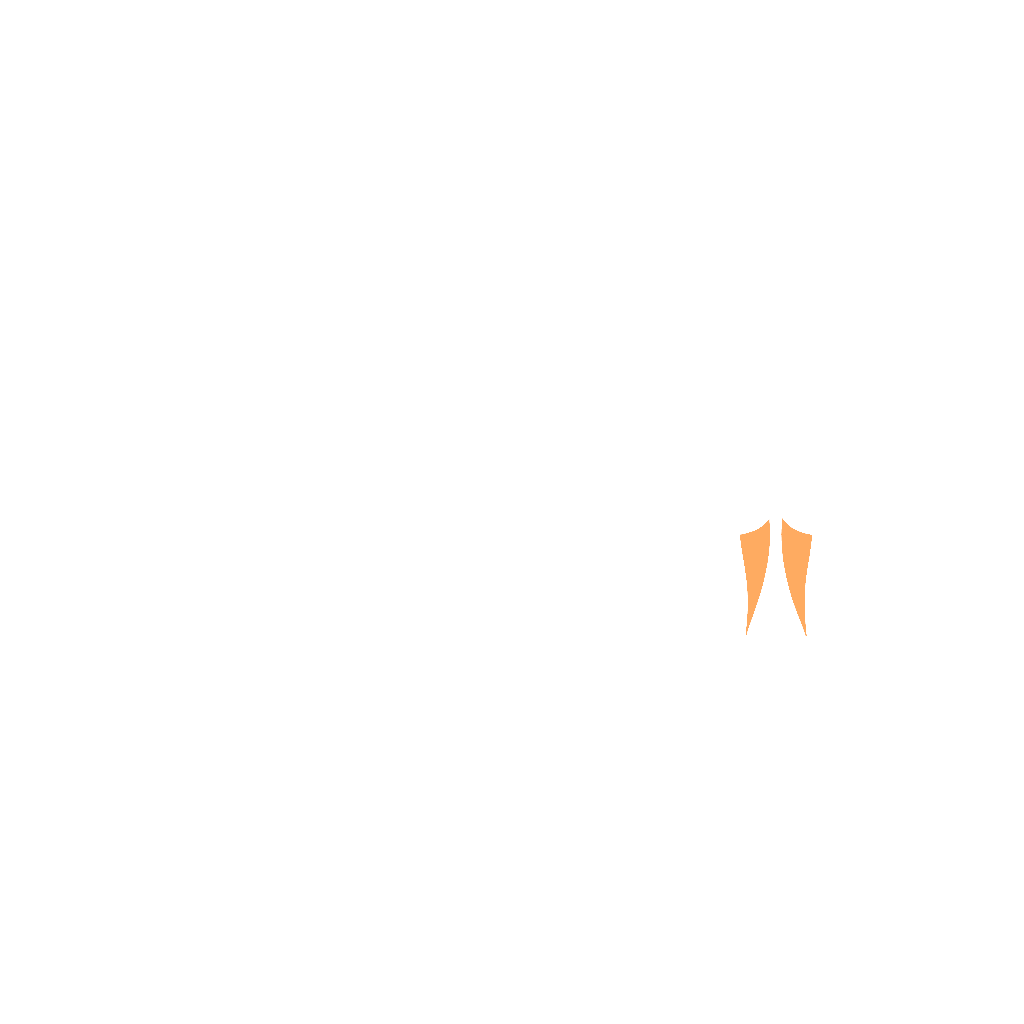
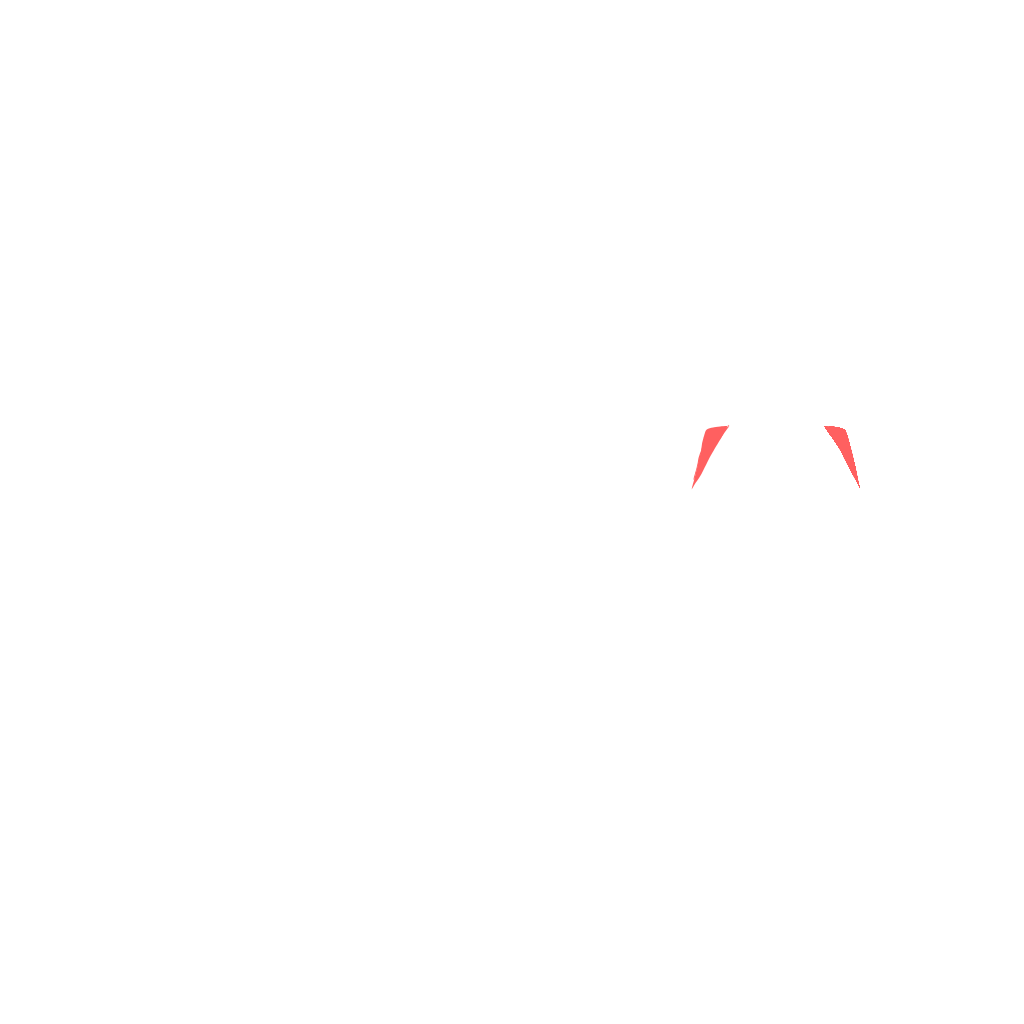
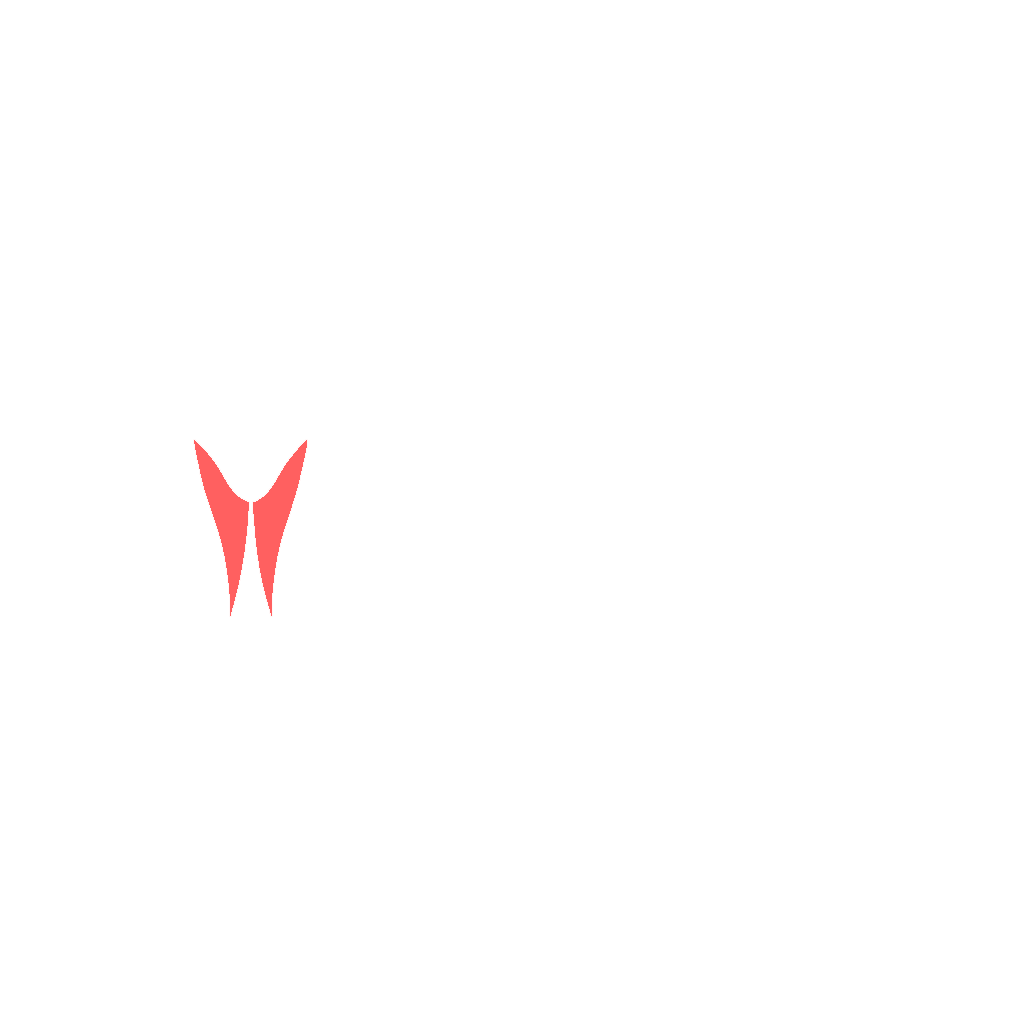

- Target
- Gluteus Medius, Adductor Longus, Gluteus Maximus
- Secondary
- Vastus Lateralis, Rectus Femoris, Adductor Magnus
- Tertiary
- Gastrocnemius Lateral Head, Fibularis Longus, Erector Spinae
How to do it
- 1
Attach a harness or hold a strap and stand side-on to the sled with tension on the line.
- 2
Set an athletic stance with soft knees and a braced core.
- 3
Step the trail leg across the front of the lead leg to advance sideways.
- 4
Step the lead leg out to reopen your stance and pull the sled along.
- 5
Continue the crossover-step pattern for the prescribed distance, then repeat facing the other way.
- 6
Breathe steadily and keep your shoulders square over your hips.
Tips
- Keep your hips level and avoid bobbing up and down as you step.
- Drive off the outside leg to load the glute medius on each stride.
- Face the opposite direction for the return trip so both hips get equal work.
Variations
Common mistakes
- The hips bob up and down with each crossover step instead of staying level, turning a smooth lateral drag into a bouncing one.
- The shoulders twist ahead of the hips during the crossover instead of staying square, letting the upper body lead a step that should come from the legs.
- Only one direction gets trained in a session instead of switching sides for the return trip, leaving one hip permanently more worked than the other.
- The steps shorten into a tiny shuffle as the sled gets heavier, instead of a full, deliberate crossover, cutting the range the outside leg works through.
- The trailing leg drags instead of stepping cleanly across the front of the lead leg, catching on the floor and breaking the rhythm of the drag.
- Leaning the torso toward the sled to help pull it shifts the load off the hips and legs and onto the lower back instead.
Frequently asked
- How far should you do the sled crossover drag for when you are new to the exercise?
- Start with 3 to 4 sets of 10 to 15 meters per direction at a light sled load, resting long enough that the hips stay level for the whole distance. Add distance before adding weight, and always match the same distance facing the other way.
- What can I use instead of a sled for the crossover drag?
- A resistance band anchored to something sturdy at your side, on the side you are moving away from, and walked the same crossover pattern trains the identical hip and adductor demand. Without any equipment, a lateral crossover step alone, focused on driving off the outside leg, still builds the same frontal-plane hip pattern.
- What is the sled crossover drag good for, and when should I skip it?
- Moving sideways while dragging a sled trains the frontal-plane hip muscles most lifting ignores, building glute medius strength and adductor control that carries over to skating and cutting sports. Skip it, or lighten the load, if your hip or groin is already irritated, since the crossing step adds real strain through the adductors.
Related exercises
Other movements among FitRay's 2,000+ exercises that load the same target muscle — same equipment and level first.
- IntermediateSled PushSled · Glutes · Quads
- IntermediateSled SprintSled · Glutes · Quads
- BeginnerSled Forward DragSled · Glutes · Quads
- IntermediateKettlebell Racked Carry-to-Squat FlowKettlebells · Glutes · Quads
- AdvancedBarbell Overhead Walking LungeBarbell · Quads · Shoulder
- BeginnerRuckingWeighted Vest · Glutes · Quads