Sled Sprint
The sled sprint loads a sled light enough to move fast and then runs it as hard as possible, exaggerating the forward lean and powerful leg extension of true acceleration. Because there is no braking phase, it delivers high force and speed work with far less soreness than downhill or open-field sprinting. Athletes use it to build acceleration and drive, while general trainees get a savage, low-impact power-and-conditioning stimulus.
- Equipment
- Sled
- Type
- Cardio, Functional
- Browse by muscle
- Rectus Femoris, Vastus Lateralis, Gluteus Maximus
- Browse by movement
- Carry, Gait Drill









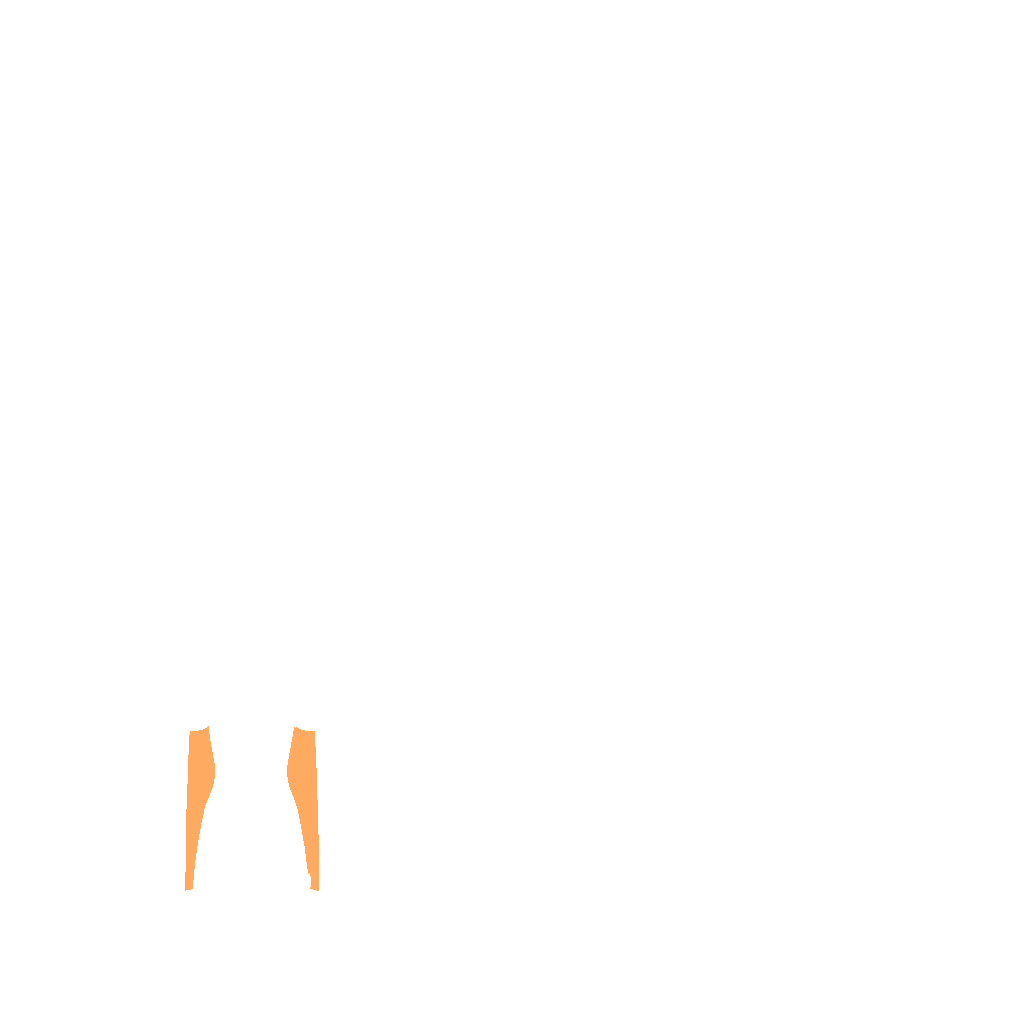



- Target
- Rectus Femoris, Vastus Lateralis, Gluteus Maximus
- Secondary
- Biceps Femoris, Semitendinosus, Gastrocnemius Medial Head, Gastrocnemius Lateral Head, Soleus Gastrocnemius
- Tertiary
- Erector Spinae, Deltoid Anterior, Tibialis Anterior
How to do it
- 1
Load the sled light enough that you can still move it explosively.
- 2
Grip the posts or clip into a harness and set a strong forward lean.
- 3
Brace the core and load the driving leg like the start of a sprint.
- 4
Explode forward with powerful, full-extension strides and hard arm action.
- 5
Stay low through the first steps, then run tall as the sled picks up speed.
- 6
Sprint the set distance at full effort, then rest fully before the next run.
Tips
- Keep the load light; if you cannot accelerate, it becomes a grind rather than a sprint.
- Drive each leg into full extension and punch the arms to stay fast.
- Rest long between runs so every sprint stays near top speed and power.
Variations
Common mistakes
- The torso stands up straight from the first step instead of staying low, so the harness fights an upright body instead of a driving one.
- Gripping the posts so hard that the shoulders tense up wastes energy that should be going into the legs pushing the ground.
- The stride turns short and choppy instead of driving all the way through the hip, trading real power for a turnover rate that only looks fast.
- Straightening up too soon after the first few steps abandons the forward lean before the sled has actually built any speed.
- The eyes drop to watch the sled instead of staying fixed ahead, which rounds the upper back and shortens the stride.
Frequently asked
- What is a good starting dose for sled sprints?
- Start with 4 to 5 pushes of 15 to 20 meters using a load light enough that your speed barely drops from an unloaded sprint. Once you can hold that speed for all the pushes, add a small amount of weight before adding another rep.
- What can I use instead of a sled for sled sprints?
- A resistance band around the waist with a partner holding the other end recreates a similar resisted lean and drive. Without either, hill sprints give a comparable forward-lean, high-force stimulus using only a slope.
- What are sled sprints good for, and when are they a poor choice?
- They build acceleration and drive with far less pounding than flat-ground sprinting, since there is no free-falling impact phase to absorb. They are a poor choice when the goal is true top-end speed specifically, since the sled's resistance caps how fast you can actually move.
Related exercises
Other movements among FitRay's 2,000+ exercises that load the same target muscle — same equipment and level first.