Snatch-Grip Deadlift
Widening the hands to a snatch grip drops the hips and lengthens the pull, much like a deficit, while forcing the traps and lats to work overtime to hold the bar. It builds a powerful back and a strong bottom position that carries over to Olympic pulls and heavy conventional lifting. The demanding grip and range make it an advanced accessory best kept at moderate loads.
- Equipment
- Barbell
- Type
- Strength
- Browse by muscle
- Gluteus Maximus, Biceps Femoris, Semitendinosus, Erector Spinae
- Browse by movement
- Hinge




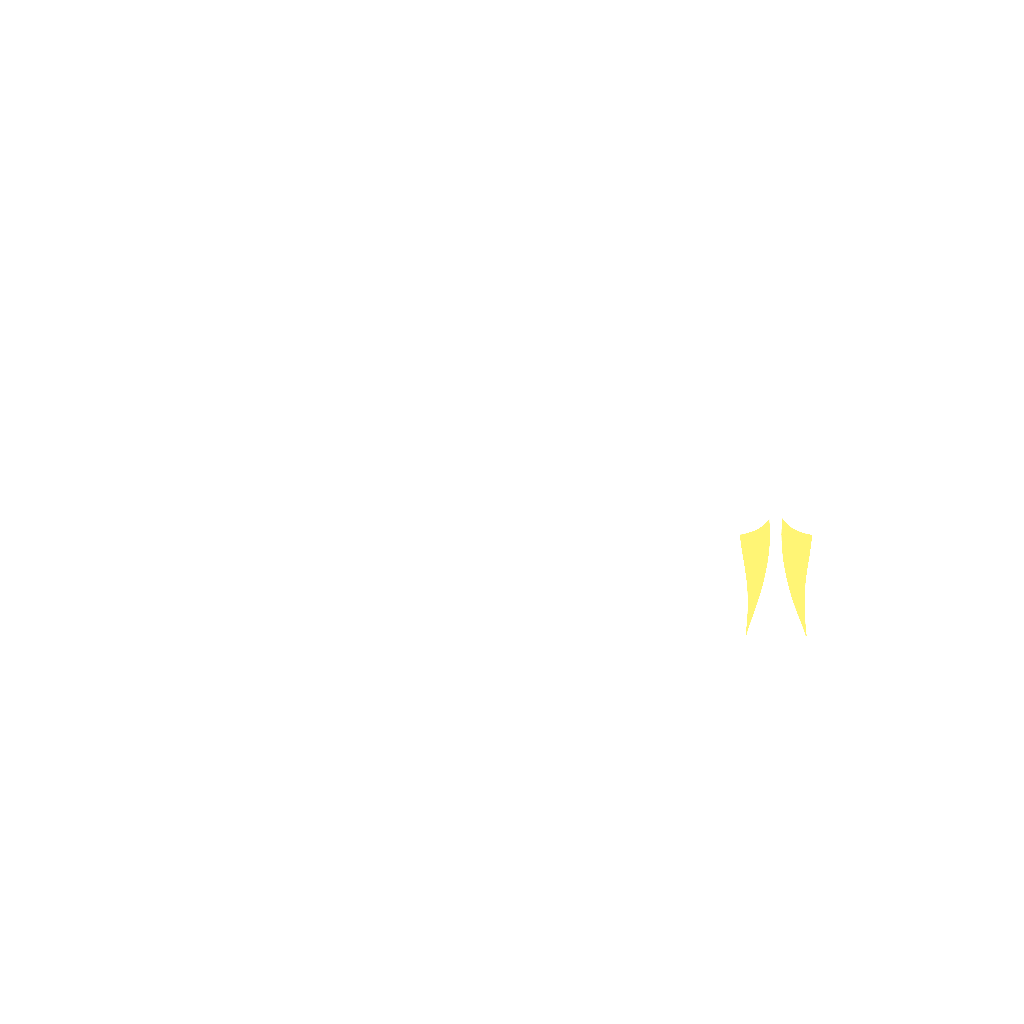



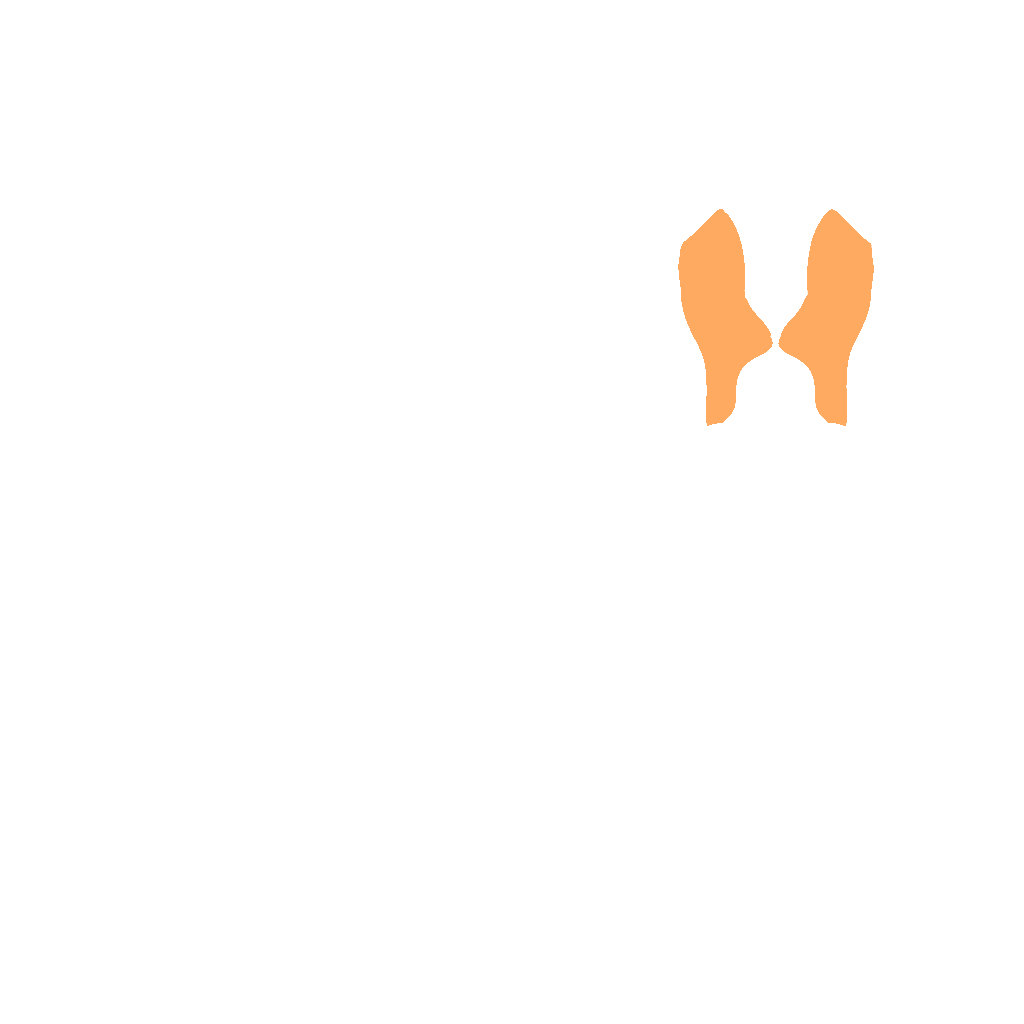





- Target
- Gluteus Maximus, Biceps Femoris, Semitendinosus, Erector Spinae
- Secondary
- Trapezius Upper, Trapezius Middle, Latissimus Dorsi, Vastus Lateralis
- Tertiary
- Rectus Femoris, Trapezius Lower, Adductor Magnus
How to do it
- 1
Set a wide grip near the outer rings of the bar and stand with feet hip-width.
- 2
Hinge down until your shins meet the bar and your hips sit low.
- 3
Flatten your back, brace hard, and pull the slack out of the bar.
- 4
Push through the floor and keep the bar tight to your legs as it rises.
- 5
Lock out tall by driving the hips through and squeezing the glutes.
- 6
Reverse the hinge and lower the bar under control to the floor.
Tips
- Hook grip or straps help, since the wide hold taxes grip before the legs.
- Keep the lats tight to hold the bar close through the long pull.
- Expect to use less weight than a standard deadlift; prioritize position.
Variations
Common mistakes
- The hips shoot up faster than the shoulders at the start of the pull, since the wider grip drops the hips lower and makes it easy to straighten the legs before the bar even leaves the floor.
- The bar drifts forward away from the shins on the way up, a bigger problem here than on a conventional pull since the wider grip already stretches the arms and back further.
- Rounding the upper back to compensate for the extra torso lean the low hip position creates undoes the tightness the long pull depends on from the first inch.
- The lockout finishes with the shoulders shrugged up around the ears instead of pulled back and down, leaving the traps to finish a rep the hips and glutes should complete.
Frequently asked
- What is a sensible starting weight for the snatch-grip deadlift, and what should you be comfortable with first?
- Start noticeably lighter than your conventional deadlift, often 70 to 80 percent of that weight, for 3 sets of 5 reps, since the wider grip and lower hip position change the leverage completely. You should already pull a conventional or sumo deadlift with a flat back and full lockout before adding this variation, since the deeper start position demands more hip and back mobility. Add weight slowly and let grip strength, not the legs, set the pace at first.
- What can replace the snatch-grip deadlift without a barbell?
- A trap bar deadlift from the low handles, standing on a small plate, gives a similar deep hip position with an easier bar path. Two heavy kettlebells or dumbbells set wide on the floor, pulled with a hip hinge, reproduce the deep start position without needing a full barbell setup.
- Who is the snatch-grip deadlift for, and who should avoid it?
- It builds a strong back and a powerful bottom position that carries over to Olympic lifting and heavy conventional pulling, suited to lifters who already deadlift well. It's a poor choice for anyone with limited hip or shoulder mobility, since the wide grip and low hip start ask for more range than a standard deadlift.
Related exercises
Other movements among FitRay's 2,000+ exercises that load the same target muscle — same equipment and level first.