Standing Intercostal Side-Body Stretch
The side body between the hip and the armpit gets compressed by sitting and rarely gets opened up. Reaching overhead and bending sideways lengthens the ribs, the obliques, and the lat, and it helps you breathe deeper into the ribcage. Use it as a mid-day reset or a warm-up before overhead work.
- Equipment
- Body Weight
- Body part
- Abs
- Type
- Stretching
- Browse by muscle
- Abdominal External Oblique


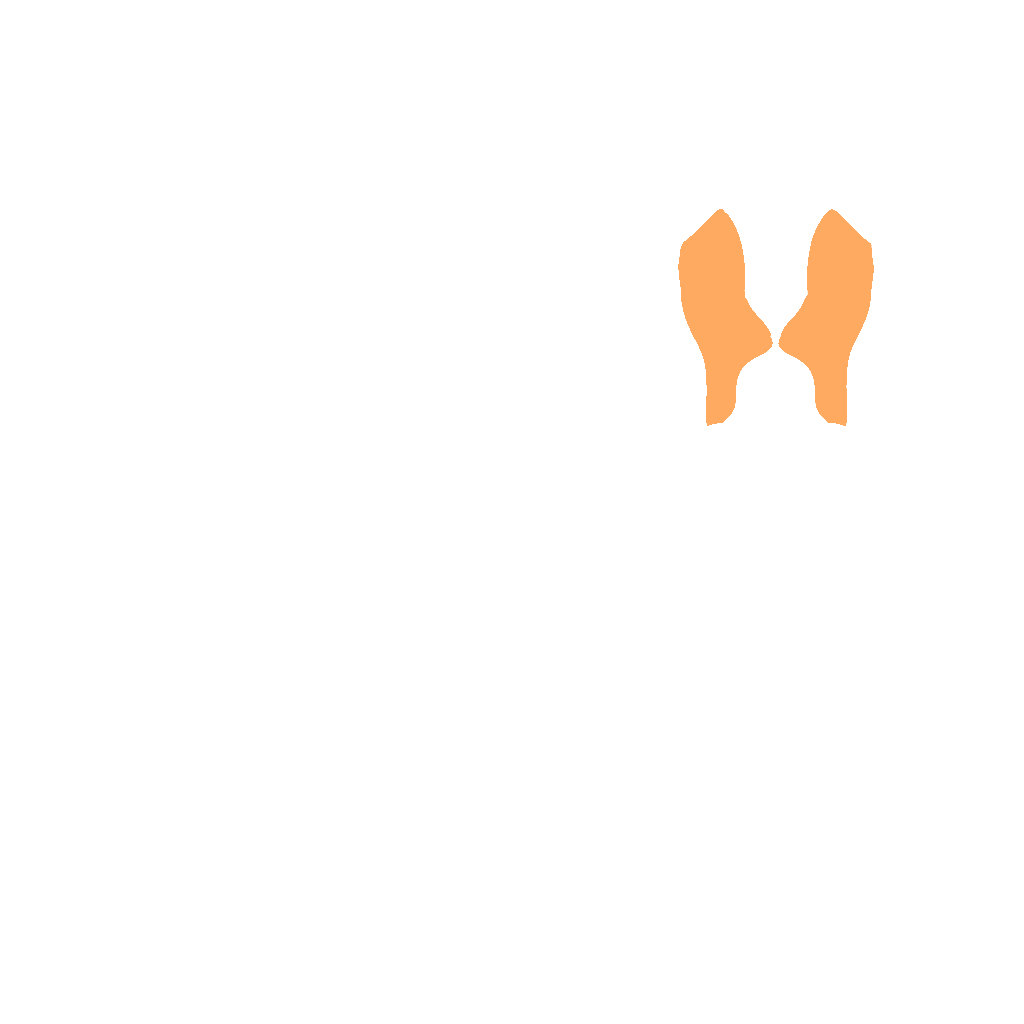

- Target
- Abdominal External Oblique
- Secondary
- Latissimus Dorsi
How to do it
- 1
Stand tall with feet about hip-width apart.
- 2
Reach one arm overhead with the palm facing in and let the other hand rest on your hip.
- 3
Keeping both feet planted, bend gently to the opposite side, reaching the top hand up and over.
- 4
Feel the stretch open along the ribs and side of the torso and hold for 20 to 30 seconds.
- 5
Return to standing tall and repeat on the other side.
Tips
- Reach long through the top arm rather than just folding sideways.
- Keep both feet grounded and hips level so the stretch stays in the side body.
- Breathe into the stretched ribs to open the intercostals further with each exhale.
Variations
Common mistakes
- One knee quietly bends as the torso leans, which drops that hip and lets the legs absorb the bend the ribs were supposed to make.
- If the raised arm cannot get overhead without the front ribs flaring forward, the stretch starts from a compromised position; take that arm to a diagonal instead and keep the ribs stacked over the pelvis.
- A pull across the top of the shoulder or up into the neck means the upper trap is doing the reaching; lower the arm a few inches and grow tall again before bending.
- Most of the curve ends up between the bottom ribs and the hip while the upper ribs stay shut; picture lifting the armpit away from the hip as you go over.
- The stretch gets slotted in right before a heavy overhead set, and a long side-body hold leaves the shoulder feeling loose rather than ready; put it early in the session and press after some light sets.
Frequently asked
- How long should you hold the standing intercostal side-body stretch?
- Twenty to thirty seconds per side, two rounds each way, which comes to about two minutes. It works as a break from sitting and as an early piece of preparation before overhead pressing, snatches, or swimming. Rather than chasing a deeper lean over the weeks, spend the hold reaching taller through the top arm; most people find another inch of length upward before they find one sideways. If one side feels noticeably shorter, give it the extra round.
- How do you make the standing intercostal side-body stretch easier or harder?
- Easier: leave the lower hand resting on the thigh, take the top arm to a diagonal rather than straight overhead, and hold for 15 seconds. Harder: bring the feet together so the base narrows, or do it half-kneeling, which pins the pelvis and forces the ribs to supply the movement. Sitting on a bench with both sitting bones level does the same thing more quietly. Holding a light band underfoot in the top hand adds a gentle pull without tempting you to bend further.
- What is the standing intercostal side-body stretch good for?
- It opens the space between the ribs and the pelvis, lengthens the obliques and the lat, and leaves the ribcage freer to expand, which is why it works as a mid-day reset and before overhead work. It is a poor response to side or rib pain that came on suddenly, or to back pain that is worse when you bend sideways, both of which want looking at rather than stretching. If balance or tight hips make standing awkward, the seated version reaches the same line with less to manage.
Related exercises
Other movements among FitRay's 2,000+ exercises that load the same target muscle — same equipment and level first.