Straddle Headstand
The straddle path into a headstand is a pure core and shoulder test: with the legs wide, you cannot swing up, so the lower abdominals must hold the pelvis stacked over the shoulders while the glutes lift the legs on control alone. It builds the pressing strength that carries over to straddle handstands and pikes. Only add it once your supported headstand is solid and your neck tolerates load well.
- Equipment
- Body Weight
- Type
- Balance, Strength, Yoga
- Browse by muscle
- Lower Rectus Abdominals, Upper Rectus Abdominals, Deltoid Anterior
- Browse by movement
- Core Brace












- Target
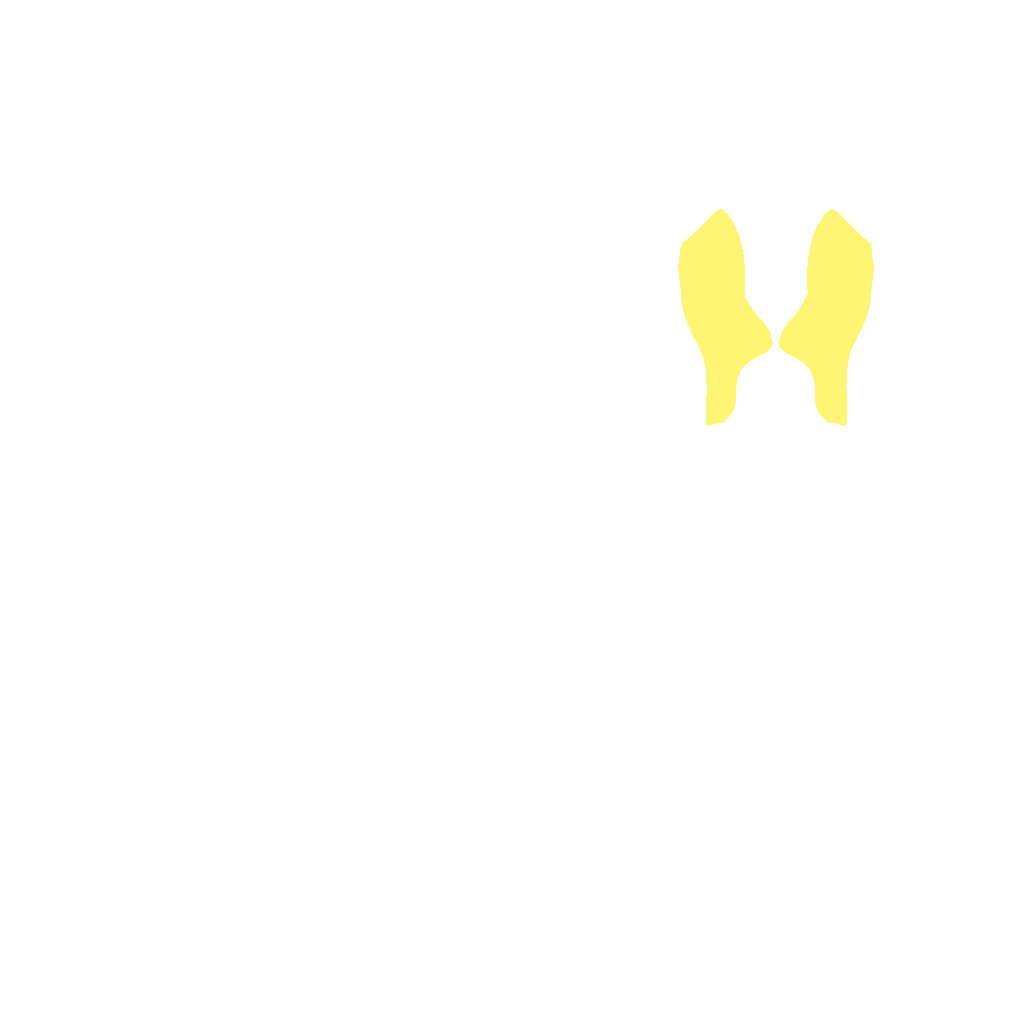
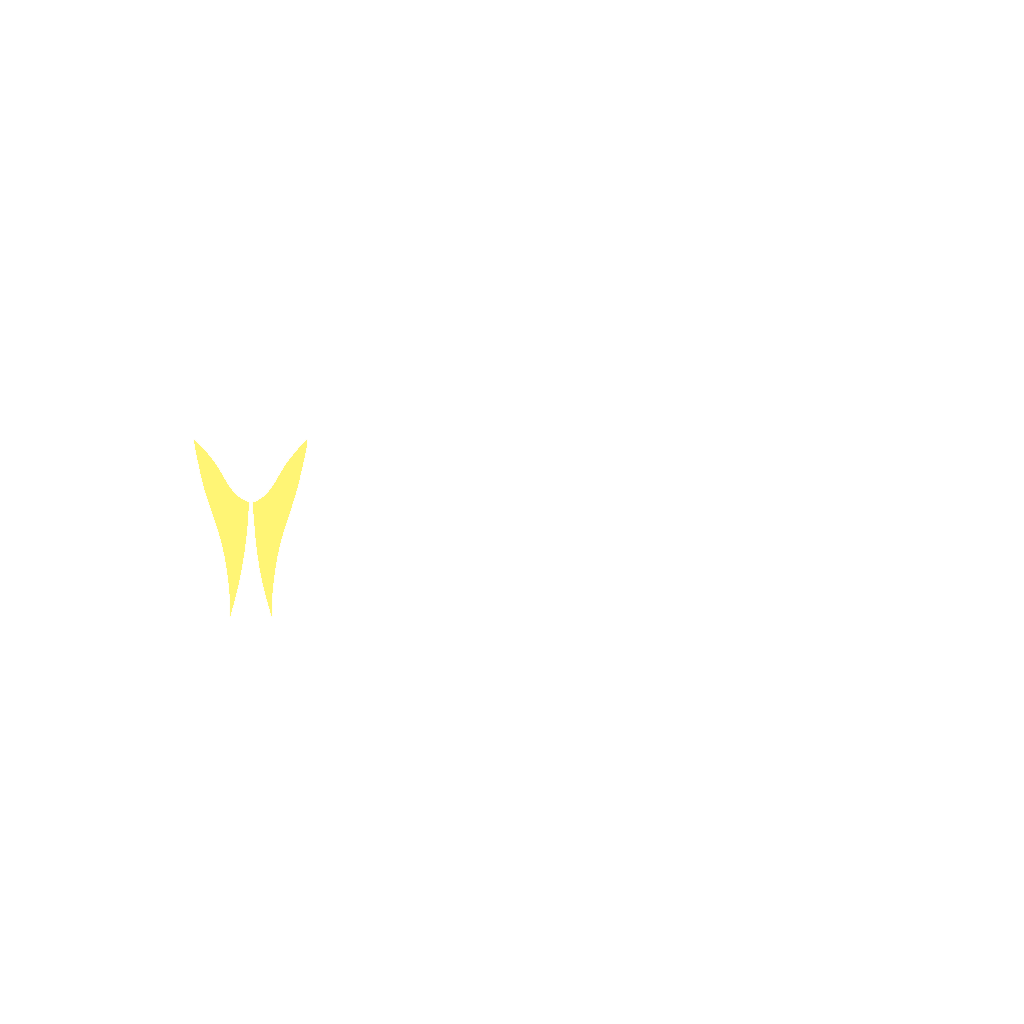
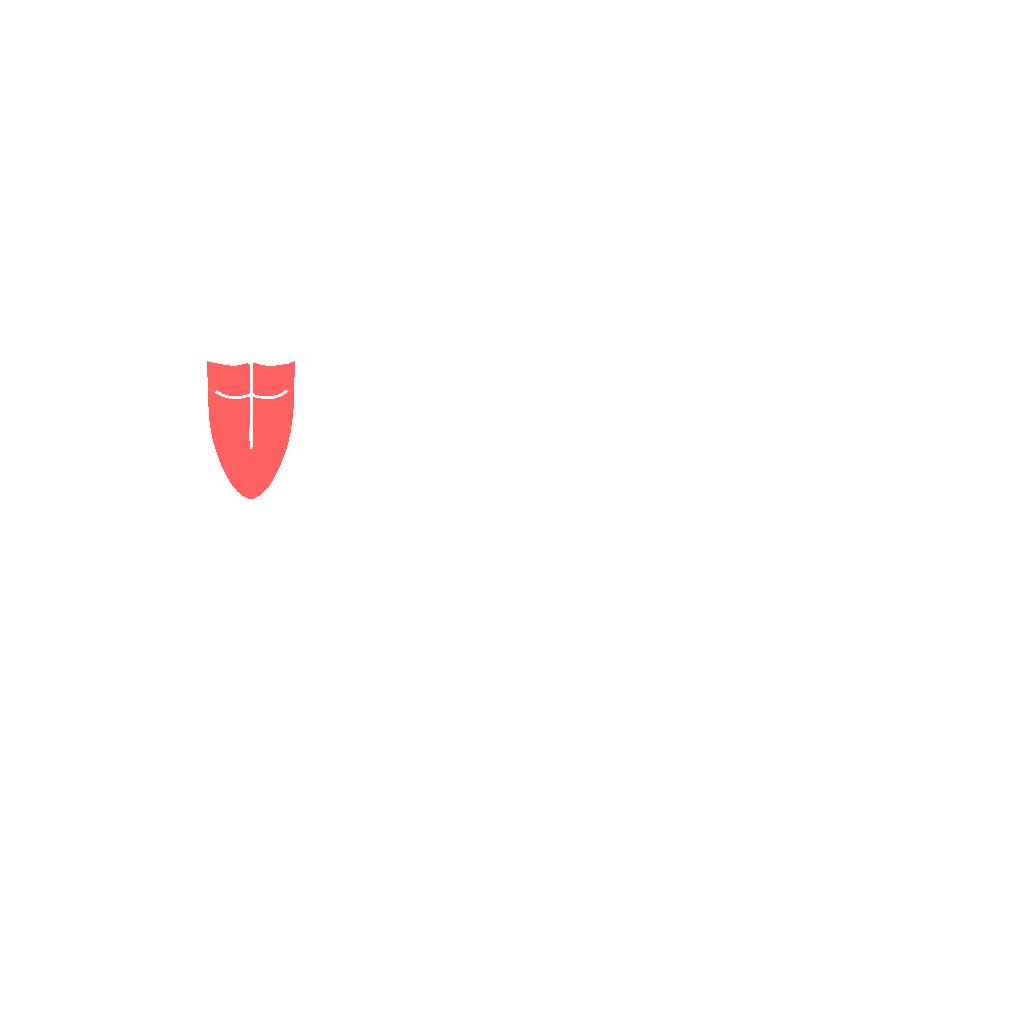
- Lower Rectus Abdominals, Upper Rectus Abdominals, Deltoid Anterior
- Secondary
- Gluteus Maximus, Erector Spinae, Triceps Brachii Long Head, Splenius, Trapezius Upper
- Tertiary
- Abdominal External Oblique, Sternocleidomastoid, Latissimus Dorsi, Adductor Longus
How to do it
- 1
Set your headstand base, either the interlaced-forearm bind or the tripod triangle, and press it firmly down.
- 2
Walk the feet in until the hips stack over the shoulders and the back is vertical.
- 3
Widen the legs into a straddle and, with the core braced, float the toes off the floor.
- 4
Lift the straddled legs slowly toward the ceiling, then draw them together at the top.
- 5
Hold tall through the heels, then re-straddle and lower with the same slow control to exit.
- 6
Rest the neck in Child's Pose once both feet are grounded.
Tips
- Initiate the lift from the lower abdominals, not a leg kick, so the neck is never jolted.
- Keep the shoulders lifting and the base pressing down hard through every inch of the ascent.
- If you cannot lift with control, you are not ready; keep drilling the supported hold instead.
- Never let the head twist or take sudden load; the arms and shoulders own the weight.
- Avoid with neck issues, high blood pressure, glaucoma, or during pregnancy.
Variations
Common mistakes
- The legs are still narrow when the toes leave the floor, so the feet hang low and heavy and the lift becomes a hoist; widen the straddle first and it gets lighter.
- A small hop sneaks in to get the toes off the mat, and that flick of momentum is exactly what the straddle entry exists to remove.
- The straddle closes too early on the way up, bringing the legs together while the hips are still behind the shoulders and stalling the press.
- The descent gets abandoned and the feet drop straight to the floor, giving away the slow lowering where most of the strength in this entry is built.
- The hips drift past the shoulders toward your back as the legs rise, so the base spends the whole ascent chasing the balance instead of holding still under it.
Frequently asked
- What is a sensible starting dose for the straddle headstand, and what should I own first?
- Three to five slow attempts in a session, ninety seconds of rest between, twice a week, and an attempt counts only if nothing jumped. Before you try it you want a steady one-minute supported headstand and the ability to float both toes off the floor from a wide straddle with the hips already stacked. Progress by making the ascent slower rather than the hold longer, since speed is the thing this entry exists to remove.
- How do I make the straddle headstand easier or harder?
- Easier: set your headstand base, widen the legs and practice only the toe-float, staying there for a breath before setting the feet down. A wall a few inches behind you costs nothing and takes the fear out. Harder: lift and lower three times without the feet touching, draw the legs together at the top and re-straddle to come down, or narrow the straddle a little each week until you are pressing up through something close to a pike.
- What does the straddle headstand train, and when is it the wrong choice?
- It trains the lower abdominals to hold the pelvis over the shoulders while the glutes lift the legs under control, the same pattern a straddle press handstand needs, and it builds shoulder endurance along the way. It is the wrong choice at the end of a long session, when tired arms stop pressing and the neck quietly takes the difference. Avoid it with any neck issue, uncontrolled high blood pressure, glaucoma, or in pregnancy. For core strength without load near the neck, hollow holds and slow leg lowers do more per minute.
Related exercises
Other movements among FitRay's 2,000+ exercises that load the same target muscle — same equipment and level first.
- AdvancedCrane PoseBody Weight · Abs · Shoulder
- AdvancedAdvanced Tuck Planche HoldBody Weight · Chest · Shoulder
- AdvancedCrow PoseBody Weight · Abs · Shoulder
- AdvancedCrow to Tripod HeadstandBody Weight · Abs · Shoulder
- AdvancedFlying Crow PoseBody Weight · Abs · Shoulder
- AdvancedFlying Pigeon PoseBody Weight · Abs · Shoulder