The Neck Pull
The Neck Pull is a more demanding cousin of the Roll-Up, removing the arm assistance by placing the hands behind the head. Rolling up over straight legs and then restacking the spine tall requires strong, evenly controlled abdominals. The forward reach stretches the hamstrings and back, while the tall stack trains upright spinal control.
- Equipment
- Body Weight
- Body part
- Abs
- Type
- Pilates, Strength, Stretching
- Browse by muscle
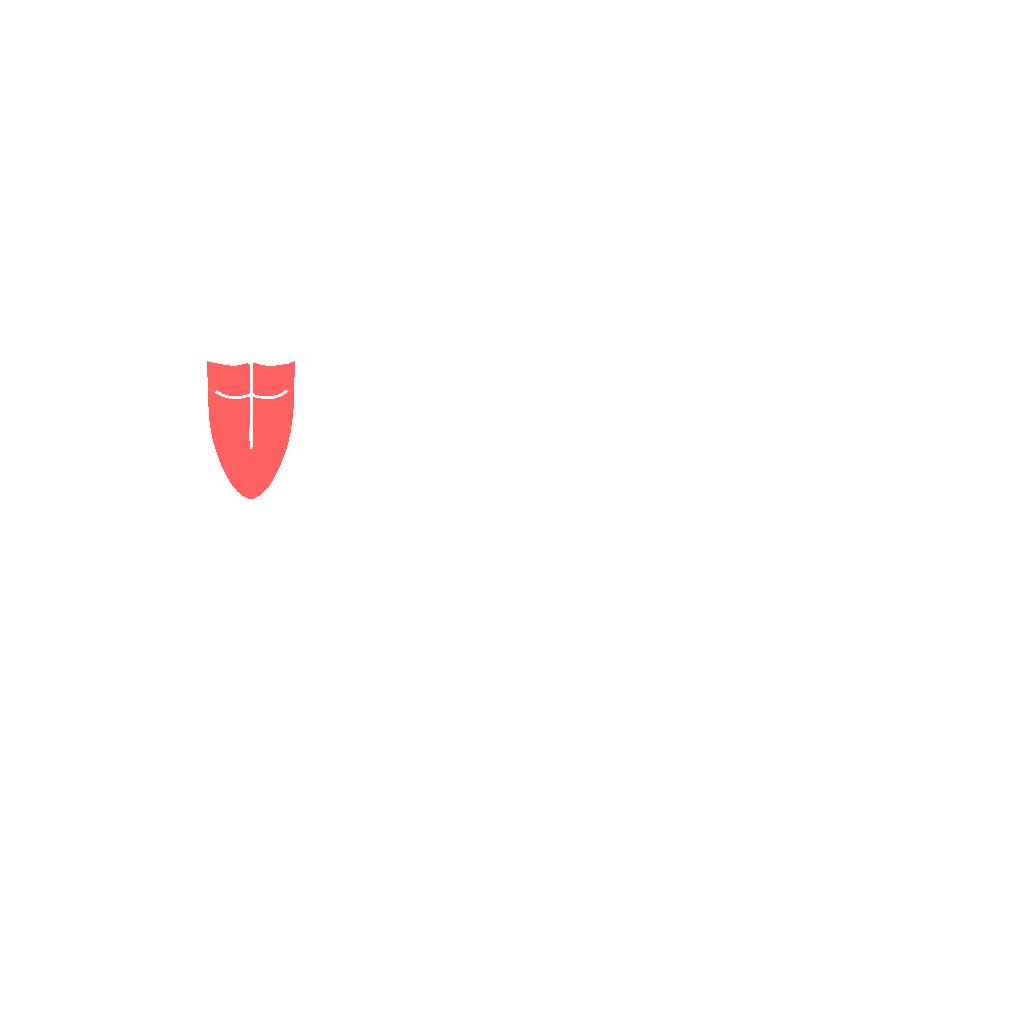
- Upper Rectus Abdominals, Lower Rectus Abdominals
- Browse by movement
- Spinal Flexion






- Target
- Upper Rectus Abdominals, Lower Rectus Abdominals
- Secondary
- Abdominal External Oblique, Rectus Femoris
- Tertiary
- Erector Spinae
How to do it
- 1
Lie supine with legs straight and hip-width apart, hands laced behind the head with elbows wide.
- 2
Curl the head and chest forward, then peel the spine off the mat one vertebra at a time.
- 3
Continue rolling forward and reach the head toward the knees over the straight legs.
- 4
Inhale and restack the spine to sit tall and upright, hinging back slightly from the hips.
- 5
Exhale and roll the spine back down slowly, one vertebra at a time, to the start.
- 6
Keep the elbows wide and avoid pulling the head with the hands.
Tips
- Let the hands rest as a light frame, the abdominals do the lifting, not the arms.
- Keep the legs pinned down and straight, resisting the urge to bend the knees.
- Restack the spine tall before rolling down to train the full upright range.
Variations
Common mistakes
- The hips lift slightly off the mat as the body rolls forward, letting the legs help drive the curl instead of the abdominals alone.
- Collapsing the elbows in toward each other during the forward reach narrows the frame and pulls the head down with it.
- The hinge back at the top happens from the low back arching instead of from the hip joint, loading the lumbar spine instead of the trunk staying tall.
- Once the roll down speeds up through the middle of the spine, part of the descent turns into a drop instead of continuing vertebra by vertebra.
- The forward reach stops short of the legs to avoid the stretch on tight hamstrings, cutting the range before the spine finishes peeling forward.
Frequently asked
- What is a sensible starting dose for the Neck Pull, and what should you be able to do first?
- Three to five slow reps, focusing on rolling all the way up and restacking tall before rolling back down, is enough to start. You should already have a solid Roll-Up without momentum, since the Neck Pull removes the arm assistance and adds the tall restack on top of that same rolling pattern.
- How do you make the Neck Pull easier or harder?
- To make it easier, bend the knees slightly to reduce hamstring pull, or place hands by the sides instead of behind the head for a small assist. To make it harder, keep the legs fully straight and slow the restack at the top so the trunk works longer against gravity.
- Who is the Neck Pull for, and when should you avoid it?
- It is a more demanding cousin of the Roll-Up that strengthens the abdominals evenly while stretching the hamstrings and back and training upright spinal control. It is a poor choice for anyone who cannot yet do a controlled Roll-Up, or with tight hamstrings that force the low back to round excessively during the forward reach.
Related exercises
Other movements among FitRay's 2,000+ exercises that load the same target muscle — same equipment and level first.