TRX Cossack Squat
The Cossack squat shifts your weight into one deeply bent leg while the other stays straight, hammering the adductors, glutes, and single-leg mobility. Holding the straps lets you sit into full depth and build hip flexibility under load without falling backward. It is excellent mobility-strength work for lifters with tight, weak inner thighs.
- Equipment
- TRX
- Type
- Balance, Strength
- Browse by muscle
- Adductor Longus, Adductor Magnus, Gluteus Maximus
- Browse by movement
- Squat


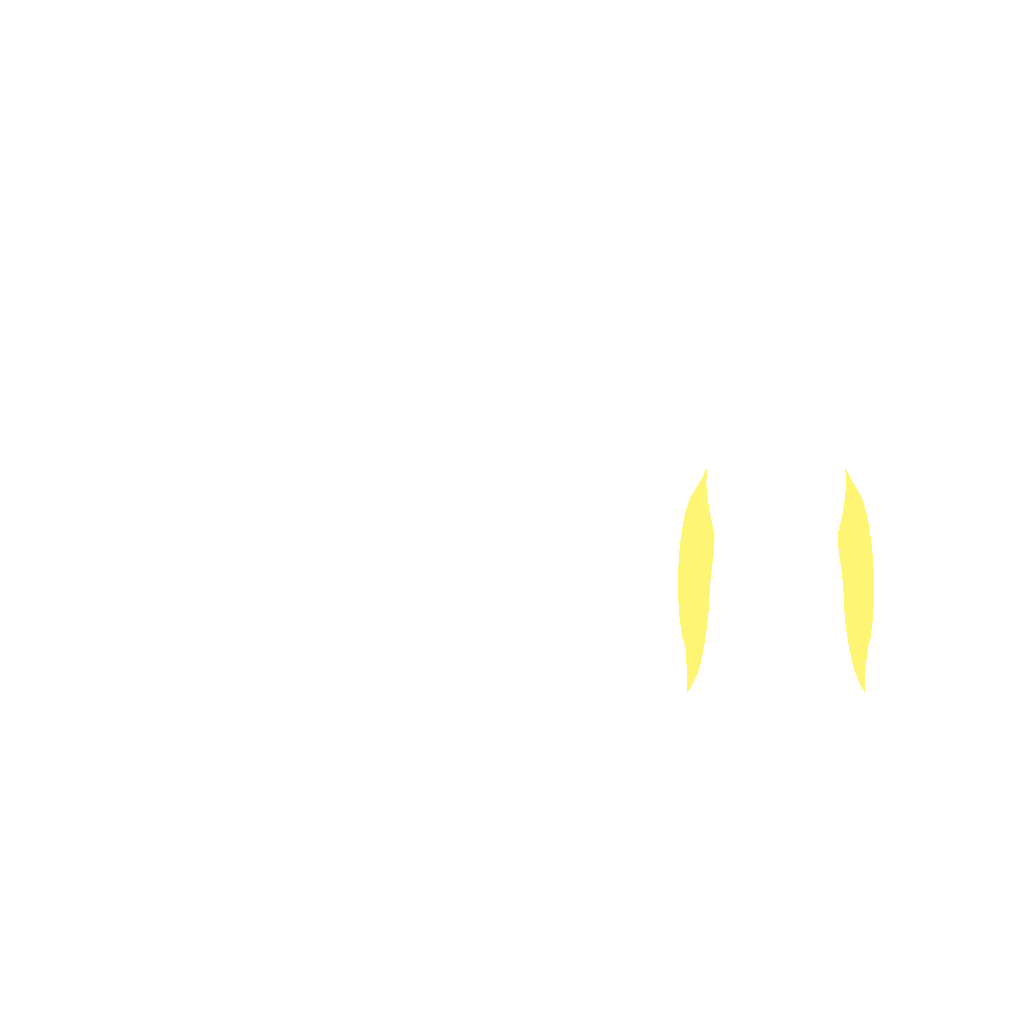


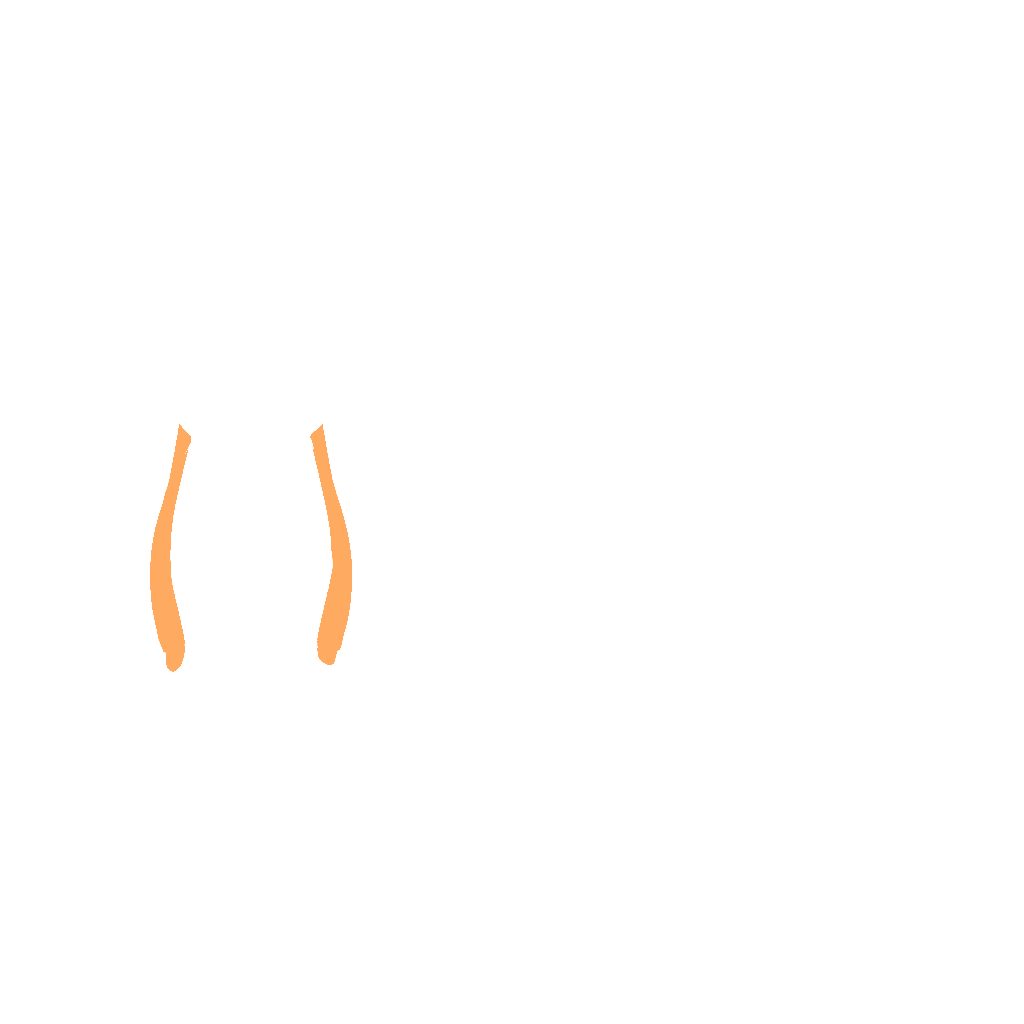
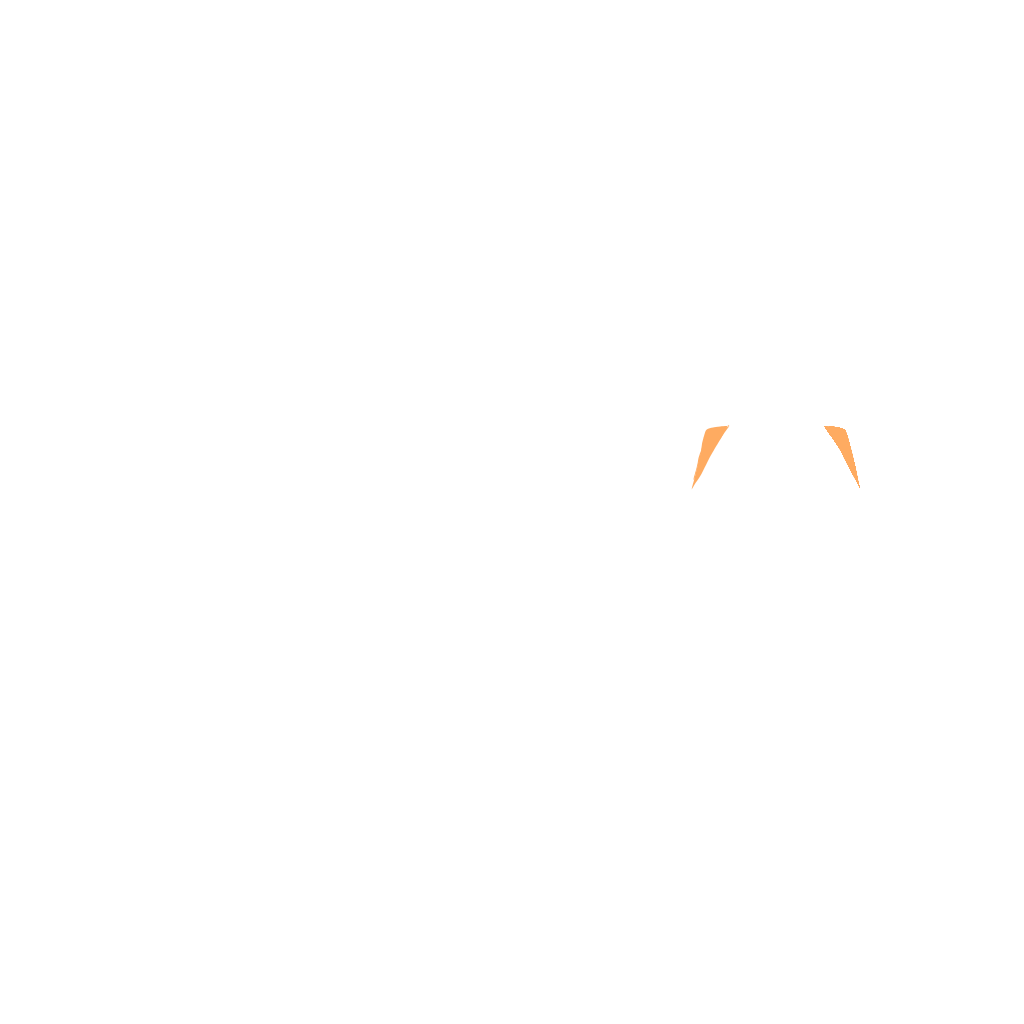
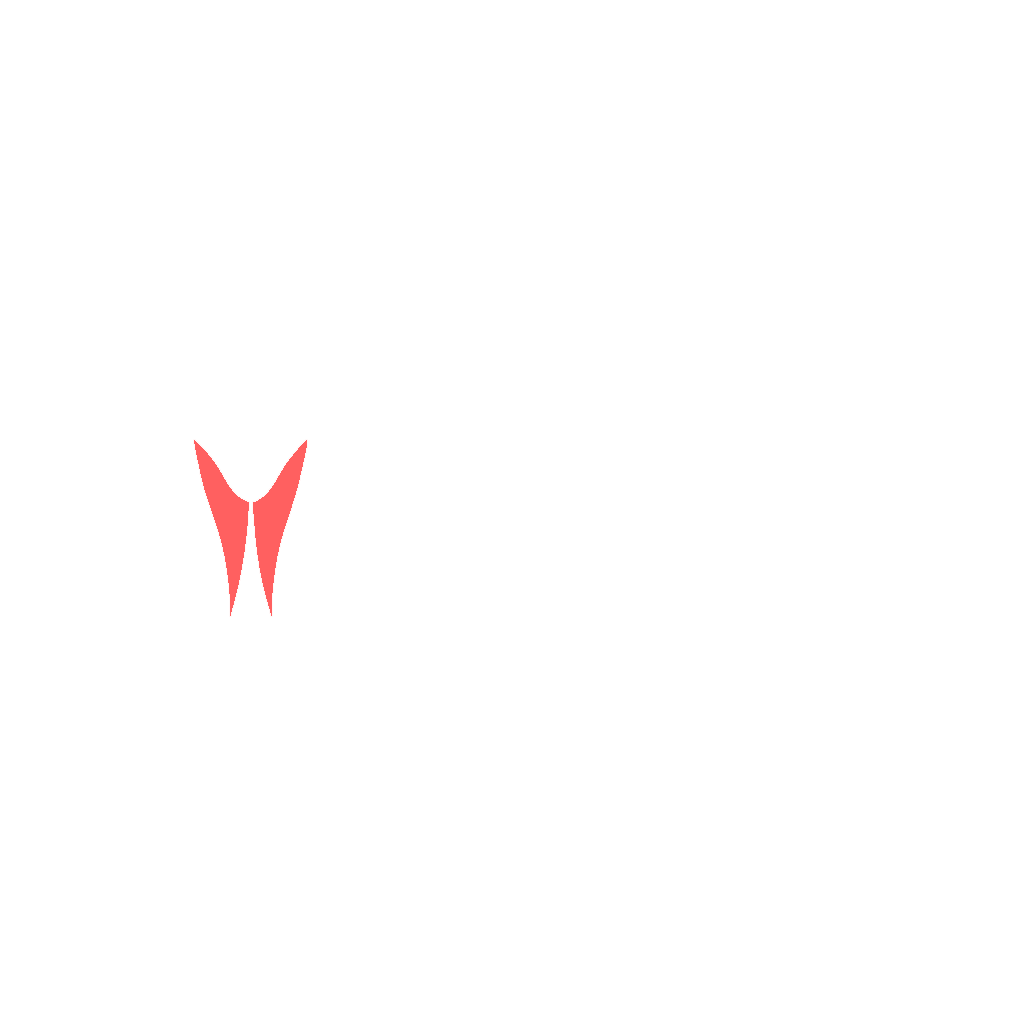
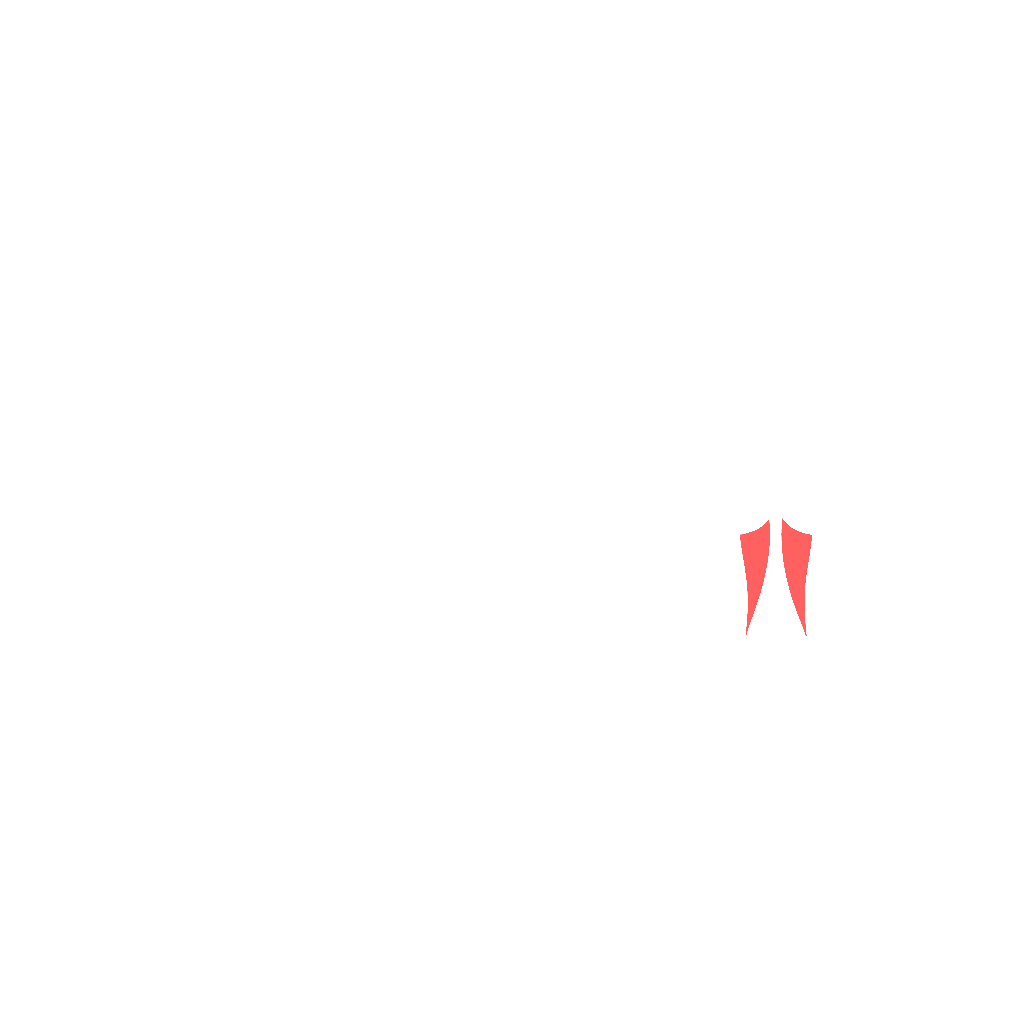

- Target
- Adductor Longus, Adductor Magnus, Gluteus Maximus
- Secondary
- Rectus Femoris, Vastus Lateralis, Gluteus Medius
- Tertiary
- Biceps Femoris, Erector Spinae
How to do it
- 1
Face the anchor with a wide stance and a handle in each hand.
- 2
Keep light tension on the straps and stand tall.
- 3
Shift your weight to one side, bending that knee and sitting the hip back and down.
- 4
Let the trailing leg straighten with the toes up as you descend.
- 5
Sink as low as your mobility allows while keeping the heel down.
- 6
Drive back up to center and repeat to the other side.
Tips
- Keep the heel of the bent leg planted; do not roll onto the toes.
- Use the straps to ease into depth, not to yank yourself up.
- Point the toes of the straight leg toward the ceiling to stretch the adductor.
Variations
Common mistakes
- Body weight ends up hanging from the arms so the legs never really load; the straps should feel like a fingertip of support at the bottom, not a handrail.
- Standing too far from the anchor leaves you leaning back at the bottom, which opens the hips but takes the working glute and quad out of the position; step in until the straps hang close to vertical when you are tall.
- Strap length gets left where the last person had it, so the handles sit at your hips at the bottom and you have to reach down; set them near chest height when standing.
- Slack appears in the straps on the way down and then gets snatched up, which jerks the shoulders; keep light tension the whole way into the bottom.
Frequently asked
- How many sets and reps of the TRX Cossack squat should you do when you are new to the exercise?
- Two to three sets of 8 per side, and let the progression be how little you use the straps rather than how many reps you do. Session one might have both hands pulling hard; a few weeks in, aim for two fingers on each handle. Once you can descend with the straps barely tight, move to the bodyweight or goblet version.
- What can I use instead of a TRX for the TRX Cossack squat?
- One hand on a squat rack upright, a doorframe or a heavy table gives almost the same assistance for free. A pair of gymnastic rings or any anchored strap works identically. If you have no support at all, hold a light dumbbell out in front of you: the counterweight keeps you from tipping backward, which is most of what the straps were doing.
- What is the TRX Cossack squat good for, and when is it not the right choice?
- The straps let you reach a depth your hips cannot yet control alone, so it suits anyone whose adductors are tight and who falls backward in the unassisted version. It is a poor choice for loading the legs, since the arms quietly take a share of the work, and it depends entirely on the anchor being solid. Once depth is comfortable, move on to a loaded version.
Related exercises
Other movements among FitRay's 2,000+ exercises that load the same target muscle — same equipment and level first.
- IntermediateTRX Jump SquatTRX · Glutes · Quads
- IntermediateBurpeeBody Weight · Chest · Quads
- IntermediateBox JumpBox · Glutes · Quads
- IntermediateKettlebell Clean-Squat-Press FlowKettlebells · Quads · Shoulder
- IntermediateRowing MachineMachine · Back · Quads
- IntermediateSumo SquatDumbbell · Kettlebells · Glutes