TRX High Row
The high-row angle turns the standard suspension pull into an upper-back and rear-delt builder, since flaring the elbows drives horizontal abduction rather than a lat-dominant pull. It is a smart antidote to rounded, pressing-heavy programming and scales instantly by walking the feet forward or back. Program it on push days or as a postural finisher.
- Equipment
- TRX
- Type
- Strength
- Browse by muscle
- Deltoid Posterior, Trapezius Middle
- Browse by movement
- Horizontal Pull




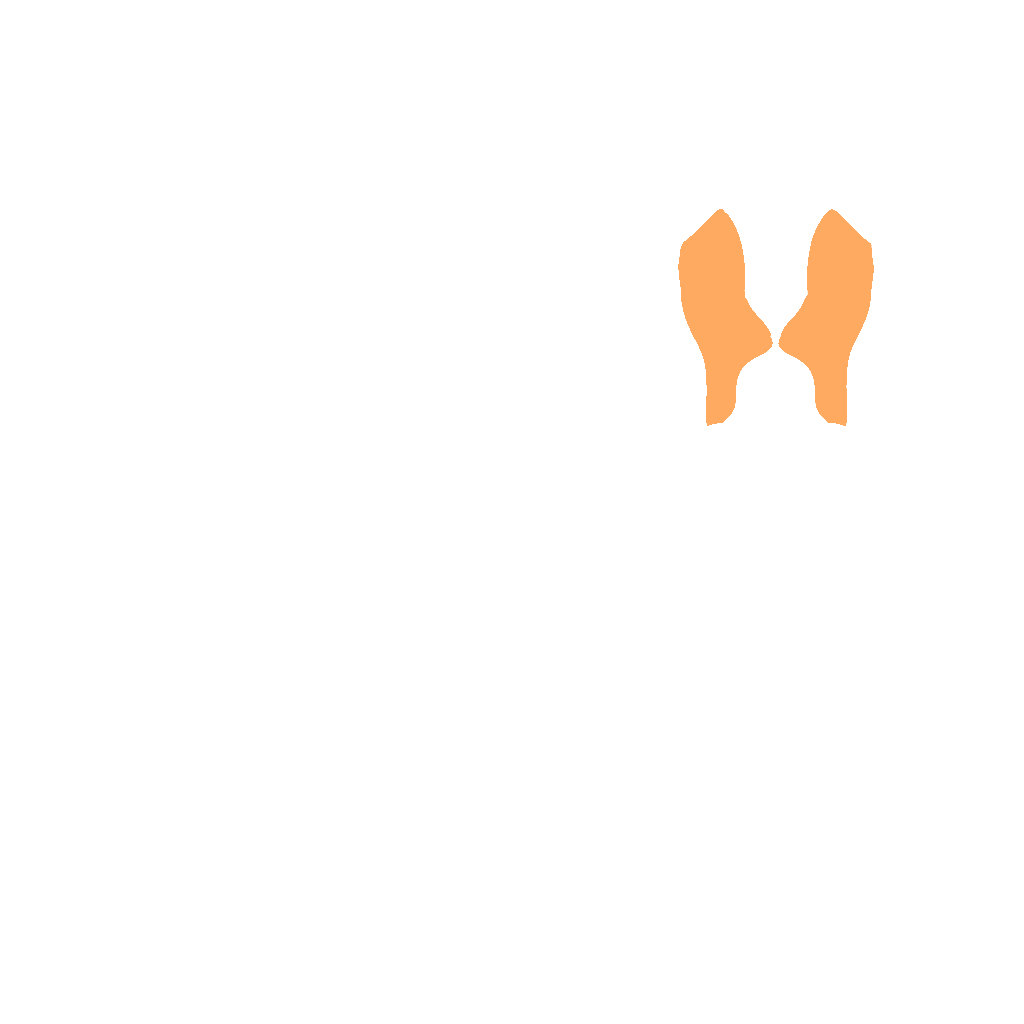





- Target
- Deltoid Posterior, Trapezius Middle
- Secondary
- Latissimus Dorsi, Trapezius Lower, Infraspinatus, Biceps Brachii Short Head
- Tertiary
- Erector Spinae, Abdominal External Oblique
How to do it
- 1
Set the straps to mid-length and grip a handle in each hand with palms facing down.
- 2
Walk your feet forward and lean back until your arms are straight and your body is a rigid plank.
- 3
Brace your abs and squeeze the glutes so your hips do not sag.
- 4
Pull your chest toward the handles while driving your elbows up and out to shoulder height.
- 5
Squeeze the shoulder blades together at the top without shrugging toward your ears.
- 6
Lower under control until the arms are fully extended and repeat.
Tips
- Keep the elbows high and wide the whole rep so the load stays on the rear delts, not the lats.
- Walk the feet farther forward to make it harder, or step back to reduce the angle.
- Do not let the hips drop; the torso and legs should move as one line.
Variations
Common mistakes
- Walking the feet as far forward as you would for a standard strap row. Rear delts are small, and at a steep angle the elbows never reach shoulder height, so the movement collapses into a lat pull.
- Finishing the pull with a shrug toward the ears. The last inches should come from the shoulder blades squeezing together, not from the traps lifting.
- Dragging the handles back behind the line of your shoulders to chase more squeeze, which pinches the front of the shoulder. Stop when the hands are beside your chest.
- Letting the wrists bend back under the palms-down grip. Keep the knuckles in line with the forearm so the load stays in the upper back rather than the wrist joint.
- Arching the lower back to close the last few inches of the pull. Ribs stay down; if the top is out of reach, step the feet back and reduce the lean.
Frequently asked
- How many sets and reps of the TRX high row should I do?
- Two or three sets of 12 to 15 works better here than heavy triples, because the rear delts and mid-traps respond to controlled reps in the shortened position. Pick a lean where you can hold the top for a full second on every rep. Progress by walking the feet forward two or three inches at a time rather than piling on reps. It sits well at the end of a push day or as a second pull after a heavier row.
- What can I do instead of the TRX high row without straps?
- A band anchored at chest height and pulled toward your face with the elbows high covers the same rear-delt and mid-trap job, and band pull-aparts are the simplest no-equipment stand-in. In a gym, a rope face pull on a high pulley or a prone rear-delt raise on an incline bench hit the same muscles from a similar angle. Rings set at hip height work exactly like the straps.
- What is the TRX high row good for, and when is it not the right exercise?
- It builds the rear delts and the muscles between the shoulder blades, which is what most people need after a week heavy on pressing and light on pulling. It also holds your body in a plank, so it doubles as trunk work. It is a poor choice as your only back exercise, since the high elbow position takes the lats mostly out of the movement, and a poor choice for loading heavy: the position gets ugly long before the muscles are done.
Related exercises
Other movements among FitRay's 2,000+ exercises that load the same target muscle — same equipment and level first.