Typewriter Pull-Up
By pulling to the top and then travelling horizontally from hand to hand, you demand strength and control at the hardest, most contracted part of the range where most people can barely hold. Each slide loads one side heavily while the other extends, so your lats and biceps work near lockout the entire time. It builds the top-end strength and stability that carry straight into archer and one-arm work.
- Equipment
- Pull-Up Bar
- Type
- Strength
- Browse by muscle
- Latissimus Dorsi
- Browse by movement
- Vertical Pull







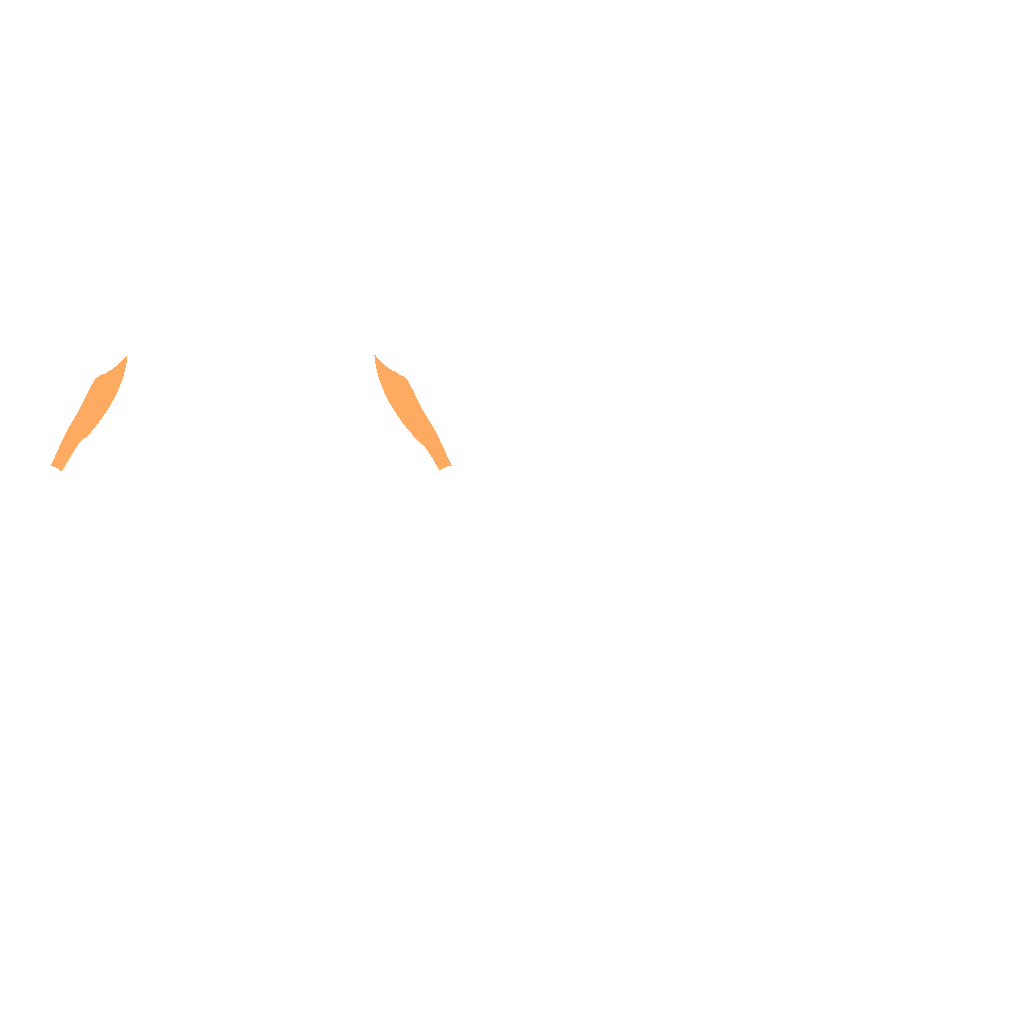
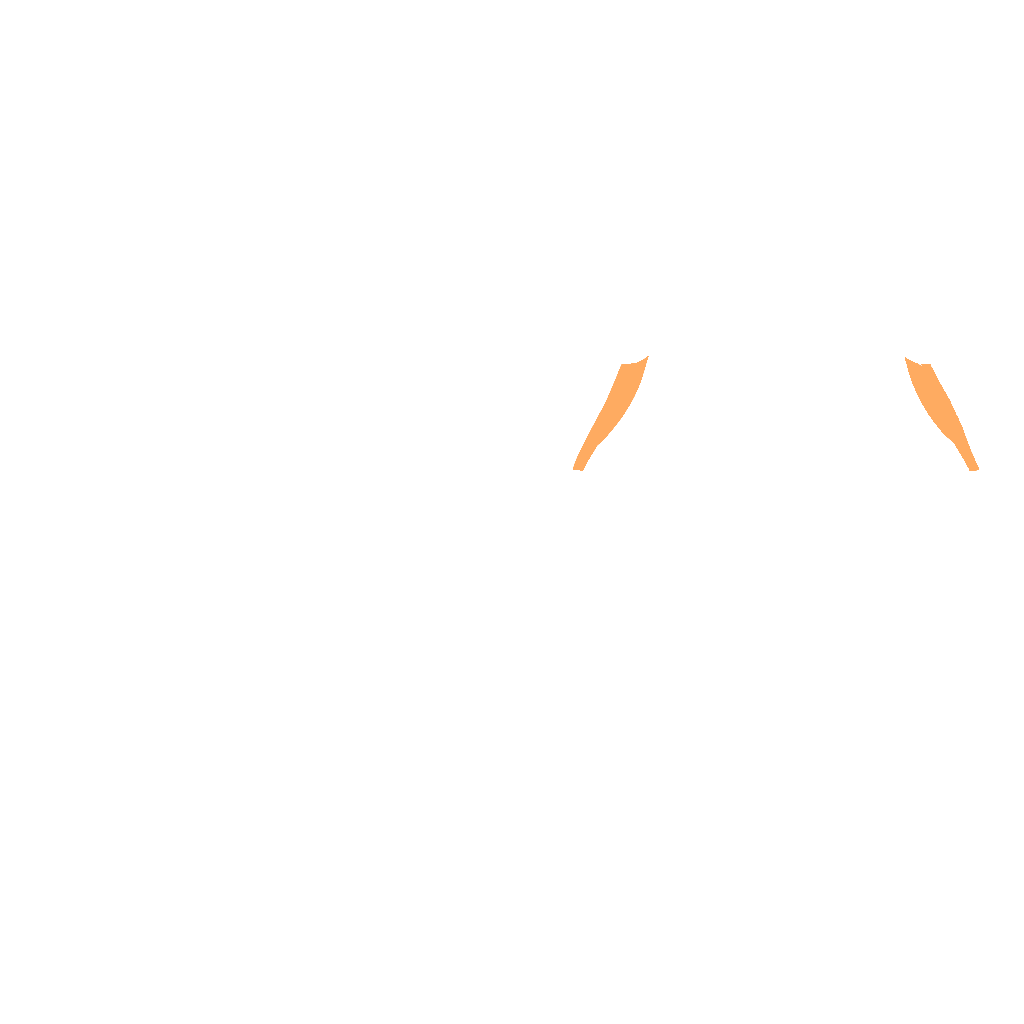



- Target
- Latissimus Dorsi
- Secondary
- Biceps Brachii Long Head, Biceps Brachii Short Head, Brachioradialis, Trapezius Lower, Trapezius Middle
- Tertiary
- Abdominal External Oblique, Upper Rectus Abdominals, Deltoid Posterior
How to do it
- 1
Pull up on a wide overhand grip until your chin clears the bar and hold that height.
- 2
Shift your body toward one hand, bending that arm fully while the other straightens.
- 3
Keep your chin level with the bar the whole way across; do not sink in the middle.
- 4
Travel back to the opposite hand in the same controlled manner.
- 5
Complete your reps sliding side to side, then lower under control to the hang.
Tips
- Stay high the entire slide; dropping your chin turns it into an easier swing and defeats the purpose.
- Move smoothly and slowly rather than rushing across, which keeps constant tension on both arms.
- If the full slide is too hard, shorten the distance you travel and extend it as you strengthen the top range.
Variations
Common mistakes
- The far arm snaps into a hard lockout at each end of the slide, parking your bodyweight on a straight arm at its most stretched point; leave a trace of bend and keep that shoulder pulling.
- Once the pace picks up, the legs swing sideways to pendulum the body across, so the travel comes from momentum rather than the lats and you arrive with nothing left to control.
- A grip barely wider than the shoulders leaves almost nothing to travel across, so the drill becomes a long chin-over-bar hold; the hands need enough width that the far arm truly straightens.
- Hips twist under the bar to face the working hand, which shortens the distance the body has to cover and hides how much load the far arm is still carrying.
- Sets get run until the arms give out, and the last reps are spent hanging at chin height with no travel at all; end the set on the last slide you complete at full height.
Frequently asked
- How many typewriter pull-ups should I start with, and what should I be able to do first?
- Own 10 to 12 strict pull-ups and a 10-second chin-over-bar hold before you try these. Then count trips rather than reps: one trip is a slide across and back. Three or four sets of 2 to 3 trips, with full rest between sets, is plenty at the start. Add a trip per set every couple of weeks, and widen the distance you travel before you add volume. Stop the set the moment the chin has to drop to get across.
- What can I do instead of typewriter pull-ups if I have no pull-up bar?
- A suspension trainer or rings hung at hip height give you a typewriter inverted row, which loads one arm at a time in the same sideways pattern while your feet stay on the ground to set the difficulty. Walking the feet further out makes it harder. In a gym, a single-arm lat pulldown lets you load one side at a time with a weight you can pick. Under a sturdy table, an archer inverted row does the same job at home.
- What are typewriter pull-ups good for, and when should I choose something else?
- They build strength and control in the top few inches of the pull, where most people can barely hold position, and they are a sensible step toward archer and one-arm work. They are a poor choice for back size, because the range is short and the reps stay low: rows and pulldowns move more muscle through more distance. Leave them alone if your shoulders dislike wide, stretched hangs, and do not use them as a first pull-up program.
Related exercises
Other movements among FitRay's 2,000+ exercises that load the same target muscle — same equipment and level first.
- AdvancedPull-UpPull-Up Bar · Back · Lats
- AdvancedBar Muscle-UpPull-Up Bar · Back · Lats
- AdvancedFront Lever RaisePull-Up Bar · Abs · Back
- AdvancedFull Front Lever HoldPull-Up Bar · Abs · Lats
- AdvancedWeighted Pull-UpPlate · Pull-Up Bar · Back
- AdvancedAdvanced Tuck Front Lever HoldPull-Up Bar · Abs · Lats