Weighted Neutral-Grip Pull-Up
The neutral grip is the most shoulder- and elbow-friendly pull-up position, and adding a plate lets stronger trainees keep progressing. The palms-facing grip lets the brachioradialis and both biceps heads share the load while the lats still lead. It is a great heavy option for anyone whose wrists or elbows dislike a pronated grip.
- Equipment
- Plate, Pull-Up Bar
- Type
- Strength
- Browse by muscle
- Latissimus Dorsi
- Browse by movement
- Vertical Pull







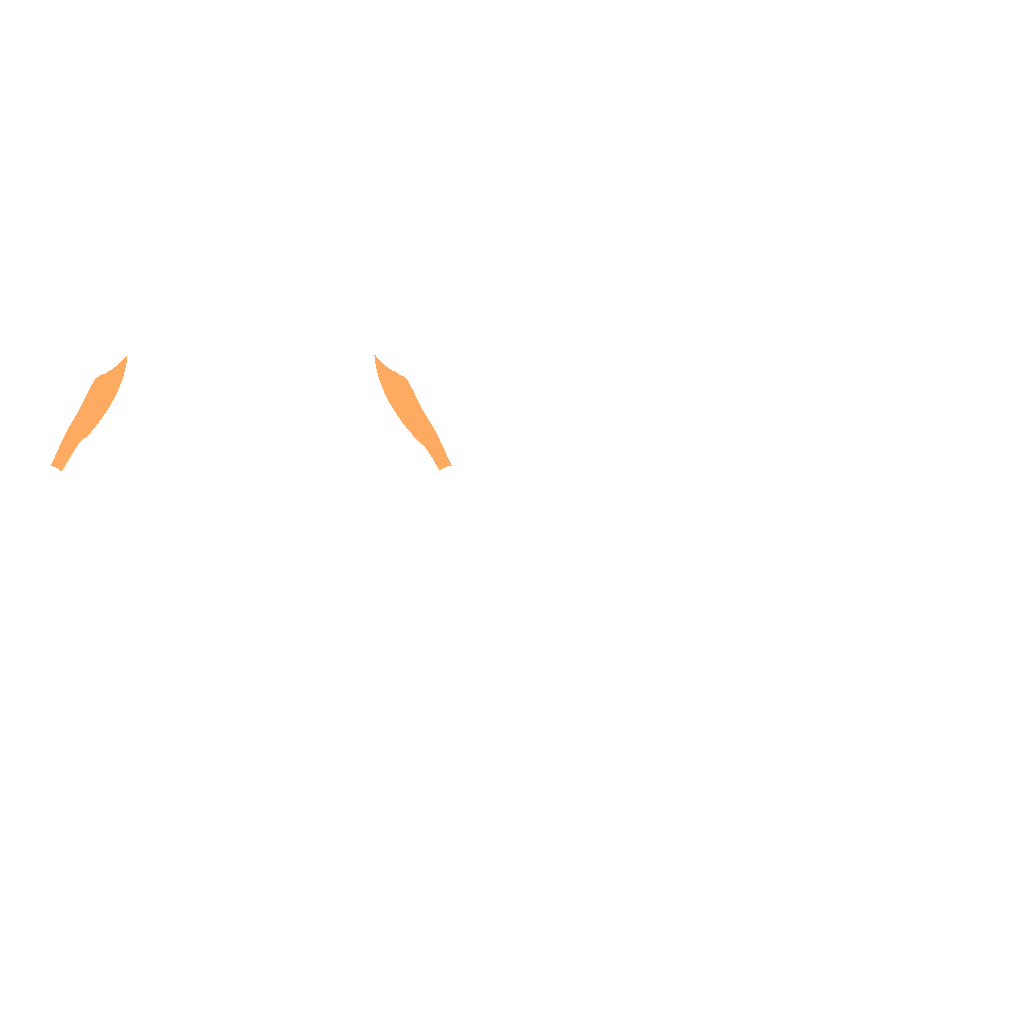
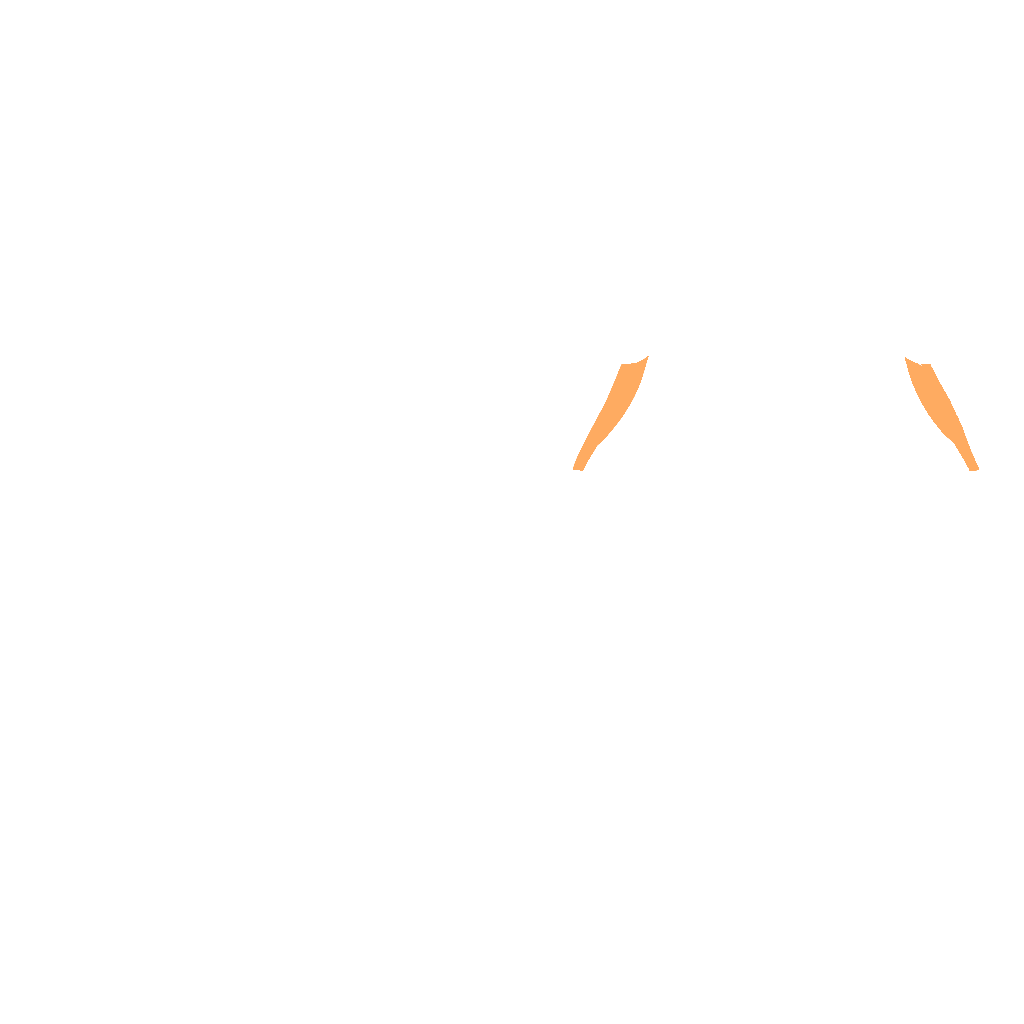



- Target
- Latissimus Dorsi
- Secondary
- Biceps Brachii Long Head, Biceps Brachii Short Head, Brachioradialis, Trapezius Middle, Trapezius Lower
- Tertiary
- Infraspinatus, Erector Spinae, Lower Rectus Abdominals
How to do it
- 1
Load a plate on a dip belt or hold one between your feet.
- 2
Take a parallel-bar or neutral handle grip with palms facing each other.
- 3
Depress and set the shoulder blades before initiating the pull.
- 4
Drive the elbows down and in, pulling the chest up until the bar reaches upper-chest height.
- 5
Lower steadily to a full hang while keeping the added weight from swaying.
- 6
Work in a moderate-to-low rep range with a load that keeps form strict.
Tips
- Keep the elbows tracking close to the body to maximize lat involvement.
- Avoid letting the added weight rock you, brace the abs to stay vertical.
- If a pronated grip bothers your joints, make this your main heavy pull-up.
Variations
Common mistakes
- A plate pinched between the feet falls the moment your legs tire, so keep a mat underneath if you use that method and move to a dip belt as the load climbs.
- Weight goes on before the bodyweight reps are clean, and the plate then shortens the range from the bottom up until you are pulling half a rep.
- A dip belt hung on a long chain lets the plate sit between your knees and knock them apart; shorten the chain so the load hangs close to your hips.
- Once the set gets heavy, the last rep is finished with a heave from the hips; stop at the last rep you could hold still at the top.
- Dropping off the bar while the belt is loaded lands the whole thing on your ankles; step down onto a box or take the weight off before you let go.
Frequently asked
- How many weighted neutral-grip pull-ups should you do when you are new to the exercise?
- Four sets of four to six, resting two to three minutes between them. Add weight only once eight to ten clean bodyweight reps are easy, and start at 5 kg rather than the 20 kg plate that looks about right. Go up in the smallest increment your gym has once you hit six clean reps across all four sets.
- What can I do instead of a weight belt for weighted neutral-grip pull-ups?
- A backpack packed with books or full bottles sits close to your back and stays quiet, which makes it the best option outside a gym. Failing that, add difficulty without load: hold two seconds at the top of every rep, or take five seconds to come down.
- What is the weighted neutral-grip pull-up for, and who should not do it?
- It is how you keep getting stronger at pulling once bodyweight reps are easy, and the palms-facing grip lets you load up with less of the elbow and shoulder irritation a pronated grip can bring. Nobody should add weight before they own clean full-range reps at bodyweight. If the inside of your elbow gets sore, cut the load and the frequency early rather than working through it.
Related exercises
Other movements among FitRay's 2,000+ exercises that load the same target muscle — same equipment and level first.
- IntermediateChin-UpPull-Up Bar · Back · Lats
- IntermediateBurpee Pull-UpPull-Up Bar · Lats · Quads
- IntermediateChest-to-Bar Pull-UpPull-Up Bar · Back · Lats
- IntermediateChin-Up Top HoldPull-Up Bar · Back · Biceps
- IntermediateFlexed-Arm Hang at 90 DegreesPull-Up Bar · Biceps · Lats
- IntermediateHanging Scapular Lift-OffPull-Up Bar · Lats · Traps