Wide-Angle Seated Forward Fold
Sitting with the legs opened wide and folding forward targets the adductors along the inner thighs while the hamstrings and back also lengthen. Walking the hands forward on an exhale lets the hips hinge deeper over time. It is a patient, grounding stretch that improves the wide-legged mobility used in squats, straddle work, and many standing poses.
- Equipment
- Body Weight
- Type
- Stretching, Yoga
- Browse by muscle
- Adductor Longus, Adductor Magnus, Biceps Femoris


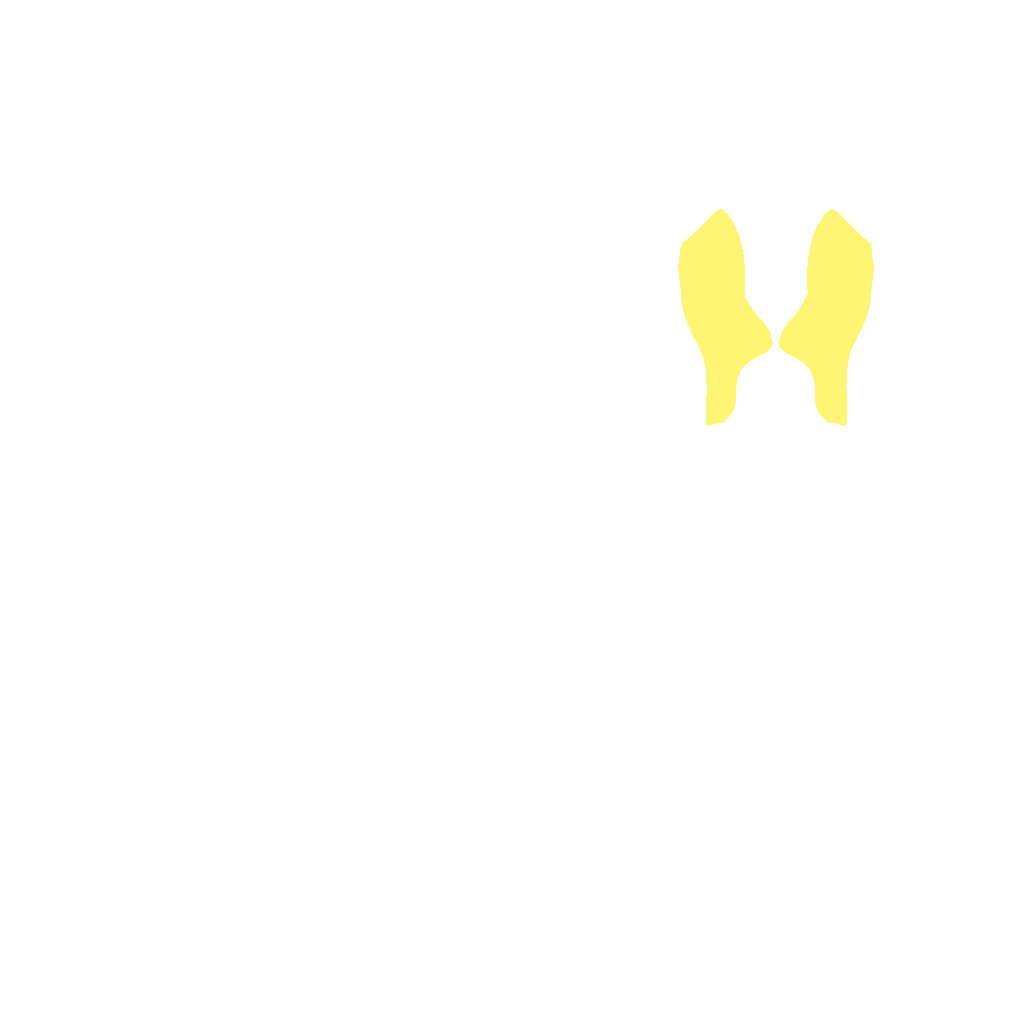



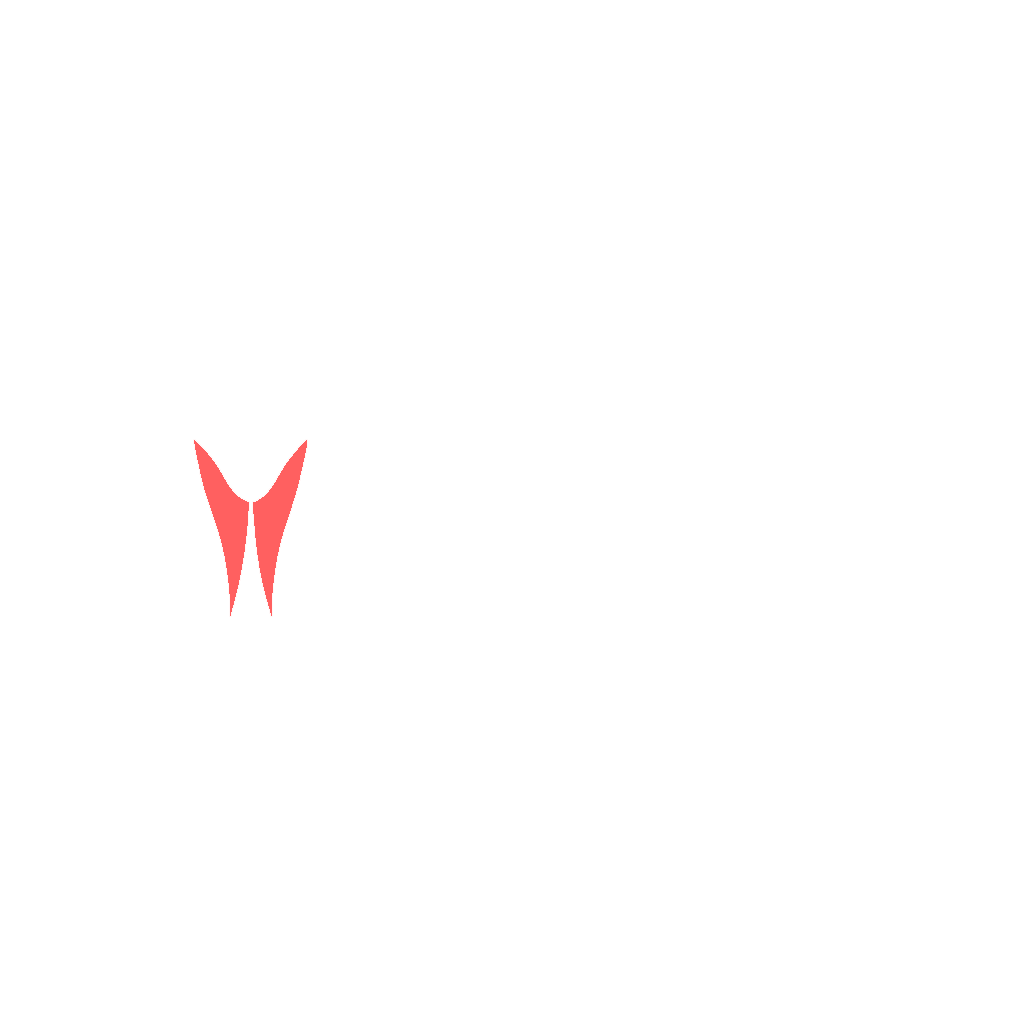
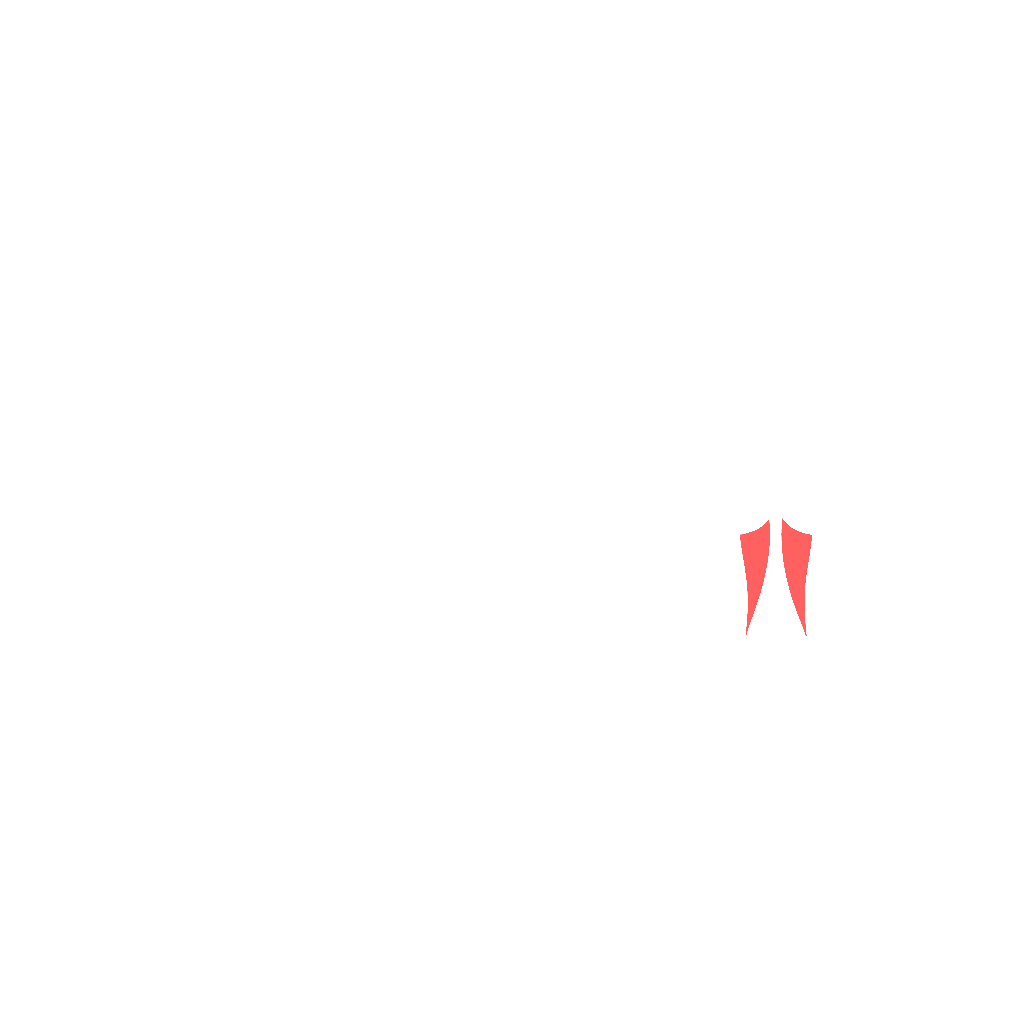

- Target
- Adductor Longus, Adductor Magnus, Biceps Femoris
- Secondary
- Semitendinosus, Erector Spinae
- Tertiary
- Latissimus Dorsi, Gastrocnemius Medial Head
How to do it
- 1
Sit tall and open the legs into a wide V, toes and kneecaps pointing up.
- 2
Press the backs of the thighs down and lengthen through the spine.
- 3
Place the hands on the floor in front of you.
- 4
Exhale and walk the hands forward, hinging from the hips.
- 5
Fold only as far as you can keep the chest broad and the spine long.
- 6
Hold and breathe, then walk the hands back and draw the legs together.
Tips
- Sit up on a folded blanket if the lower back rounds the moment you fold.
- Keep the kneecaps and toes pointing straight up so the knees stay safe.
- Lead with the chest reaching forward rather than forcing the head toward the floor.
Variations
Common mistakes
- A V opened wider than the hips can hold is the main error here, because past that point the pelvis tips backward and the fold has to come out of the spine instead.
- The hands walk forward while the hips stay put, so the chest travels and the pelvis never rotates over the thighs; what you feel is all lower back.
- On a slick floor the heels creep wider as you settle, and the extra angle arrives before the hips are ready for it, which is when the inner thigh reports a sharp pull rather than a stretch.
- Small pulses toward the floor feel productive, but the adductors guard against bouncing and give up range far more slowly than they do to a still hold.
Frequently asked
- How long should I hold the wide-angle seated forward fold?
- Give it more time than a hamstring stretch: two rounds of 60 to 90 seconds, since the adductors let go slowly. Three or four sessions a week moves this along faster than one long attempt on a Sunday. Depth should come from the hips rotating further forward over the weeks, not from opening the legs wider.
- How can I make the wide-angle seated forward fold easier or harder?
- To make it easier, narrow the legs by ten or fifteen degrees and rest your forearms on a low stool or a stack of books so you can relax at a shallow angle. To make it harder, keep the chest broad and walk the hands out until the ribs approach the floor, or take the same fold over one leg at a time to work each side separately.
- What is the wide-angle seated forward fold good for?
- It opens the adductors and hamstrings together, which carries over to squatting with a wider stance, side lunges, straddle work and a lot of standing poses. It is a poor choice with a recent groin strain, since a long hold at end range is not what a healing muscle wants. It is also not the stretch to pick if you only want hamstrings, where a straight-legged fold with the legs together is cleaner and easier to control.
Related exercises
Other movements among FitRay's 2,000+ exercises that load the same target muscle — same equipment and level first.
- BeginnerLateral ShuffleBody Weight · Glutes · Quads
- BeginnerReclined Bound Angle PoseBody Weight · Chest · Thighs
- BeginnerStanding Hamstring StretchBody Weight · Hamstring
- Beginner90/90 Adductor LiftBody Weight · Thighs
- BeginnerAdductor Rock BackBody Weight · Thighs
- BeginnerButt-KicksBody Weight · Calves · Hamstring