Wide-Stance High-Bar Squat
Widening the stance and flaring the toes brings the adductors and glutes into the squat far more than a standard stance while still keeping the bar high and the torso upright. The wider base can feel more stable and often lets lifters hit depth comfortably, making it a strong choice for building the inner thighs and hips alongside the quads. It suits taller lifters and anyone who wants more posterior and adductor work from a barbell squat.
- Equipment
- Barbell
- Type
- Strength
- Browse by muscle
- Rectus Femoris, Vastus Lateralis
- Browse by movement
- Squat



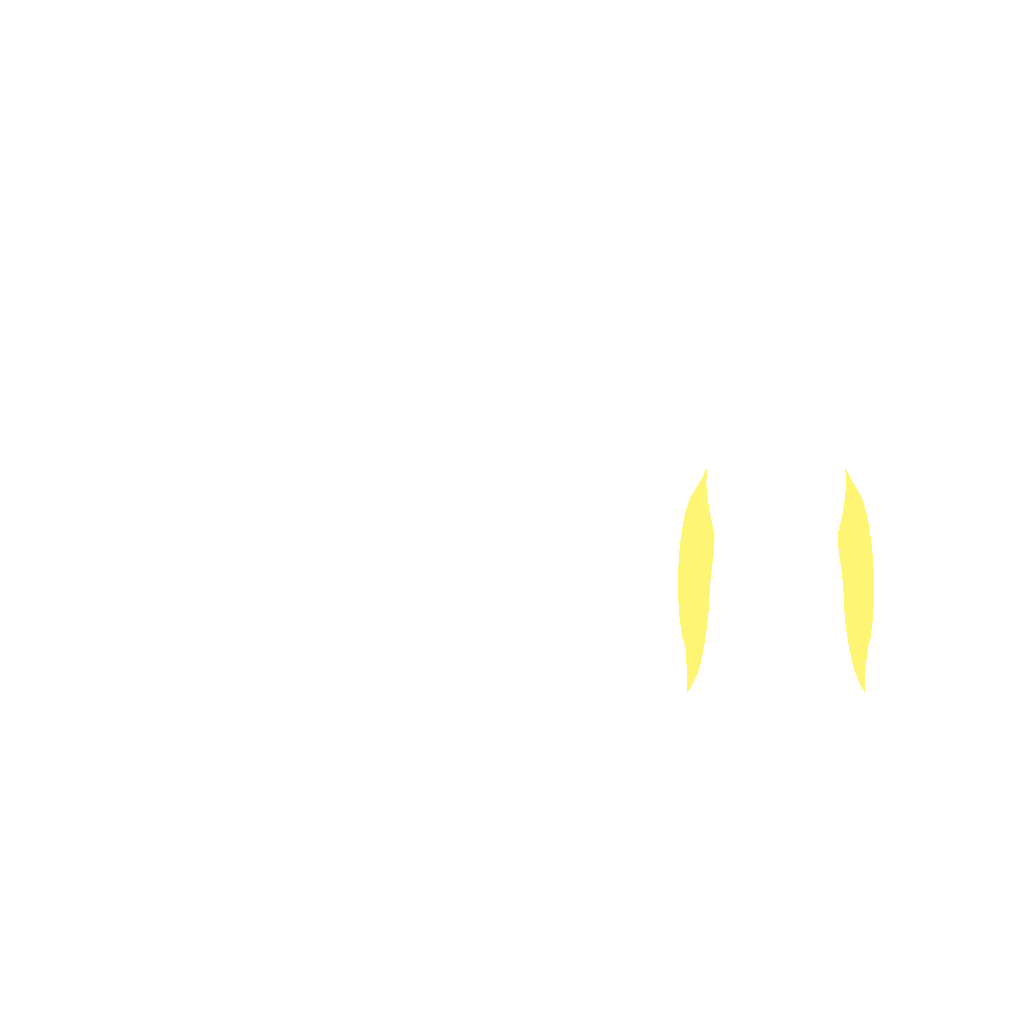


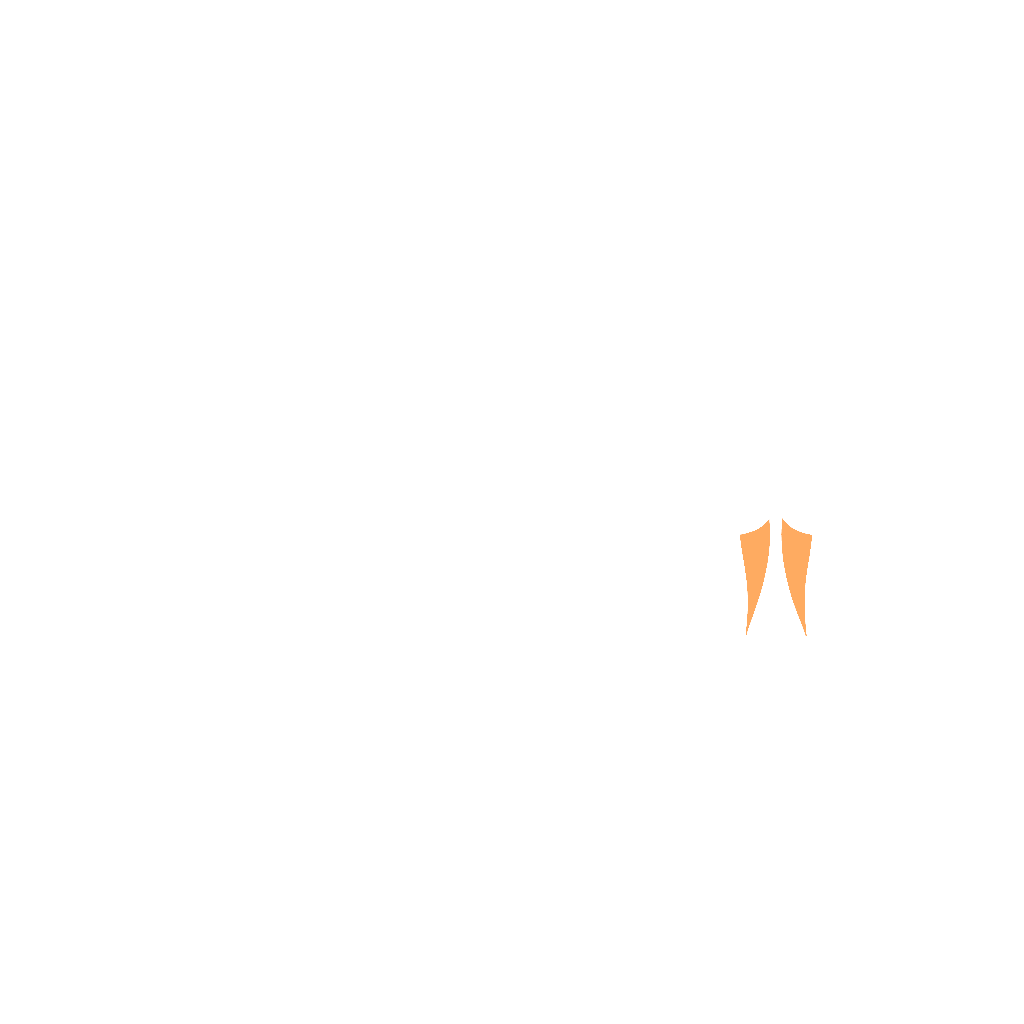
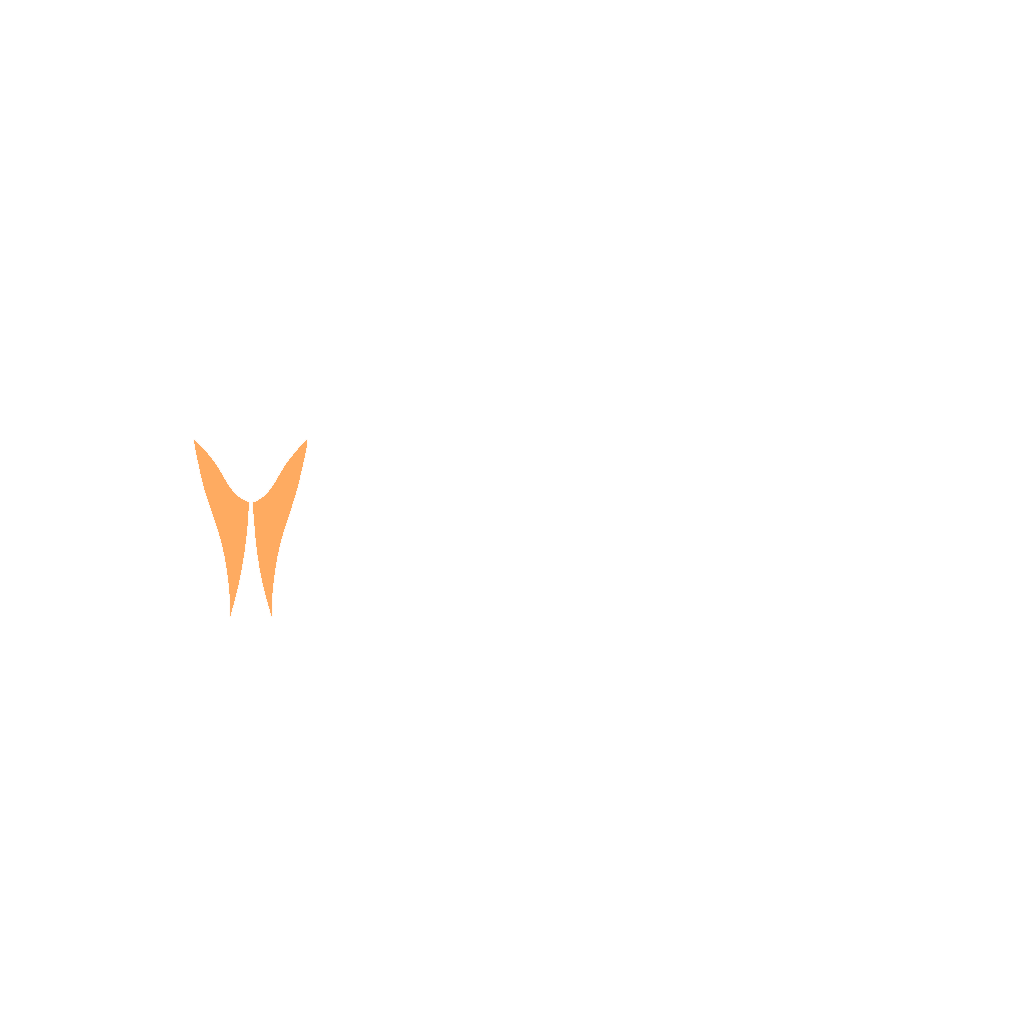


- Target
- Rectus Femoris, Vastus Lateralis
- Secondary
- Gluteus Maximus, Adductor Magnus, Adductor Longus
- Tertiary
- Erector Spinae, Biceps Femoris, Gluteus Medius
How to do it
- 1
Rack the bar high on the traps and unrack it as you would for a standard back squat.
- 2
Step out into a stance noticeably wider than your shoulders with the toes turned out.
- 3
Take a big breath, brace the core, and spread the floor with your feet.
- 4
Squat down between the legs, driving the knees out in line with the toes.
- 5
Descend until the thighs reach at least parallel while keeping the chest tall.
- 6
Drive through the mid-foot and squeeze the glutes to return to standing.
Tips
- Push the knees out to match the toe angle so the load stays on the hips and adductors.
- Set the toes and knees in the same line to keep the joints happy in the wide position.
- Find a width you can still hit depth in rather than going as wide as possible.
Variations
Common mistakes
- The stance gets copied from a low-bar powerlifting squat, but with the bar high on the traps that width leaves you fighting to stay upright. Come in a few inches from where a low-bar lifter stands.
- Width grows a little every session as the hips loosen, so no two workouts load the same thing. Settle on a stance, mark it against the boards or the rack, and keep it for a block.
- The hips get shoved back to reach depth out wide, and a squat that should travel between the legs becomes a hinge with a bar on your traps.
- Load carries straight over from your usual stance, but the adductors are on a much longer lever out here and they are the tissue that will be sore for days. Take a chunk off for the first few sessions.
- The chest drops as the eyes go to the floor, and a wide stance punishes that more than a narrow one, because the bar is already sitting further from the hips.
Frequently asked
- How many reps and how much weight for the wide-stance high-bar squat?
- Three or four sets of six to ten, with about 20 percent less than your usual stance until the inner thighs catch up, resting two minutes. It works as your main squat for a block of four to six weeks, or as a second leg movement on a day you have already squatted. Take the reps to the top of the range at a fixed width before adding weight, because widening the stance and adding load in the same week makes it impossible to tell which caused the soreness.
- How can I train the wide-stance high-bar squat pattern without a barbell?
- A sumo goblet squat with a dumbbell or kettlebell at the chest gives you the same wide, toes-out position under a lighter load. A wide-stance leg press or hack squat covers it on machines. At home, a wide bodyweight squat with a three-second descent, or a band looped over the shoulders and under both feet, gets the adductors working. If it is the bar on your traps rather than the stance that bothers you, a safety squat bar is the swap.
- What does a wide stance change about the squat?
- It brings the adductors and glutes into a lift that a hip-width stance leaves largely to the quads, and the wider base lets many people reach depth with less ankle range, which is why it often feels steadier. It suits taller lifters and anyone who wants more hip and inner-thigh work from a barbell. It is a poor choice if the front of your hip pinches at depth, since forcing width into a hip without that range is how groin strains happen, and it is not the stance for quad size, which a closer one builds better.
Related exercises
Other movements among FitRay's 2,000+ exercises that load the same target muscle — same equipment and level first.