Assisted Chin-Up
The assisted machine supports a chosen portion of your weight from a kneeling or standing platform, letting you train the full chin-up range before you can do them unassisted. The underhand grip lets the biceps share the load, so most people find it a friendly entry point to vertical pulling. Dial the assistance down over the weeks and it becomes a direct, measurable path from your first partial rep to a bodyweight chin-up.
- Equipment
- Machine
- Type
- Strength
- Browse by muscle
- Latissimus Dorsi
- Browse by movement
- Vertical Pull






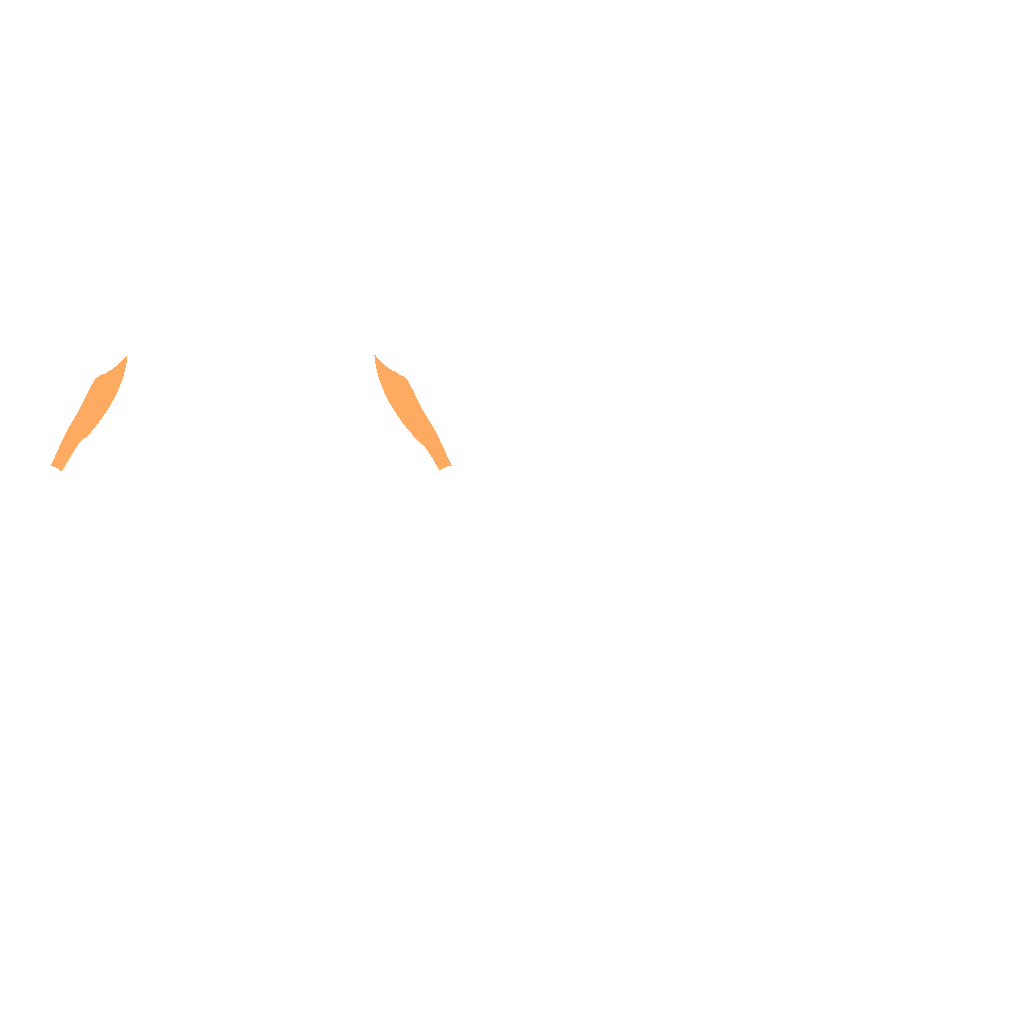
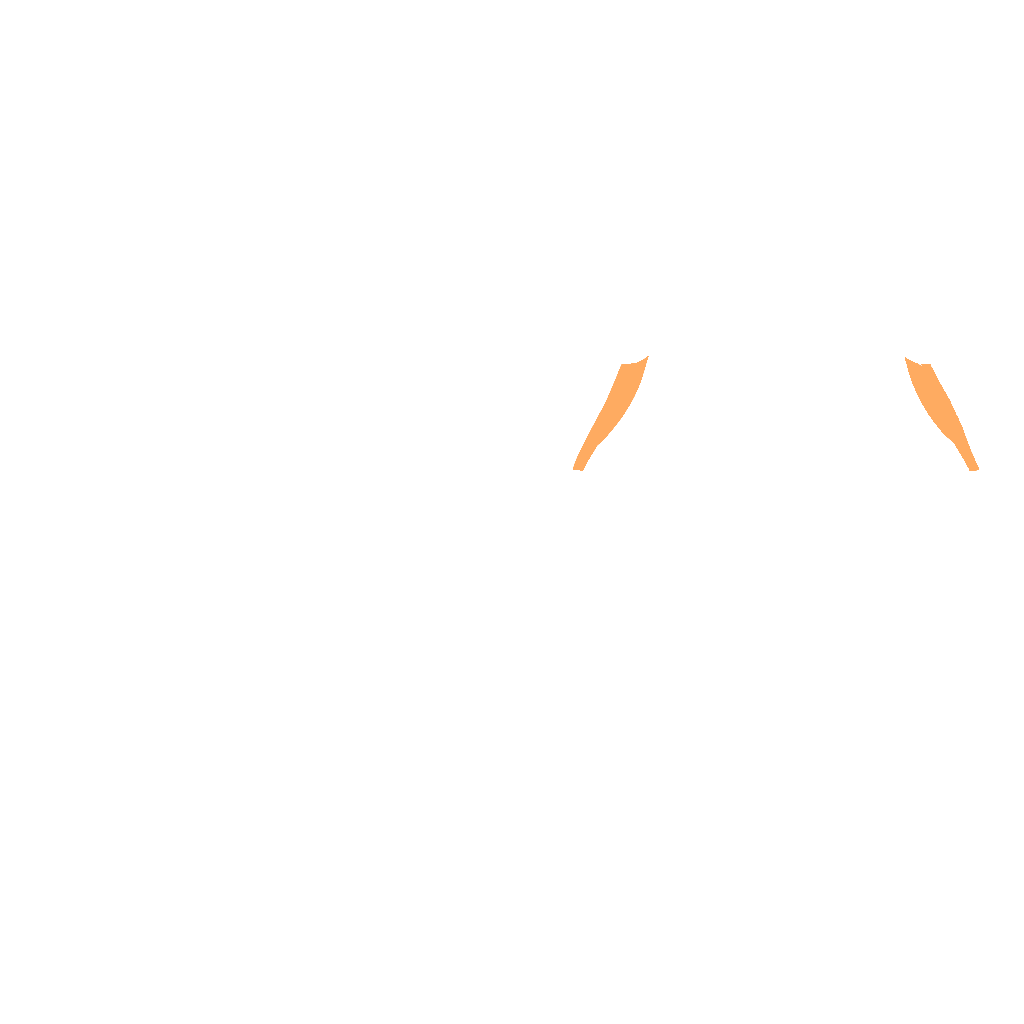



- Target
- Latissimus Dorsi
- Secondary
- Biceps Brachii Long Head, Biceps Brachii Short Head, Brachioradialis, Trapezius Lower, Trapezius Middle
- Tertiary
- Infraspinatus, Erector Spinae
How to do it
- 1
Set the assistance weight, then take a shoulder-width underhand grip on the handles.
- 2
Step or kneel onto the platform and let your arms straighten into a full hang.
- 3
Set the shoulder blades down and brace your midsection.
- 4
Pull yourself up by driving the elbows down until your chin clears the handles.
- 5
Lower under control until the arms are fully extended again.
- 6
Reduce the assistance gradually across sessions as you get stronger.
Tips
- Remember more assistance weight makes the lift easier, so lower it as you progress.
- Lead with the shoulder blades and elbows so the lats work before the biceps.
- Keep the body vertical and avoid pushing hard through the platform with the legs.
Variations
Common mistakes
- Bouncing your knees on the pad at the bottom so it throws you into the next rep. Let the pad settle, take a moment at a full hang, then pull.
- Letting the knees drift forward or back so the pad swings and you rock through each rep. Keep the pad still underneath you and the body vertical.
- Logging the reps without the assistance setting. Twelve reps at 40 kg of help and twelve at 20 kg are different achievements, so write down both, along with your bodyweight, or you cannot tell whether you are progressing.
- Stepping off while the pad is still up at the top. Lower yourself to a full hang, let the pad come to rest, then get off it.
Frequently asked
- How much assistance should I use on the assisted chin-up, and how many sets?
- Set the assistance so three sets of six to eight reps are genuinely hard by the last rep rather than comfortable. Reduce it by the smallest plate once you reach eight on all three sets, and expect to lose about two reps each time you do; that drop is the sign it is working. Every few weeks, try a single unassisted rep on a bar to see where you stand. Two sessions a week is enough.
- What can I do instead of the assisted chin-up machine at home?
- Loop a resistance band over a pull-up bar and put a knee or foot in it: the band helps most at the bottom and least at the top, unlike the machine's steady help, but it is the closest home substitute. A chair under the bar lets you assist with one leg. Failing that, slow lowering reps from the top plus ring rows or inverted rows build the same strength with no assistance hardware at all.
- Who is the assisted chin-up for, and when should I stop using it?
- It is for anyone working toward a first chin-up and for beginners who want real vertical pulling volume without a diet of half reps. It is also useful for training the movement when you are tired, since the assistance absorbs a bad day. Stop using it once you can do around eight strict bodyweight chin-ups: past that the platform is holding you steady and doing part of the stabilizing you now want to train yourself. Move to bodyweight sets, then to added weight.
Related exercises
Other movements among FitRay's 2,000+ exercises that load the same target muscle — same equipment and level first.
- BeginnerAssisted Neutral-Grip Pull-UpMachine · Biceps · Lats
- BeginnerAssisted Pull-UpMachine · Back · Lats
- BeginnerHigh Row MachineMachine · Back · Lats
- BeginnerIso-Lateral Machine PulldownMachine · Back · Lats
- BeginnerIsometric Lat Pulldown HoldCables · Machine · Back
- BeginnerMachine PulloverMachine · Back · Lats