Assisted Neutral-Grip Pull-Up
The counterweighted machine offloads part of your bodyweight so you can groove full-range vertical pulling reps before you own an unassisted pull-up. The neutral grip is easy on the shoulders and elbows and gives the biceps and brachioradialis a strong assisting role. Dial the assistance down over weeks as you get stronger.
- Equipment
- Machine
- Type
- Strength
- Browse by muscle
- Latissimus Dorsi
- Browse by movement
- Vertical Pull





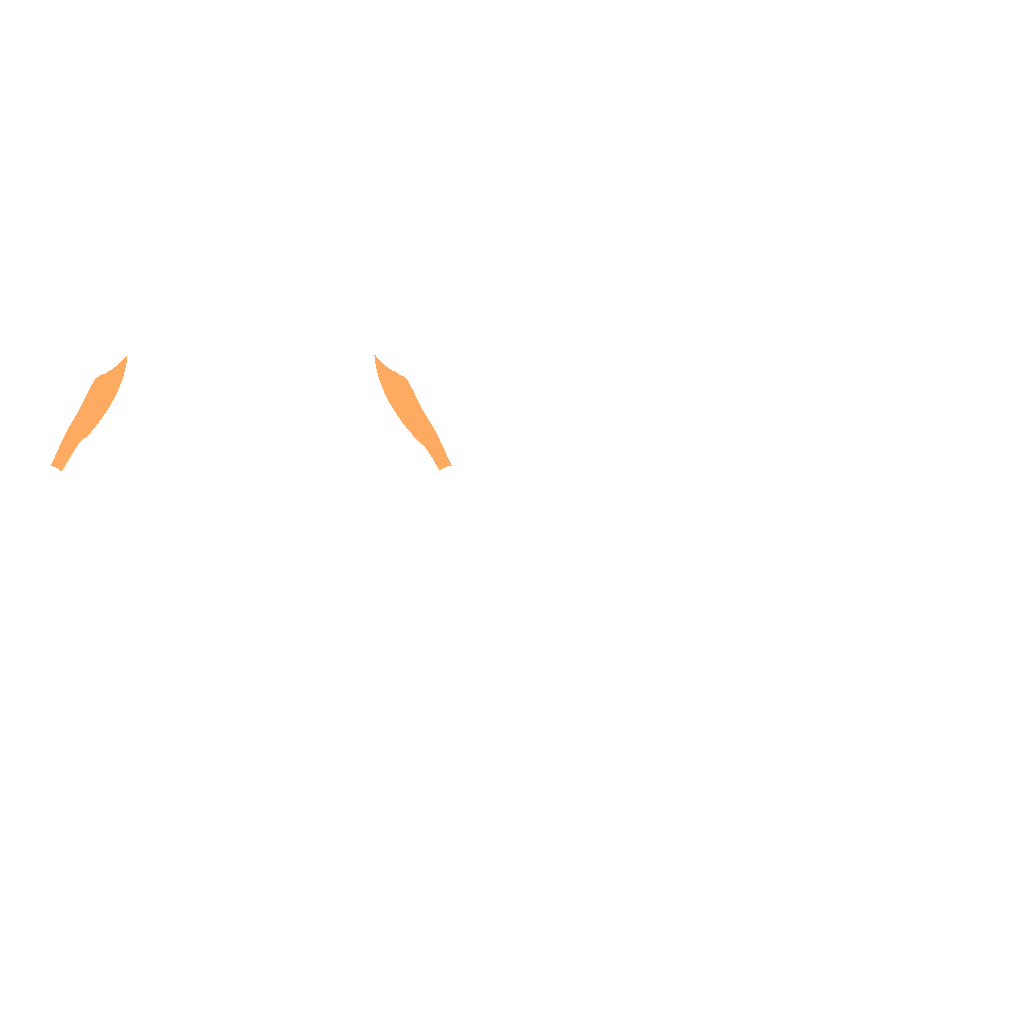
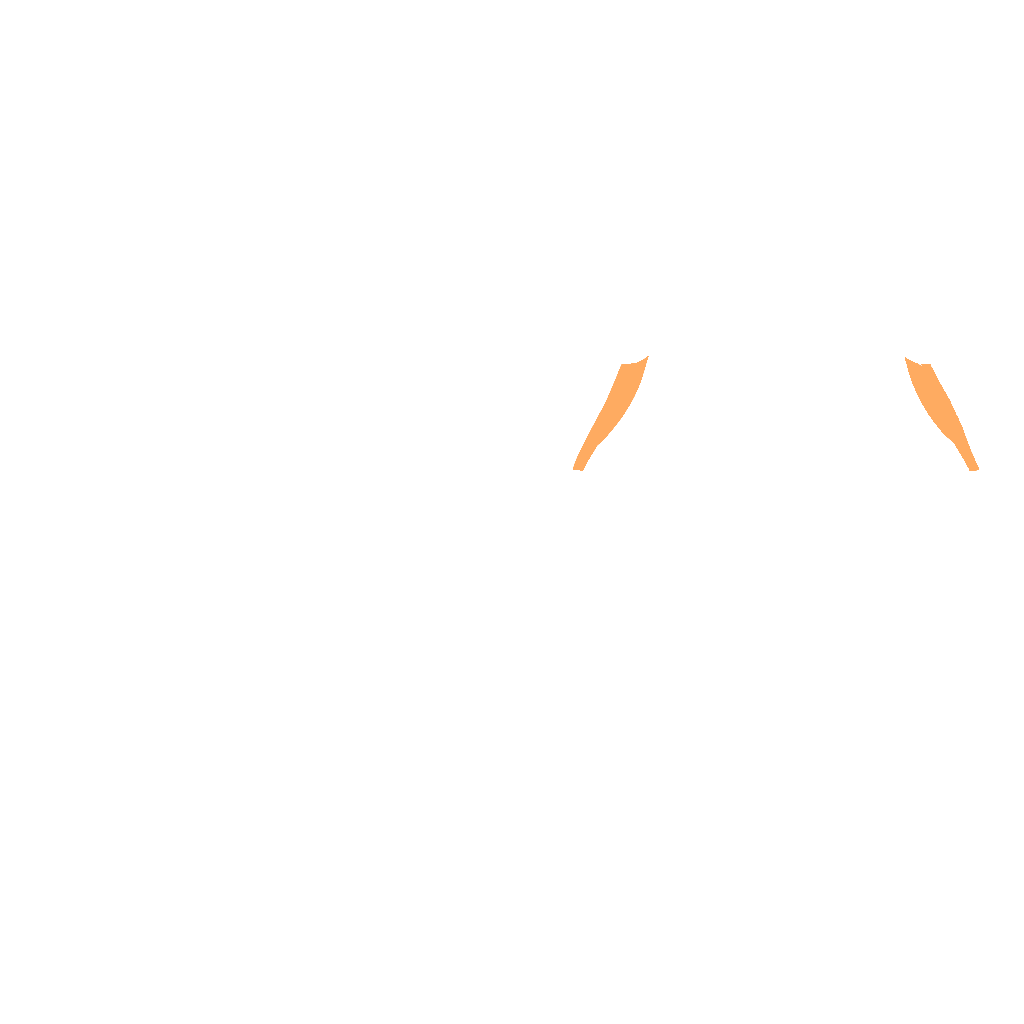


- Target
- Latissimus Dorsi
- Secondary
- Biceps Brachii Long Head, Brachioradialis, Trapezius Lower
- Tertiary
- Deltoid Posterior, Trapezius Middle
How to do it
- 1
Set the assist weight on the machine, then kneel or stand on the platform.
- 2
Take the neutral, palms-facing handles with straight arms and a tall chest.
- 3
Set your shoulders down and away from your ears before you pull.
- 4
Pull your chest toward the handles by driving your elbows down and back.
- 5
Lower yourself under control until your arms are fully extended.
- 6
Reduce the assistance gradually as the movement becomes easy.
Tips
- More assist weight makes it easier; start where you can do clean full reps.
- Avoid bouncing off the bottom; own the full stretch each rep.
- Lead with the elbows rather than yanking with the hands.
Variations
Common mistakes
- The pad is loaded with so much assistance that the machine lifts you; if fifteen reps go by without slowing, take plates off until eight to ten is genuinely hard.
- Stepping onto the pad while the stack is up drops it hard and jolts your knees; hold the handles and lower yourself onto the pad under control.
- Both knees are not settled before the first rep, so you shuffle around and the amount of help changes partway through the set.
- The assistance stays at the same number for months because the reps feel good there; take a plate off as soon as you finish a set with two reps left in you.
- The hips swing forward at the top so the pad pushes you through the last few inches, which lets the machine finish reps your back did not.
Frequently asked
- How many assisted neutral-grip pull-ups should a beginner do?
- Dial the assistance so the last two of eight to ten reps are a real fight, then do three sets at that setting. When you hit ten on all three, take about 5 kg of help off and start again at eight. Twice a week is plenty: the back recovers quickly, but the elbows take longer.
- What can I do instead of the assisted neutral-grip pull-up machine?
- Put one knee or foot into a band looped over the bar for the same offload; a band helps most at the bottom, which is where you are weakest. Standing on a box, jumping to the top and lowering over five seconds also builds the same strength with no machine at all.
- What is the assisted neutral-grip pull-up for, and when should I move on from it?
- It exists so you can train the full pull-up range before you can hold your own weight, building the lats, the grip and the pattern together. Move on once you can do five or six clean unassisted reps, because past that the machine's steady help no longer matches where you actually struggle, and bands or slow lowers serve you better. It is a tool for taking load away, never for adding it.
Related exercises
Other movements among FitRay's 2,000+ exercises that load the same target muscle — same equipment and level first.