Iso-Lateral Machine Pulldown
Hammer-style iso-lateral machines fix the movement path and support the chest, which lets you switch off balance and stability worries and pour effort straight into the lats. Because each arm loads on its own lever, the weaker side cannot coast off the stronger one, making this a smart tool for evening out imbalances. The stable base makes it ideal for beginners and for high-rep, deep-burn finishing sets.
- Equipment
- Machine
- Type
- Strength
- Browse by muscle
- Latissimus Dorsi
- Browse by movement
- Vertical Pull






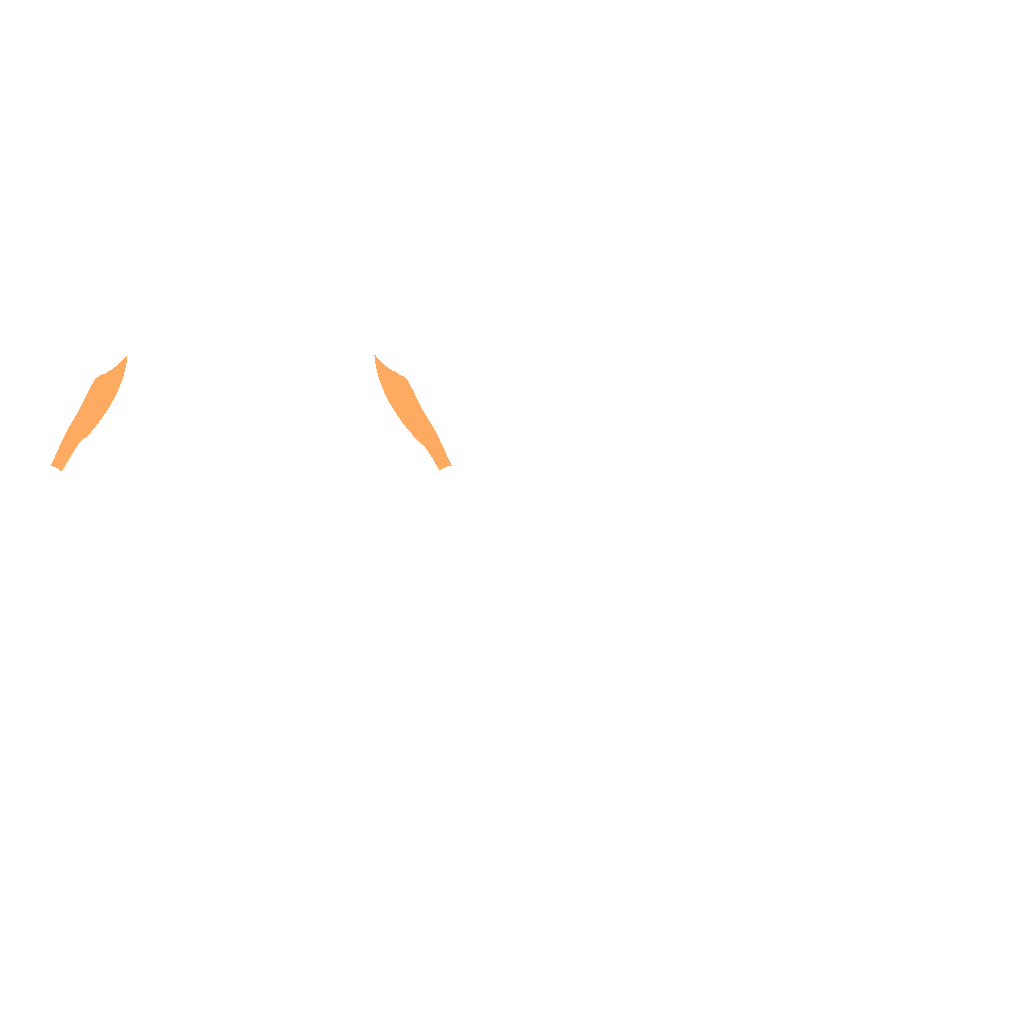
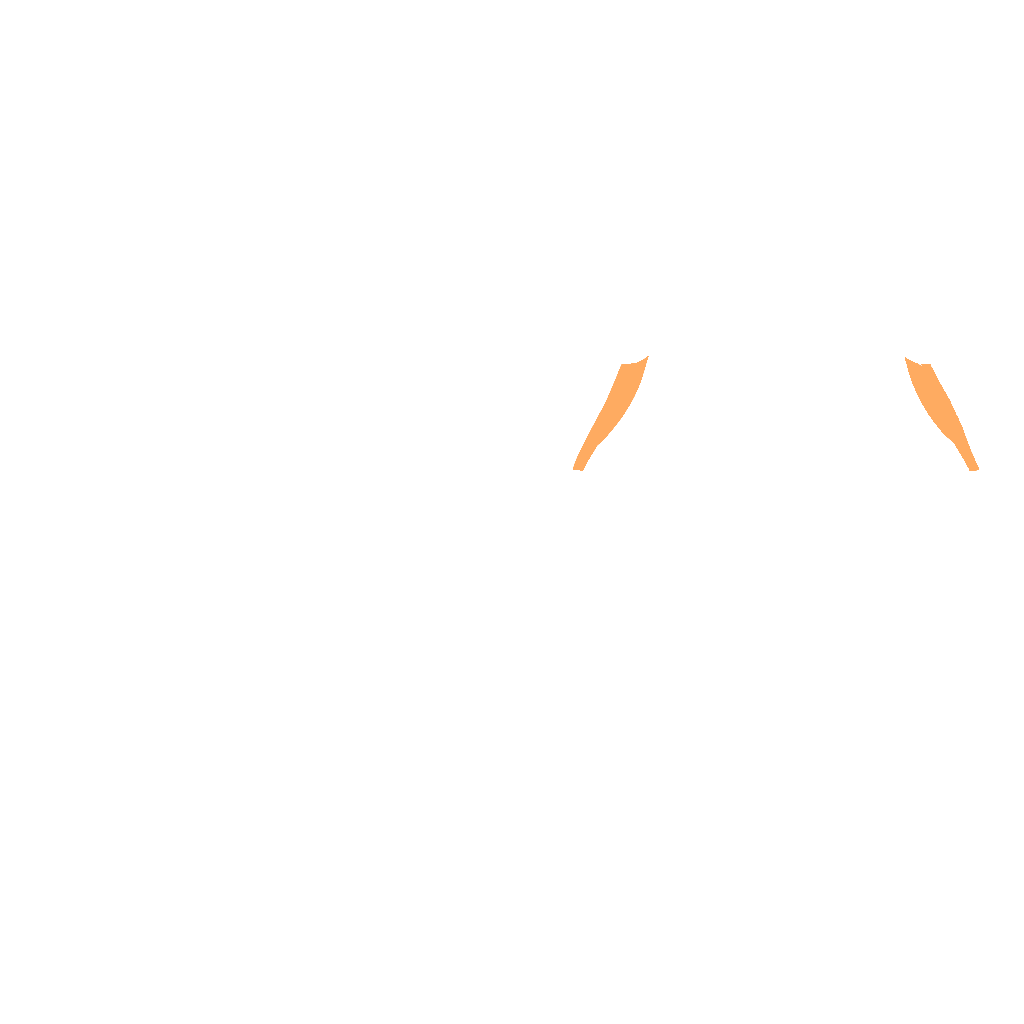



- Target
- Latissimus Dorsi
- Secondary
- Biceps Brachii Long Head, Biceps Brachii Short Head, Brachioradialis, Trapezius Lower, Trapezius Middle
- Tertiary
- Infraspinatus, Deltoid Posterior
How to do it
- 1
Adjust the seat so the handles sit at full overhead reach and your chest meets the pad.
- 2
Grip the handles, settle your torso against the support, and set the shoulders down.
- 3
Pull both handles down and in by driving the elbows toward your ribs.
- 4
Squeeze the lats at the bottom without leaning back or heaving.
- 5
Let the handles rise slowly until the arms are straight and the lats stretch.
- 6
Breathe out on the pull and in on the return, keeping the chest glued to the pad.
Tips
- Train one arm at a time now and then to expose and fix any strength gap.
- Do not let the weight yank the arms up, own the eccentric on every rep.
- Keep the wrists neutral and relaxed so the back, not the grip, is the limiting factor.
Variations
Common mistakes
- The seat is set too high, so the arms never reach full extension and the top third of the pull, where the lat stretches, is missing from every rep.
- Pulling the elbows out wide rather than down toward the ribs sends the work to the upper back and rear delts and leaves the lats undertrained.
- Both handles get pulled at once with the stronger side leading by an inch, which is exactly the imbalance an independent-lever machine exists to expose.
- The chest peels off the support pad and the torso rocks back to finish, which brings in the low back and shortens the distance the lat travels.
- Hands squeeze and the elbows curl in, so the biceps finish what the lat should, and the arms give out two reps before the back does.
Frequently asked
- How many sets and reps of the iso-lateral machine pulldown should a beginner do?
- Three sets of 10 to 12 with both arms, then one set of 8 on your weaker arm alone. The independent levers make single-arm work easy, so use them: run the weak side first and match the strong side to it. Add a plate when 12 reps stay controlled on every set, and hold the bottom for a beat before you add load.
- What can I use instead of the iso-lateral machine pulldown?
- A standard cable lat pulldown covers the same movement; swap to a single D-handle to keep the one-arm-at-a-time benefit. At home, anchor a band over a door and pull down one arm at a time, kneeling so the line of pull stays overhead. If you have a bar, band-assisted pull-ups train the same lats using your own bodyweight.
- What is the iso-lateral machine pulldown good for?
- It is a beginner-friendly lat builder and a good tool for closing a left-to-right strength gap, because the weak side cannot borrow from the strong one. It also suits high-rep finishing sets when your grip and lower back are spent. It is not the right lift if your goal is a pull-up, since the chest pad removes the trunk work that hanging demands.
Related exercises
Other movements among FitRay's 2,000+ exercises that load the same target muscle — same equipment and level first.
- BeginnerAssisted Chin-UpMachine · Biceps · Lats
- BeginnerAssisted Neutral-Grip Pull-UpMachine · Biceps · Lats
- BeginnerAssisted Pull-UpMachine · Back · Lats
- BeginnerHigh Row MachineMachine · Back · Lats
- BeginnerIsometric Lat Pulldown HoldCables · Machine · Back
- BeginnerMachine PulloverMachine · Back · Lats