Battle Rope Snake
The snake trains the shoulders through horizontal abduction and adduction rather than the vertical plane of standard waves, so it lights up the delts and pecs from a fresh angle while the core resists rotation. It is a great conditioning finisher and a shoulder-endurance builder for lifters and field athletes. Keep the hips low and let the arms, not the trunk, do the moving.
- Equipment
- Rope
- Type
- Cardio, Strength
- Browse by muscle
- Deltoid Anterior, Deltoid Middle, Deltoid Posterior
- Browse by movement
- Horizontal Press, Horizontal Pull





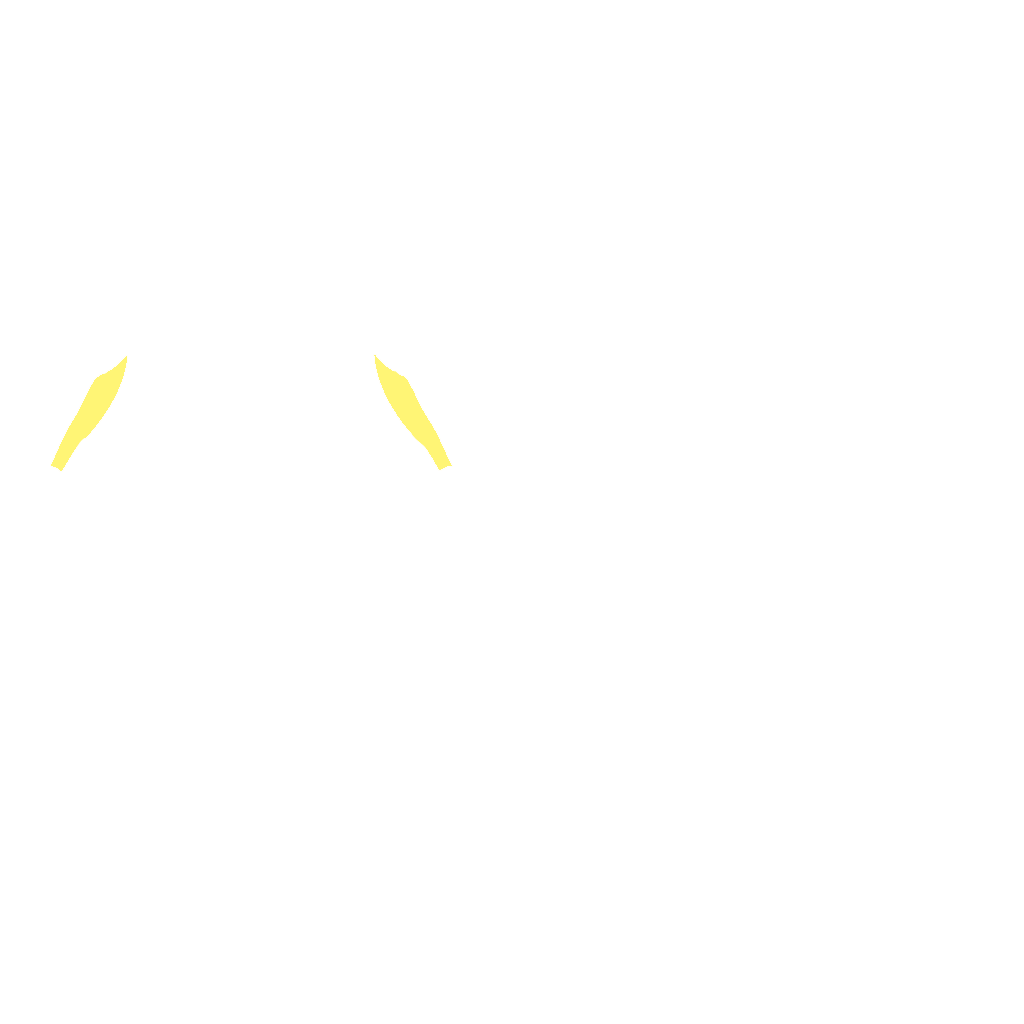
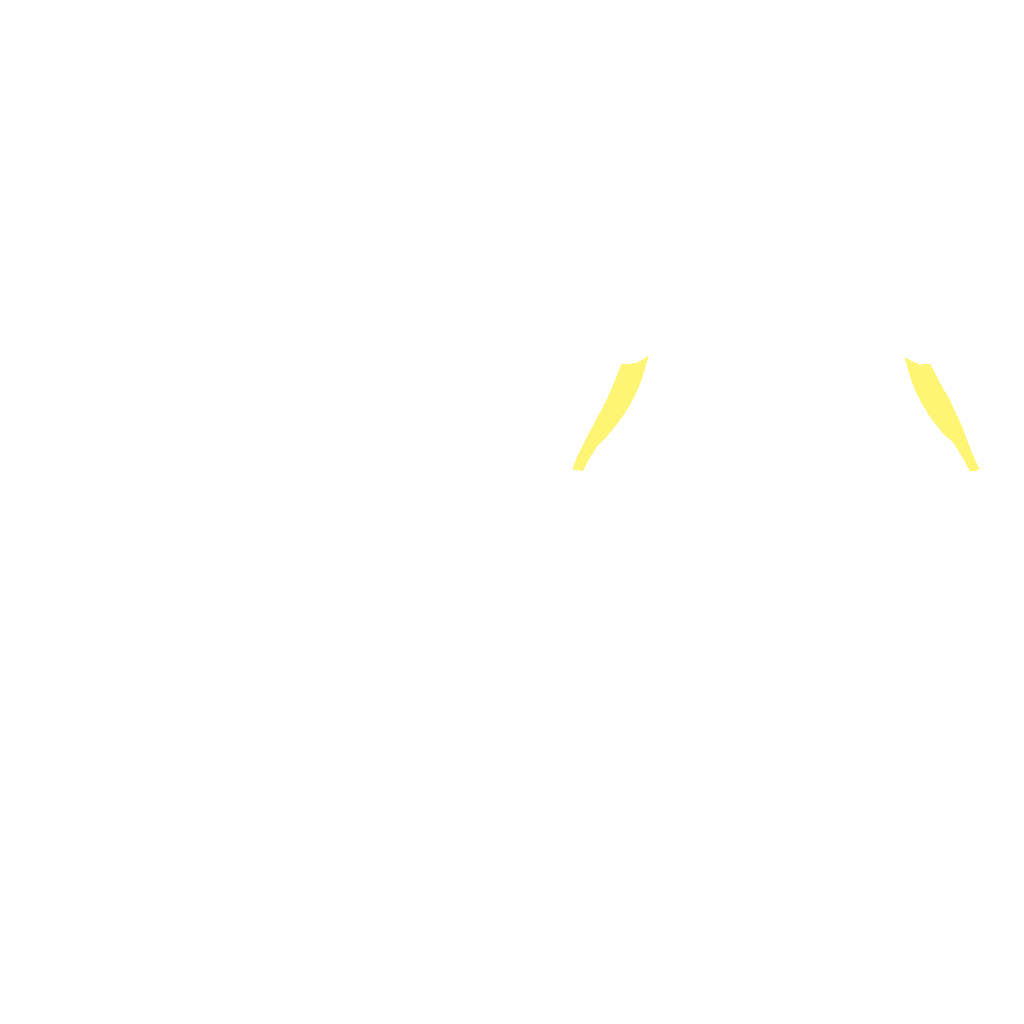
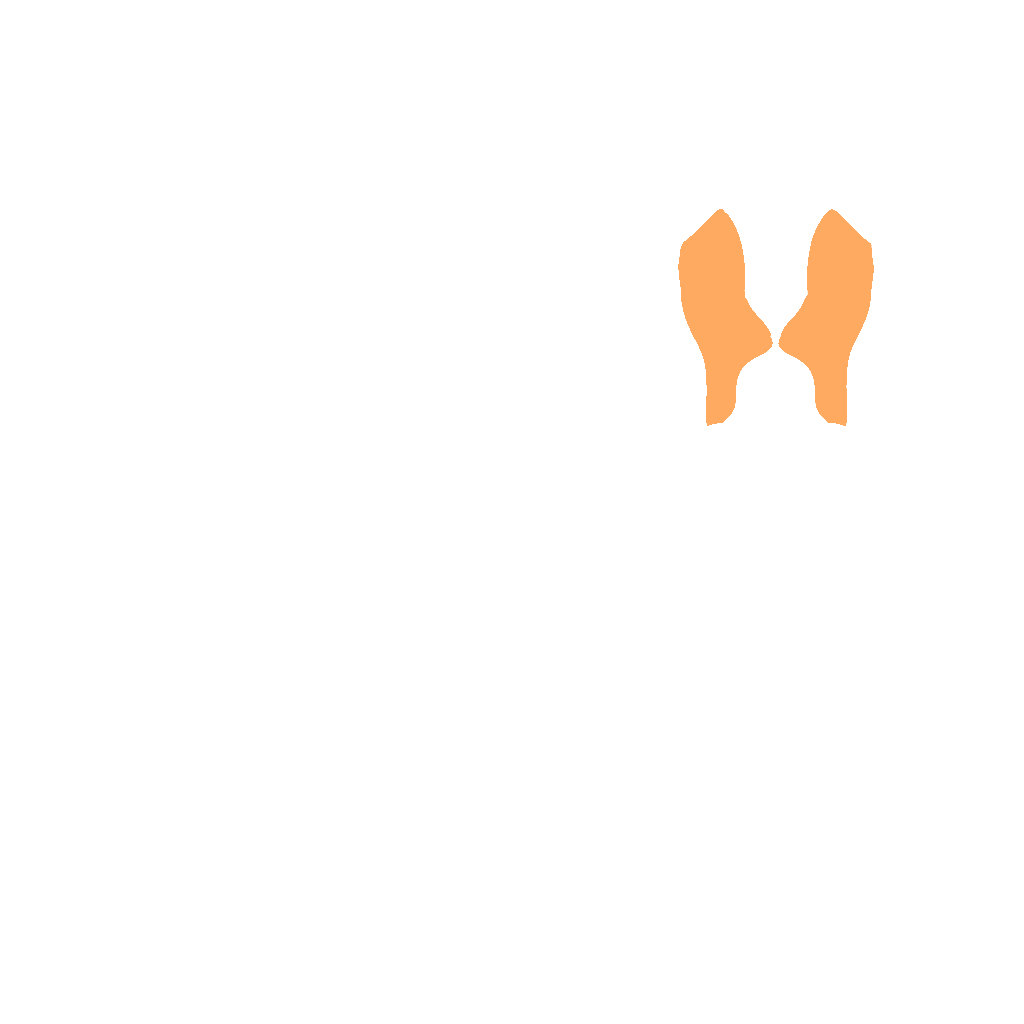
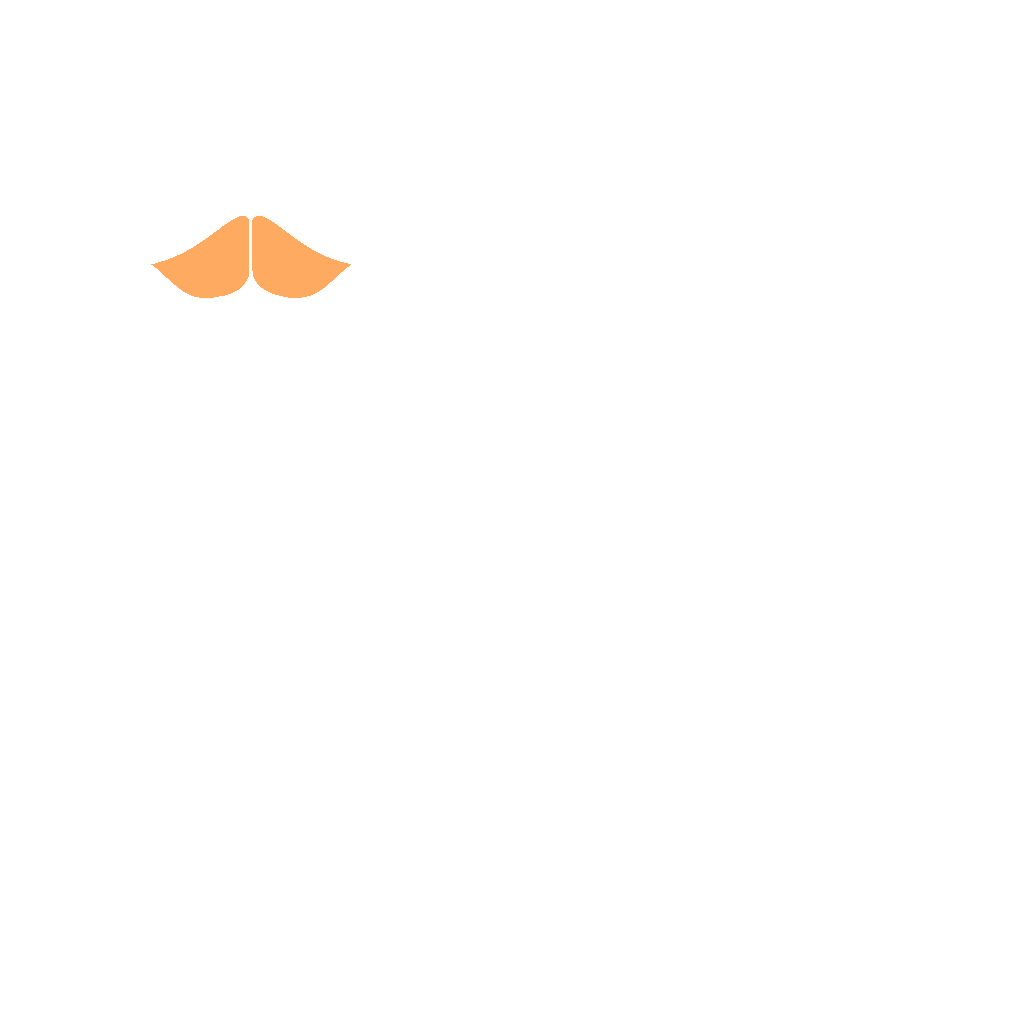



- Target
- Deltoid Anterior, Deltoid Middle, Deltoid Posterior
- Secondary
- Latissimus Dorsi, Pectoralis Major Sternocostal, Abdominal External Oblique
- Tertiary
- Erector Spinae, Trapezius Upper, Brachioradialis
How to do it
- 1
Anchor the rope and hold one end in each hand with a slight bend in the knees and hips.
- 2
Drop into a quarter-squat with a flat back and brace your core.
- 3
Sweep both arms out wide and away from each other so the ropes slide outward along the floor.
- 4
Reverse smoothly and pull both arms back toward the midline without letting the ropes go slack.
- 5
Keep the wide-in, wide-out rhythm continuous for the prescribed work interval.
- 6
Exhale on each outward sweep and stay tall through the chest.
Tips
- Keep your elbows soft and drive the motion from the shoulders, not the wrists.
- Stay in your athletic stance the whole set instead of standing up as you fatigue.
- Grip the rope firmly but avoid crushing it, which burns out the forearms too early.
Variations
Common mistakes
- The stance rises out of the quarter-squat as the legs tire, which strips away the stable base the arms are supposed to sweep against.
- The ropes lift off the floor and arc through the air instead of sliding along it, turning the sweeping snake pattern into a regular wave.
- Slack creeps into the ropes at the inward pull instead of staying taut the whole way, so the reversal loses tension right before it needs it most.
- Crushing the rope ends in a death grip burns out the forearms long before the shoulders are actually done with the set.
- The wrists snap the sweep out and back instead of the shoulders doing the driving, wearing down the wrists faster than the target muscles.
- Standing tall through the chest gets abandoned as fatigue builds, letting the upper back round forward for the second half of the interval.
Frequently asked
- How long should you do the battle rope snake for when you are new to the exercise?
- Start with 4 to 5 rounds of 15 to 20 seconds of continuous sweeps, resting 30 to 45 seconds between rounds so the quarter-squat stance holds up for the whole interval. Extend the work interval toward 30 seconds before adding rounds, and cut the round short if the stance starts rising.
- What can I use instead of battle ropes for the snake pattern?
- A pair of light resistance bands anchored low and swept the same way out to the sides trains a similar horizontal shoulder pattern. Fast, wide arm sweeps with empty hands from the same quarter-squat stance still burn out the shoulders if no equipment is available.
- What is the battle rope snake good for, and when should I skip it?
- It trains the shoulders through horizontal abduction and adduction from a fresh angle while the held squat conditions the legs at the same time, making it a solid finisher for lifters and field athletes. Skip it, or shorten the interval, if your legs are already fried from squats or lunges earlier in the session, since holding the stance is half the exercise.
Related exercises
Other movements among FitRay's 2,000+ exercises that load the same target muscle — same equipment and level first.
- IntermediateBattle Rope In-and-OutRope · Chest · Shoulder
- IntermediateCable High PullCables · Rope · Shoulder
- IntermediateSled Rope Face PullRope · Sled · Back
- IntermediateTRX High RowTRX · Back · Shoulder
- IntermediateCable Rear Delt FlyCables · Shoulder
- IntermediateCable Rope Rear-Delt RowCables · Shoulder