Behind-the-Neck Lat Pulldown
Pulling the bar behind the head keeps the arms in the same plane as the torso, which recruits the mid and lower traps alongside the lats and forces the scapulae to retract hard. It only makes sense for lifters with healthy, mobile shoulders, since the externally rotated position stresses the joint if you lack the range. Use it as an accessory for upper-back detail, never as a max-effort lift.
- Equipment
- Cables
- Type
- Strength
- Browse by muscle
- Latissimus Dorsi
- Browse by movement
- Vertical Pull








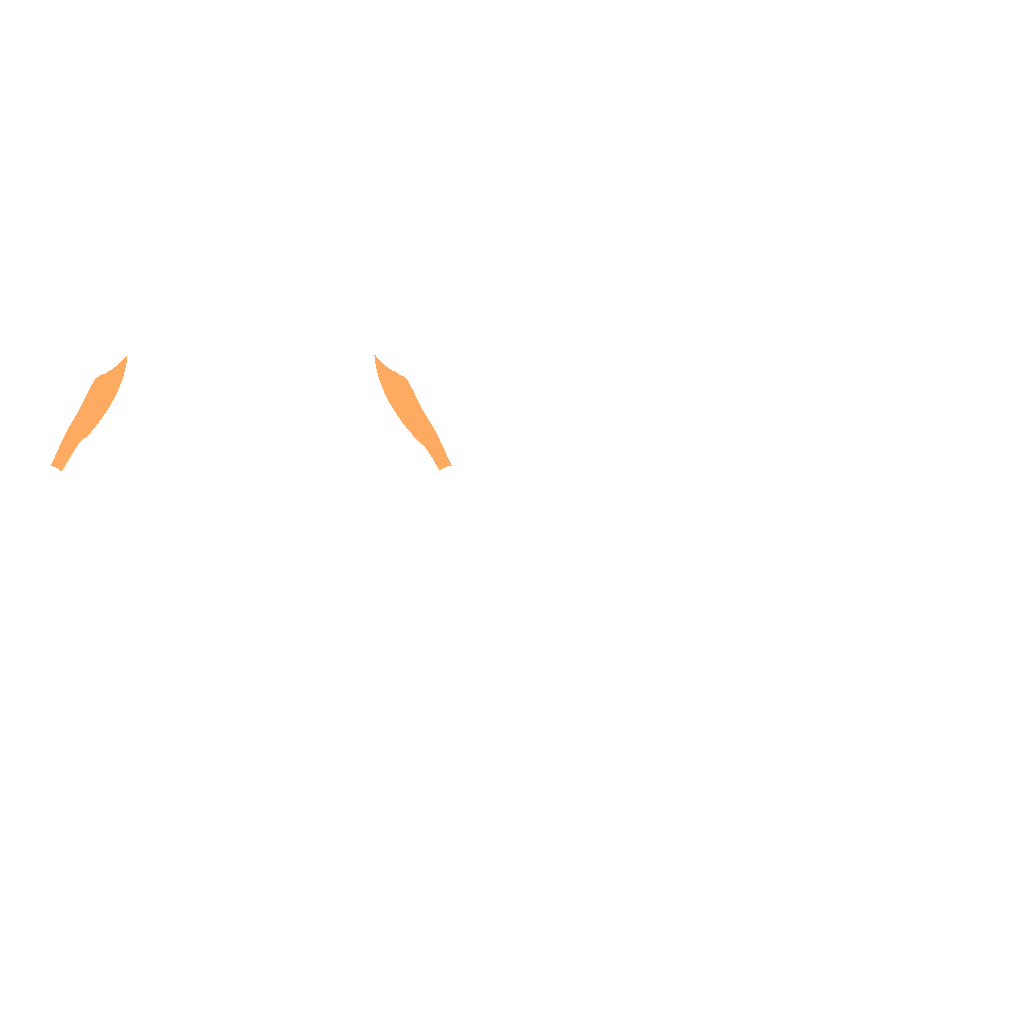
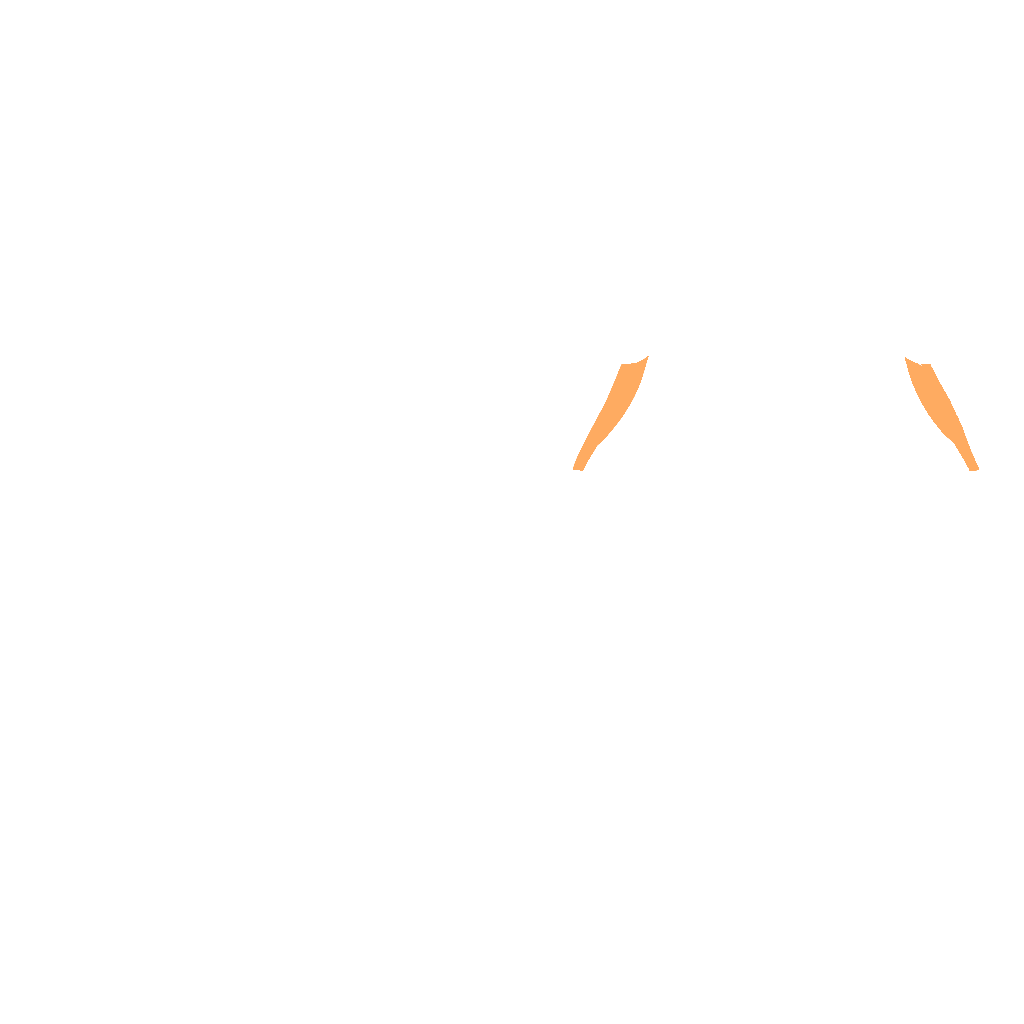



- Target
- Latissimus Dorsi
- Secondary
- Biceps Brachii Long Head, Biceps Brachii Short Head, Brachioradialis, Trapezius Lower, Trapezius Middle
- Tertiary
- Deltoid Posterior, Infraspinatus, Trapezius Upper
How to do it
- 1
Set a wide overhand grip on the bar and sit with the thigh pad locked over your legs.
- 2
Tuck your chin and lean your torso very slightly forward to clear a path for the bar.
- 3
Brace your abs and pull the bar down behind your head to the top of your traps by driving the elbows straight down.
- 4
Pause briefly and squeeze the shoulder blades together at the bottom.
- 5
Let the bar rise under control until the arms are fully extended and the lats are stretched.
- 6
Exhale on the pull, inhale on the return, and stop the set if the shoulders feel pinched.
Tips
- Keep the load light to moderate, this is a feel and control exercise, not a strength test.
- Only lower the bar as far as your shoulder mobility allows without shrugging or losing the brace.
- If you feel any grinding or pinching in the front of the shoulder, switch to a front pulldown instead.
Variations
Common mistakes
- The chin gets jammed hard into the chest to make room, which trades a shoulder problem for a neck one; the space has to come from the shoulders, and if it is not there, this is not your movement.
- The bar touches down on the bones at the base of the neck rather than the muscle across the top of the traps, and on a heavier set that contact is enough to leave a bruise.
- The slight forward lean grows into a full hunch as the set goes on, so the bar clears the head by rounding the upper back instead of by opening the shoulders.
- The return is where the joint is most exposed, and a bar allowed to rip the arms back overhead drags the shoulder into its end range at speed; take three seconds coming up.
- This becomes someone's only vertical pull because it feels novel; keep the bulk of your pulldown volume in front of the head and give this two or three sets at most.
Frequently asked
- How many sets and reps of the behind-the-neck lat pulldown are sensible?
- Treat it as light accessory work: 2 or 3 sets of 10 to 15, never near failure, and only after the front pulldowns or rows that carry the real load. Before you use it at all, sit tall and hold a broomstick behind your head with the elbows at ninety degrees; if that is not available without the ribs flaring or the shoulders complaining, the movement is not for you yet. Progress by adding a rep or a pause rather than a plate, and stop the set the moment the shoulders feel pinched.
- What can I do instead of the behind-the-neck lat pulldown?
- A front pulldown with a wide grip covers most of the same muscles with none of the shoulder demand, which is the usual answer. For the mid and lower traps specifically, pair a front pulldown with face pulls or a straight-arm pulldown, or use a chest-supported row with the elbows flared out. If what you like is how hard it makes you retract, a wide-grip seated cable row pulled to the sternum gives that feeling in a position the shoulder tolerates better.
- Who is the behind-the-neck lat pulldown for, and who should avoid it?
- It suits experienced lifters with genuinely mobile, healthy shoulders who want the mid and lower traps working alongside the lats, and it is an accessory for upper-back detail rather than a lift to load heavily. Avoid it if you have any shoulder history, if you cannot get your hands overhead without arching the low back, or if you feel grinding at the front of the shoulder in the position. The overhead, externally rotated position stresses the joint when your range is short, and there is nothing here that a front pulldown plus rear-delt work will not also give you.
Related exercises
Other movements among FitRay's 2,000+ exercises that load the same target muscle — same equipment and level first.