Gironda Lat Pulldown
Named for the classic bodybuilding coach, this pulldown has you lean back sharply and draw the bar to the bottom of the sternum, arching the upper back to wrap the lats around the rib cage. The pronounced lean changes the line of pull so the lower fibers of the lats and the scapular depressors work harder than in a standard front pulldown. It is an advanced shaping tool that rewards strict control and a genuine focus on the squeeze.
- Equipment
- Cables
- Type
- Strength
- Browse by muscle
- Latissimus Dorsi
- Browse by movement
- Vertical Pull







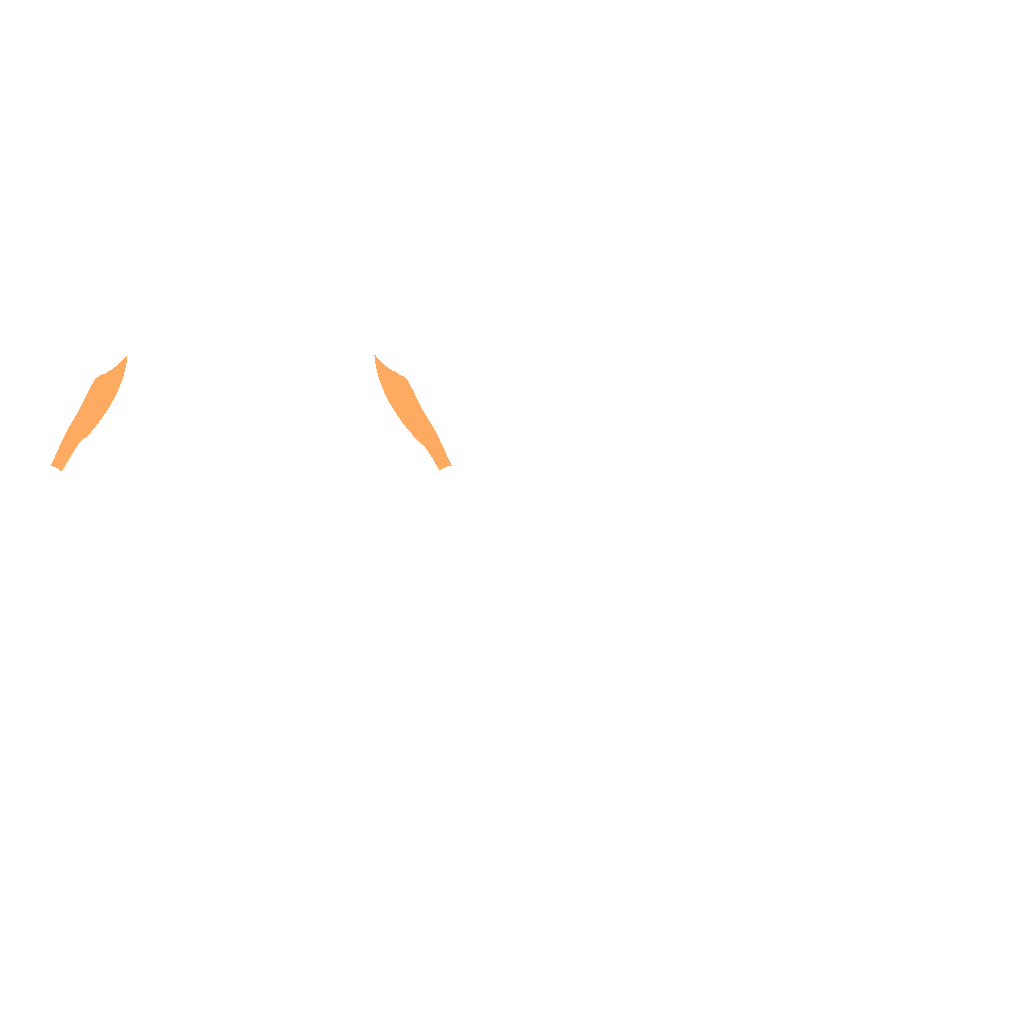
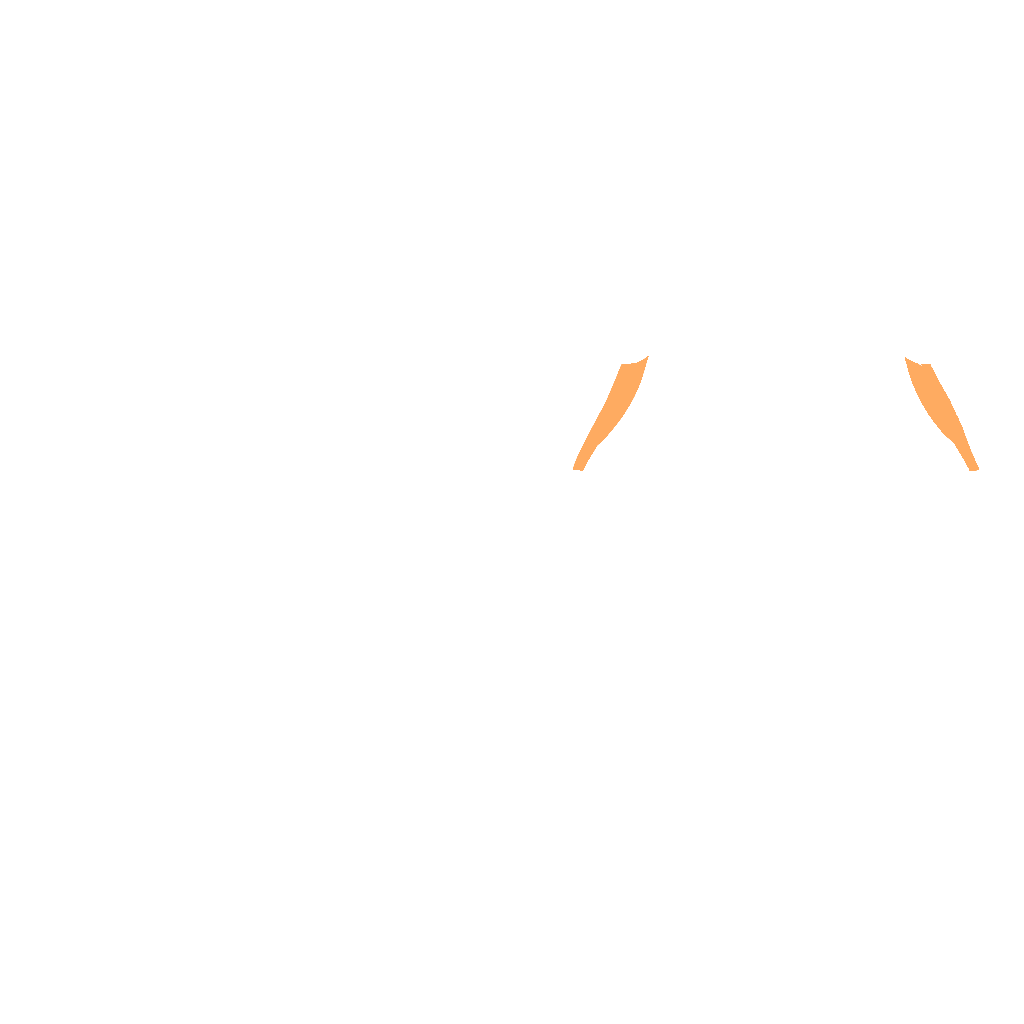



- Target
- Latissimus Dorsi
- Secondary
- Biceps Brachii Long Head, Biceps Brachii Short Head, Brachioradialis, Trapezius Lower, Trapezius Middle
- Tertiary
- Infraspinatus, Deltoid Posterior, Erector Spinae
How to do it
- 1
Take a shoulder-width overhand grip and lock your thighs firmly under the pad.
- 2
Lean the torso back to roughly forty-five degrees and lift the chest tall.
- 3
Set the shoulder blades down and pull the bar toward the lower sternum.
- 4
Drive the elbows down and back, arching the upper back as the bar approaches the chest.
- 5
Pause and squeeze the lats hard at the bottom of the pull.
- 6
Return the bar smoothly overhead while holding the backward lean and torso angle.
Tips
- Fix the lean before the first rep and hold it, do not rock to build momentum.
- Aim the bar low, at the sternum, and think about pulling your elbows to your back pockets.
- Keep the weight honest, chasing the squeeze matters more than the number on the stack.
Variations
Common mistakes
- A forty-five degree lean pulls the body upward far harder than an upright position does, so a loose thigh pad has you rising out of the seat on every rep; clamp it down before you set the lean.
- The lean gets made by sliding the hips forward and arching the low back, rather than by tipping the whole torso back from the hips as one piece.
- The upper-back arch is meant to be a small opening of the chest, not a backbend; ribs flaring toward the ceiling load the low back and take the lats out of the movement.
- A wide grip gets carried over from the standard pulldown, and then the elbows cannot travel far enough behind you to bring the bar to the sternum; shoulder width is what makes this version work.
Frequently asked
- How many sets and reps of the Gironda lat pulldown should I do?
- Two or three sets of 10 to 12, placed after your heavier vertical pulling rather than at the start of a session, with a one-second squeeze at the bottom of every rep. The load sits well below your normal pulldown, because the lean and the low bar path leave the lats with no help from anywhere else. Progress by holding the squeeze longer or adding a rep before you touch the pin, and drop the weight the day the lean starts changing mid-set.
- What can I do instead of the Gironda lat pulldown without a cable machine?
- Anchor a band high, sit on a bench with your feet hooked under something solid, lean back to about forty-five degrees and pull the band to your lower sternum; the direction and the lean are the point, not the equipment. A ring or bar row taken with the body angled back and the handles pulled low to the sternum gives a similar line. In a gym, a chest-supported row with the pad set low and the handles pulled toward the waist covers a good part of it.
- What is the Gironda lat pulldown for, and who should not bother with it?
- It is a shaping movement: the sharp lean changes the line of pull so the lower lat fibers and the muscles that pull the shoulder blades down work harder than in a standard front pulldown. It suits experienced lifters who already own a solid pulldown and want a different feel late in a session. Beginners should not bother, because the lean is one more thing to hold still while learning the basic pull. It is also a poor choice for heavy work, since the leaned-back position asks the thigh pad to hold you down against a load pulling upward.
Related exercises
Other movements among FitRay's 2,000+ exercises that load the same target muscle — same equipment and level first.
- AdvancedBehind-the-Neck Lat PulldownCables · Back · Lats
- BeginnerWide-Grip Lat PulldownCables · Back · Lats
- BeginnerRope Straight-Arm PulldownCables · Rope · Back
- IntermediateCable Lateral DragCables · Back · Lats
- IntermediateCable PulloverCables · Back · Lats
- BeginnerCable Rope PulloverBench · Cables · Rope