Wide-Grip Lat Pulldown
Widening the grip on the pulldown reduces how much the arms can help and asks more of the lats and the scapular depressors, making it a favorite for building back width. It is the seated cousin of the wide-grip pull-up but far more scalable, so you can chase that spread-out look at any strength level. Keep the range honest and the torso quiet.
- Equipment
- Cables
- Type
- Strength
- Browse by muscle
- Latissimus Dorsi
- Browse by movement
- Vertical Pull







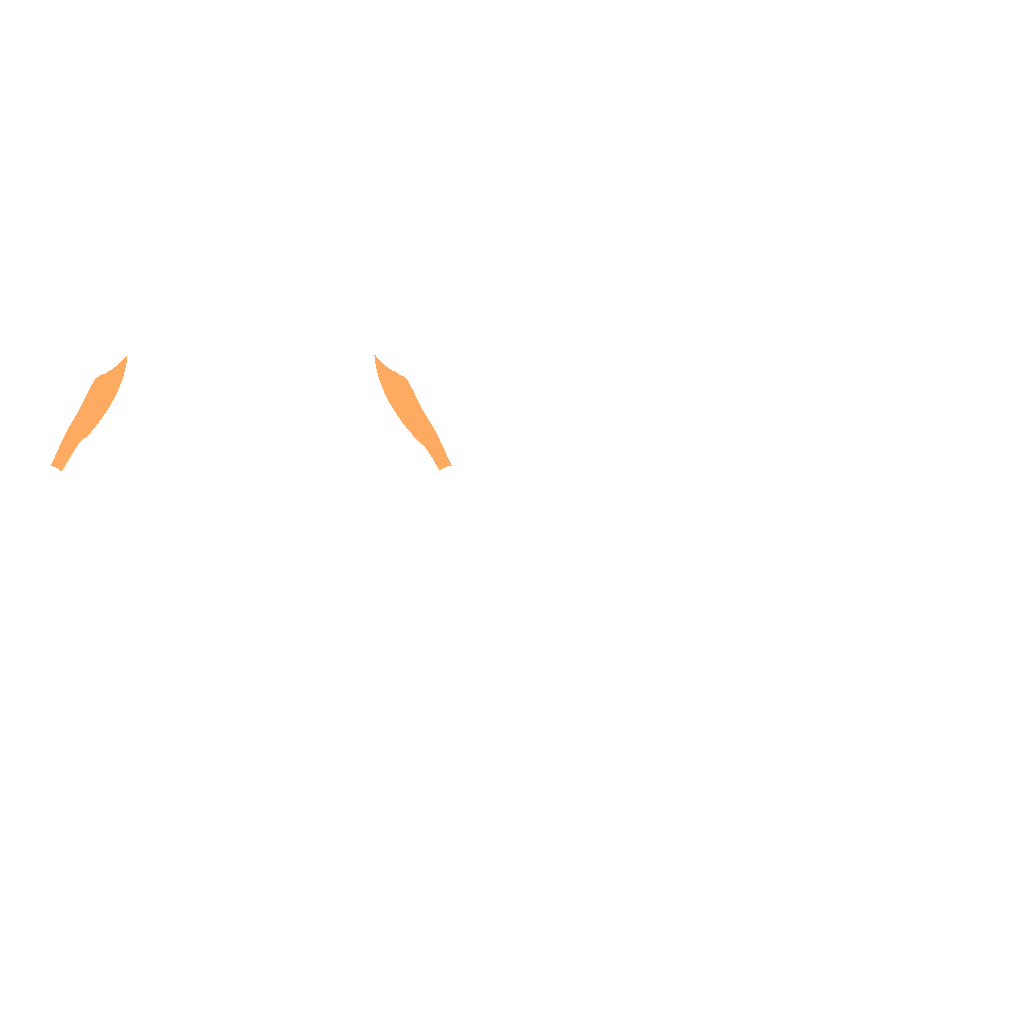
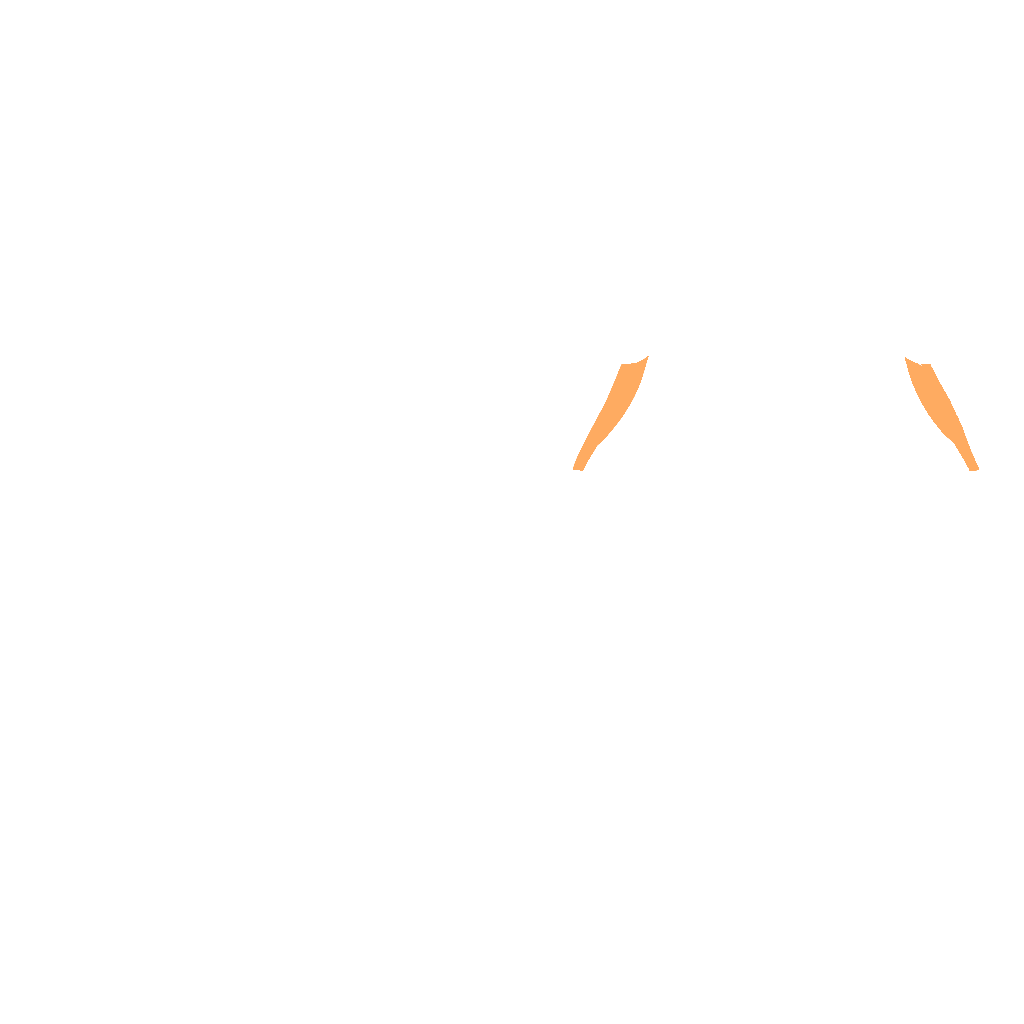

- Target
- Latissimus Dorsi
- Secondary
- Trapezius Lower, Trapezius Middle, Biceps Brachii Long Head, Brachioradialis
- Tertiary
- Infraspinatus, Deltoid Posterior
How to do it
- 1
Attach a long bar and grip it well outside shoulder width, palms facing away.
- 2
Lock your thighs under the pad and sit tall with a small backward lean.
- 3
Set the shoulders down, then pull the bar to your upper chest by flaring the elbows down and out.
- 4
Bring the bar to just below the collarbones without leaning back excessively.
- 5
Return the bar overhead slowly to a full stretch of the lats.
- 6
Breathe out on the pull and in on the return, keeping the hips planted.
Tips
- Do not go absurdly wide, a bit past shoulder width protects the shoulders and still targets the lats.
- Imagine bending the bar around your chest to keep the lats loaded.
- Avoid using momentum from the lower back, let the arms and lats do the work.
Variations
Common mistakes
- The bar stops at chin height once the set gets hard, so the last third of the pull, where the lats actually shorten, never happens; take a plate off and bring it below the collarbones every rep.
- A small lean turns into a rocking lean-back around rep eight, and the movement ends up somewhere between a pulldown and a row; pick the torso angle before the first rep and hold it to the last.
- Elbows that travel forward, in front of the torso, cancel what the wide grip was chosen for; they should sweep down and out so the upper arms stay in the same plane as your shoulders.
- The wide grip is weaker than a close one, but the pin usually stays where the close-grip work left it, and the reps become short tugs from halfway down.
- Shoulders ride up toward the ears as the bar returns and stay there for the next rep, so every pull starts from a shrug; let the blades rise with the bar, then set them down before pulling.
Frequently asked
- How many sets and reps of the wide-grip lat pulldown should a beginner do?
- Three sets of 8 to 12 twice a week is a sensible start, but think in weekly totals rather than single sessions: six to ten hard sets of vertical pulling across the week covers most beginners. Rest around 90 seconds. Move the pin one plate heavier only when all three sets reach 12 with the bar arriving below the collarbones and the torso angle unchanged. If the reps only come by leaning further back, hold the weight another week.
- What can I do instead of a wide-grip lat pulldown without a cable machine?
- A wide-grip pull-up with a band under one foot is the direct match and trains the same flared-elbow path. At home, hook a long band over a beam or a rack pin, kneel underneath and pull it down with the hands wide, which gives the same overhead direction with tension that climbs as you pull. If nothing overhead is available, a wide-grip inverted row under a bar or a table trains the same muscles horizontally, and you set the difficulty by walking your feet in or out.
- What is the wide-grip lat pulldown good for, and when is it the wrong pick?
- The wide grip cuts down how much the arms can help and asks the lats and the muscles around the shoulder blades to carry the pull, which is why it is a standard choice for back width. It scales to any level, so it fits beginners and works as volume for advanced lifters. It is the wrong pick if overhead positions bother your shoulder, since the wide grip puts the joint at its most open angle and a neutral handle usually feels better. It is also not the version to load heaviest, because the flared elbow path gives you less leverage than a close or neutral grip.
Related exercises
Other movements among FitRay's 2,000+ exercises that load the same target muscle — same equipment and level first.
- BeginnerRope Straight-Arm PulldownCables · Rope · Back
- BeginnerCable Rope PulloverBench · Cables · Rope
- BeginnerClose-Grip Lat PulldownCables · Back · Lats
- BeginnerIsometric Lat Pulldown HoldCables · Machine · Back
- BeginnerKneeling Cable PulldownCables · Back · Lats
- BeginnerNeutral-Grip Lat PulldownCables · Back · Lats