Cable Anti-Rotation Row
Rowing one arm at a time from a standing stance turns the exercise into an anti-rotation task, since the free side wants to twist toward the stack. The obliques brace to keep the shoulders and hips square while the lat still gets a solid row. It carries over strongly to athletic pushing, pulling, and bracing under uneven loads.
- Equipment
- Cables
- Type
- Functional, Strength
- Browse by muscle
- Abdominal External Oblique
- Browse by movement
- Anti-Rotation, Horizontal Pull




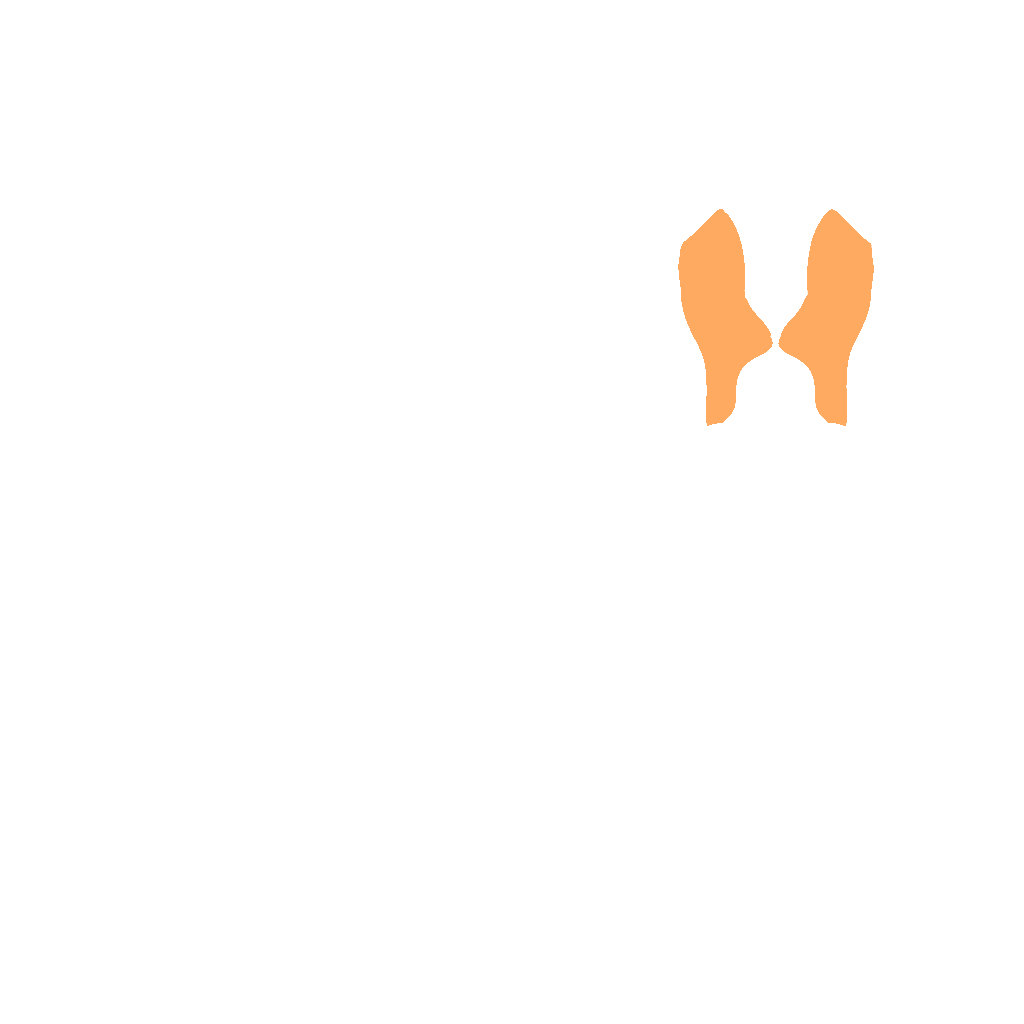


- Target
- Abdominal External Oblique
- Secondary
- Latissimus Dorsi, Upper Rectus Abdominals
- Tertiary
- Erector Spinae, Trapezius Middle
How to do it
- 1
Set a cable at chest height and grip a single handle in one hand.
- 2
Stand facing the stack in an athletic stance, feet hip-width and knees soft.
- 3
Brace the abs and glutes so the torso is square before you pull.
- 4
Row the handle to the ribs, driving the elbow back without letting the shoulder rotate open.
- 5
Extend the arm back under control while holding the trunk perfectly still.
- 6
Finish the set on that arm, then switch hands and repeat.
Tips
- Keep both hip bones pointed straight ahead throughout the row.
- Resist the urge to twist toward the working side as you pull.
- Drive the elbow along the ribs and squeeze the shoulder blade without opening the chest.
Variations
Common mistakes
- A narrow, feet-together stance leaves nothing to brace against, so the free hip swings toward the cable the moment the pull gets heavy.
- The arm snaps back on the release instead of paying out under control, yanking the trunk into the same rotation the set is meant to resist.
- The cable path gets short when you set up too close to the stack, and what should be a rowing anti-rotation drill turns into an arm curl with nothing left to resist.
- By the time fatigue sets in, the stronger arm often quietly earns a rep or two more than the weaker one, undercutting a drill whose whole point is equal bracing on both sides.
Frequently asked
- How many sets and reps of the cable anti-rotation row should you do per arm when you are new to the exercise?
- Start with 2 sets of 8 to 10 reps per arm, resting about a minute before switching sides, and pick a weight light enough that the hips stay square for every rep. Progress by adding a rep or two before you add load, since the anti-rotation demand disappears the moment you have to twist to finish a rep. Once 12 clean reps per side feel controlled, add weight and drop back to 8.
- What can replace the cable anti-rotation row without a cable machine?
- A resistance band anchored at chest height to a rack, pole, or door gives the same single-arm rowing pull with the same anti-rotation demand. A single dumbbell row from a staggered, athletic stance rather than braced on a bench asks the trunk to resist rotation in a similar way, though the line of pull is different. Either substitute works as long as one side of the body has to fight to stay square while the other one pulls.
- What is the cable anti-rotation row good for, and when should you pick a different row instead?
- It builds core bracing alongside a back row, which carries over to athletic pushing, pulling, and carrying uneven loads, and suits anyone training general strength or sport performance. Choose a two-arm, bench-supported row instead if your main goal is building back size or strength, since the light anti-rotation loads here will not maximize lat growth. It is also not the row to load heavy if you have an unresolved shoulder impingement that a rotating trunk aggravates.
Related exercises
Other movements among FitRay's 2,000+ exercises that load the same target muscle — same equipment and level first.
- IntermediateSplit-Stance Pallof PressBand · Cables · Abs
- IntermediateCable Anti-Rotation WalkoutCables · Abs
- IntermediateCable Pallof Lateral WalkCables · Abs
- IntermediateCable Rotational RowCables · Back · Lats
- IntermediateSingle-Arm Cable PressCables · Abs · Chest
- IntermediateStaggered-Stance Pallof PressCables · Abs