Kneeling Cable Pulldown
Kneeling in front of a high pulley removes the lower body and locks your torso in place, so the lats have to do the pulling without help from leg drive or leaning. The kneeling position also lets taller lifters reach a full overhead stretch that a seated pulldown machine sometimes cuts short. It is an accessible, joint-friendly vertical pull for building the lats and grooving clean scapular mechanics.
- Equipment
- Cables
- Type
- Strength
- Browse by muscle
- Latissimus Dorsi
- Browse by movement
- Vertical Pull







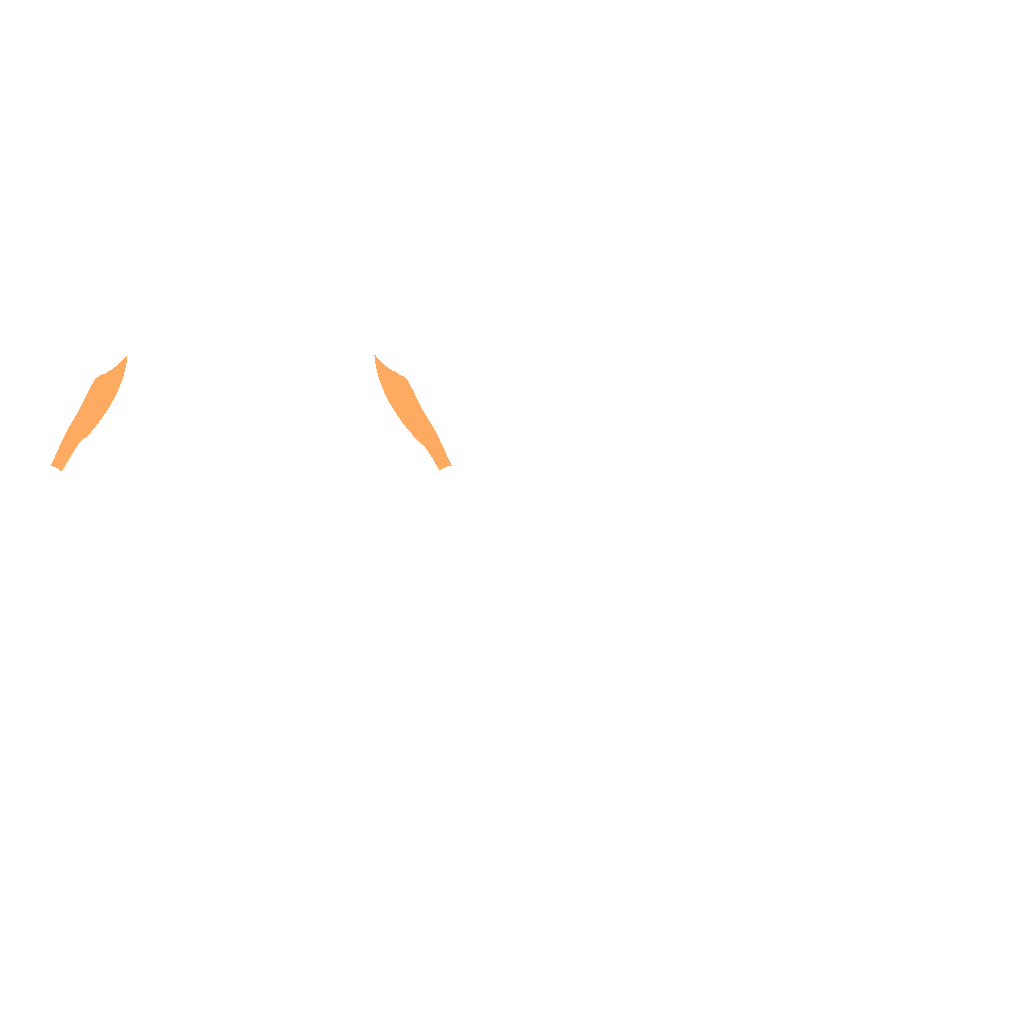
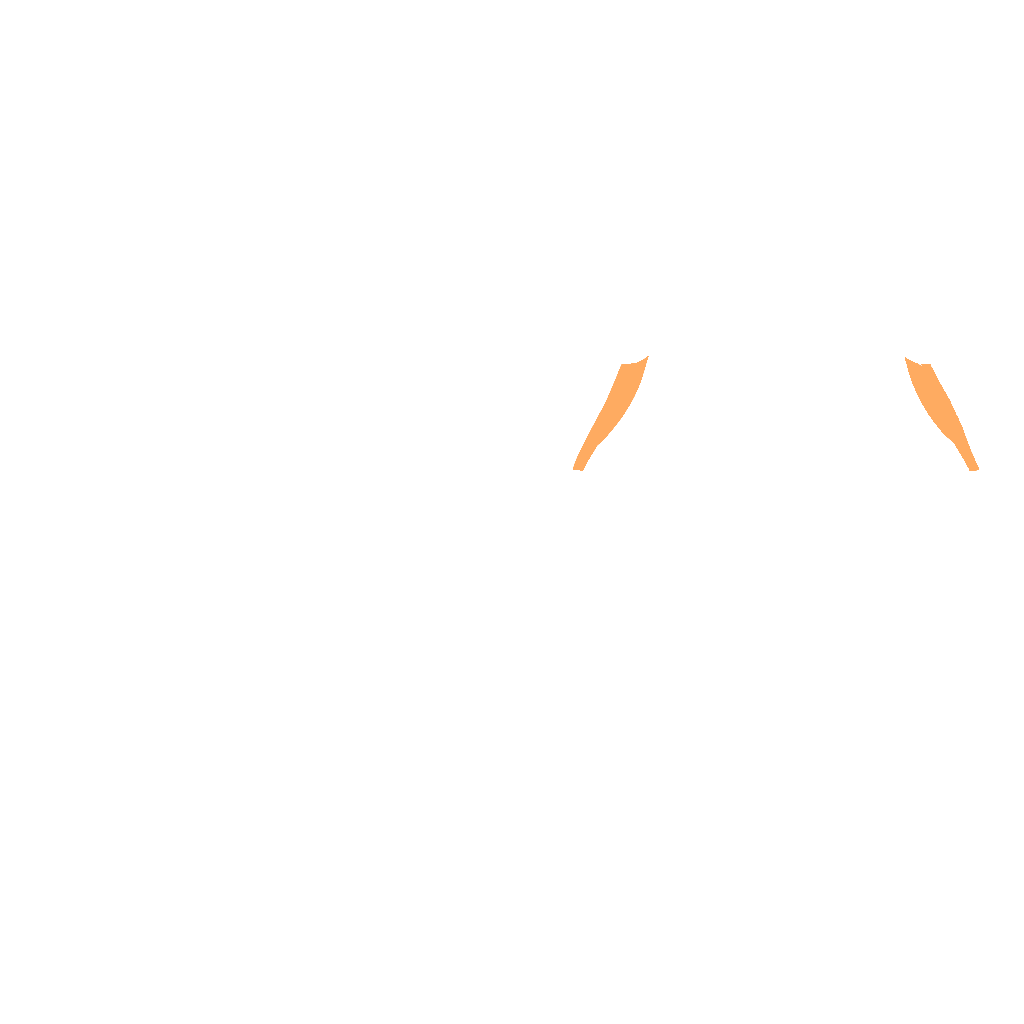

- Target
- Latissimus Dorsi
- Secondary
- Biceps Brachii Long Head, Biceps Brachii Short Head, Trapezius Lower, Deltoid Posterior, Brachioradialis
- Tertiary
- Trapezius Middle
How to do it
- 1
Attach a bar or rope to a high pulley and kneel on the floor a step back from the stack.
- 2
Reach up and grip the attachment, letting the weight draw your arms overhead into a stretch.
- 3
Set your shoulder blades down and brace your core so your torso stays upright and still.
- 4
Pull the attachment down toward your upper chest by driving your elbows down and back.
- 5
Squeeze the lats at the bottom, then return under control to the full overhead stretch.
- 6
Keep your hips and torso locked so only your arms and shoulder blades move.
Tips
- Resist the urge to lean back and turn it into a row; stay tall to keep the lats vertical.
- Let your shoulders rise slightly at the top to load the lats through a full stretch.
- Widen your knees slightly for a more stable base if you feel yourself tipping forward, while keeping your hips tall.
Variations
Common mistakes
- The torso rocks backward to help initiate the pull, turning the kneeling pulldown into a seated row done on your knees.
- The knees creep too close to the stack over the course of the set, shortening the overhead stretch that the kneeling setup is specifically meant to preserve.
- Yanking the bar down fast at the top uses momentum to start the pull instead of letting the lats initiate it from a full stretch.
- A pull-down path aimed behind the neck instead of the upper chest twists the shoulders into a position the kneeling, torso-locked setup was never built to support.
- A full sit-back onto the heels between reps lets the hips act as a rest point, taking tension off the lats that a kneeling, hips-tall position is meant to keep loaded throughout the set.
Frequently asked
- How many sets and reps of the kneeling cable pulldown should a beginner do?
- Do 3 sets of 10 to 12 reps with a weight that still lets you reach a full overhead stretch at the top of every rep. Add weight only once you can keep the torso upright and still through the whole set, since leaning back is the easiest way to sneak extra weight onto the stack without earning it.
- What can I use instead of a cable machine for the kneeling cable pulldown?
- A lat pulldown machine done seated trains the same movement, though it won't give the same deep overhead stretch that kneeling farther from the stack allows. Without any machine, banded pulldowns anchored high on a door or rack are a reasonable stand-in for training at home.
- What is the kneeling cable pulldown good for, and when should I use a seated pulldown instead?
- Kneeling locks the hips in place and removes leg drive, which makes it a strict, joint-friendly way to build the lats and groove clean shoulder-blade mechanics for beginners. If your knees are uncomfortable kneeling on the floor, or you want to move heavier weight than you can control strictly, a seated pulldown machine is the easier substitute.
Related exercises
Other movements among FitRay's 2,000+ exercises that load the same target muscle — same equipment and level first.
- BeginnerWide-Grip Lat PulldownCables · Back · Lats
- BeginnerRope Straight-Arm PulldownCables · Rope · Back
- BeginnerCable Rope PulloverBench · Cables · Rope
- BeginnerClose-Grip Lat PulldownCables · Back · Lats
- BeginnerIsometric Lat Pulldown HoldCables · Machine · Back
- BeginnerNeutral-Grip Lat PulldownCables · Back · Lats