Cluster-Set Deadlift
The deadlift punishes fatigue faster than most lifts, so resetting for 15 to 30 seconds between reps lets you keep positions tight and bar speed high at loads that would collapse in a touch-and-go set. Every rep becomes a fresh, well-braced pull off the floor, which trains starting strength and reinforces technique. It suits strong intermediate and advanced lifters chasing heavy volume without form decay.
- Equipment
- Barbell
- Type
- Strength
- Browse by muscle
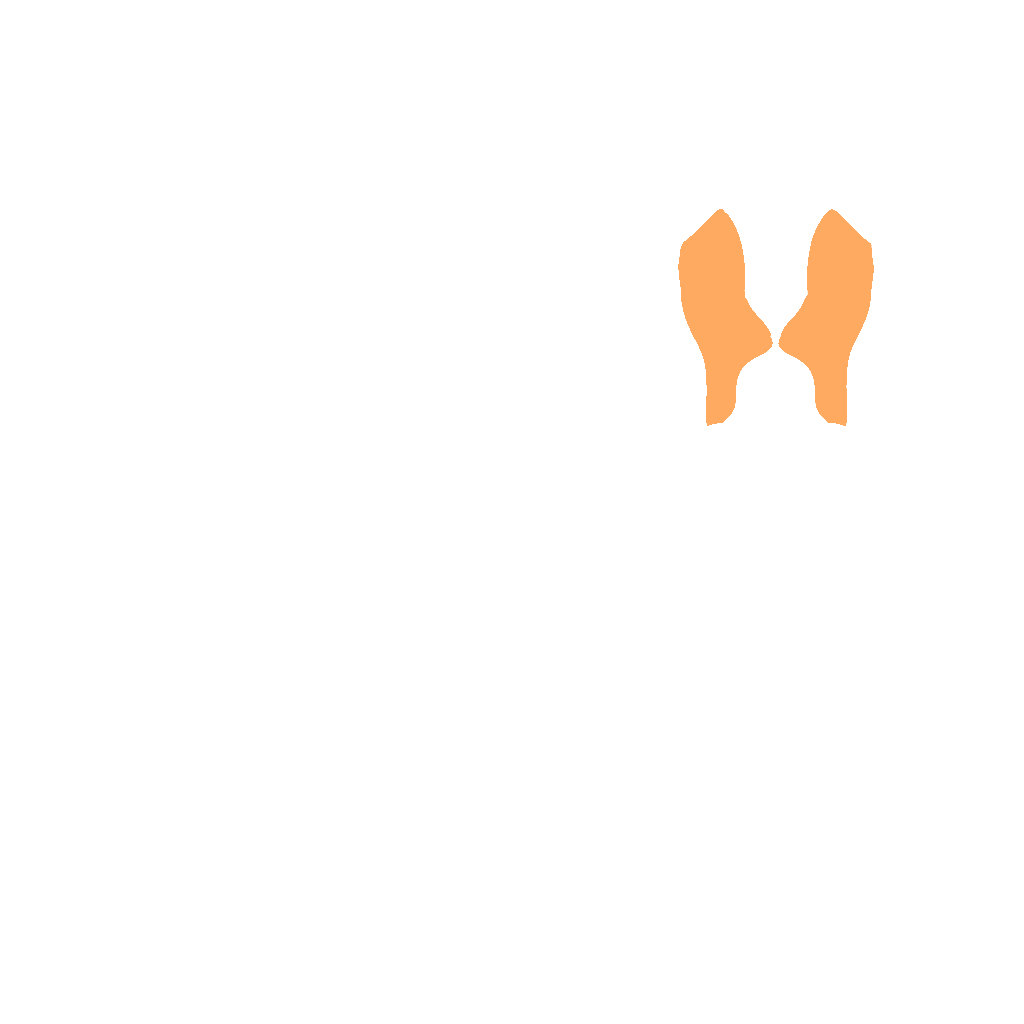
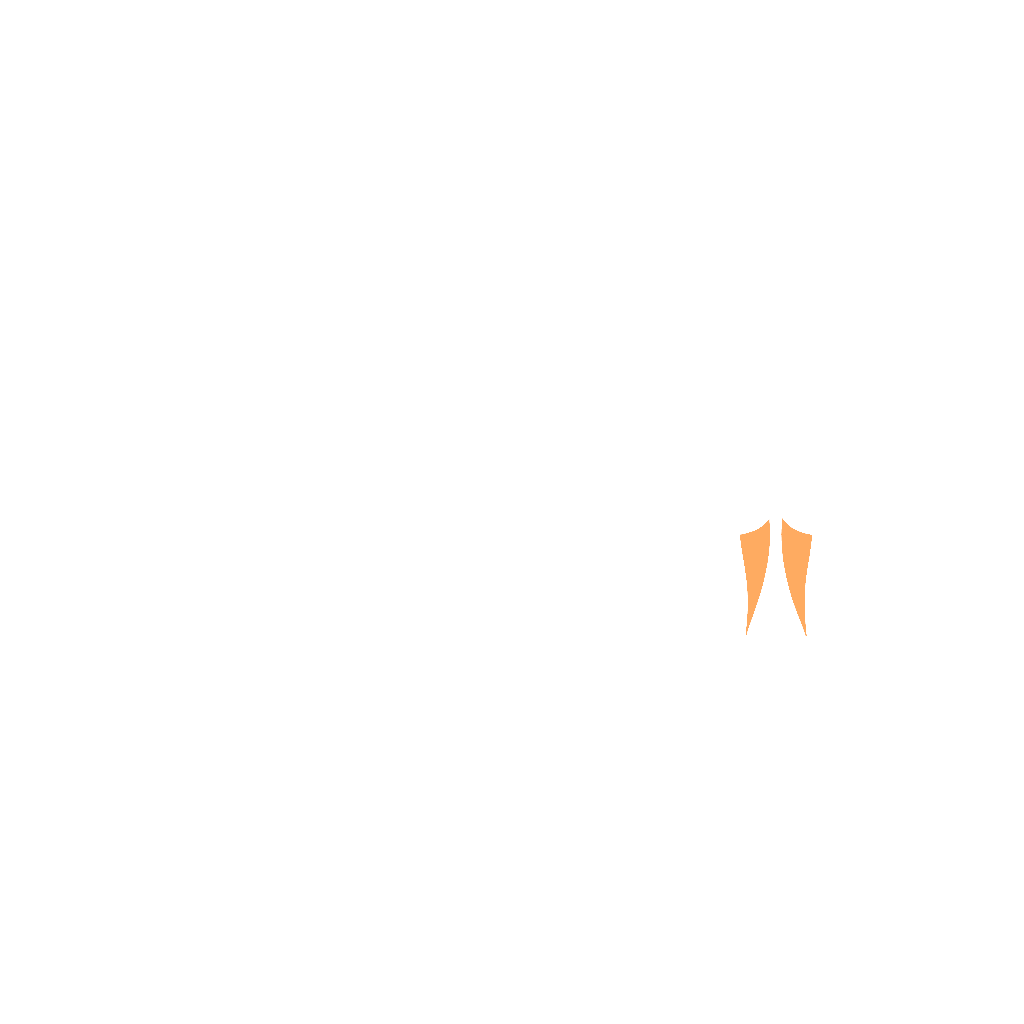
- Gluteus Maximus, Erector Spinae, Biceps Femoris, Semitendinosus
- Browse by movement
- Hinge














- Target
- Gluteus Maximus, Erector Spinae, Biceps Femoris, Semitendinosus
- Secondary
- Vastus Lateralis, Rectus Femoris, Latissimus Dorsi, Trapezius Upper, Trapezius Middle, Adductor Magnus
- Tertiary
- Brachioradialis, Extensors
How to do it
- 1
Load 80 to 90 percent of your one-rep max and set your stance with the bar over mid-foot.
- 2
Take your grip, wedge the hips down, and pull the slack out of the bar.
- 3
Brace and pull one clean rep, finishing tall with locked hips.
- 4
Lower the bar under control and reset your stance and breath for 15 to 30 seconds.
- 5
Re-grip, re-brace, and pull the next single with the same intent.
- 6
End the cluster once positions slip or bar speed off the floor drops.
Tips
- Fully reset your setup each rep rather than bouncing off the floor.
- Re-take your breath and brace before every single, not just the first.
- Chalk up and keep the bar close to the shins to protect the lower back.
Variations
Common mistakes
- The bar is dumped once the rep is done, and a cluster of six means six controlled descents at 85 percent; a dropped bar lands out of position and a rushed one costs you the back angle.
- Stance drifts relative to the bar because the plates settle a little differently each time; mark your feet or roll the bar back to the same line before every pull.
- Grip quietly decides how long the cluster lasts, and the last singles get pulled with a hand that is already opening, which moves the bar before the hips even start.
- Fifteen seconds is not long enough for some lifters to rebuild a heavy pull, and the answer is a slightly longer rest rather than a faster setup; a rushed wedge is how the hips come up first.
- Clusters get run on the same day as heavy squats, and the low back pays for both; spread heavy pulls and heavy squats across the week when you use this format.
Frequently asked
- What weight and rep scheme suit the cluster-set deadlift, and what should I be able to pull first?
- Four clusters of four singles at 80 to 85 percent, 20 to 30 seconds between singles and four minutes between clusters, once a week for three or four weeks. You should already be pulling triples at 85 percent with the same back position on every rep, because this format rewards a pull you can repeat rather than one you can survive. If the hips rise before the bar on any single, that cluster is finished.
- Can I run deadlift clusters without a barbell?
- A trap bar is the closest substitute and arguably suits the format better, since the handles make each reset quicker. A heavy kettlebell or dumbbell deadlift keeps the pattern but caps the load well below the percentages that make clustering worthwhile. Rack pulls or block pulls clustered the same way are the answer if the floor position is the part you cannot load. Machines give you no floor reset, which is most of the point here.
- Who are deadlift cluster sets for, and when should I skip them?
- It trains starting strength by giving you many fresh, well-braced pulls at a weight you could not repeat in a straight set, which suits strong intermediate and advanced lifters in a strength block. Skip it if your position changes from rep to rep, since the format will simply let you rehearse the same error more often. It is poor value for conditioning or size, and because heavy pulls stack up fast, keep it to one session a week and pay attention to how your low back feels the next day.
Related exercises
Other movements among FitRay's 2,000+ exercises that load the same target muscle — same equipment and level first.