Dynamic-Effort Deadlift
Using about 50 to 60 percent of max, you pull each rep as a fresh, maximally aggressive single, focused entirely on how fast the bar leaves the floor. Full resets and short rest keep the emphasis on force production rather than conditioning. This trains the exact quality most lifters lack, a quick and powerful first pull, and transfers directly to a heavier max.
- Equipment
- Barbell
- Type
- Strength
- Browse by muscle
- Gluteus Maximus, Erector Spinae, Biceps Femoris, Semitendinosus
- Browse by movement
- Hinge















- Target
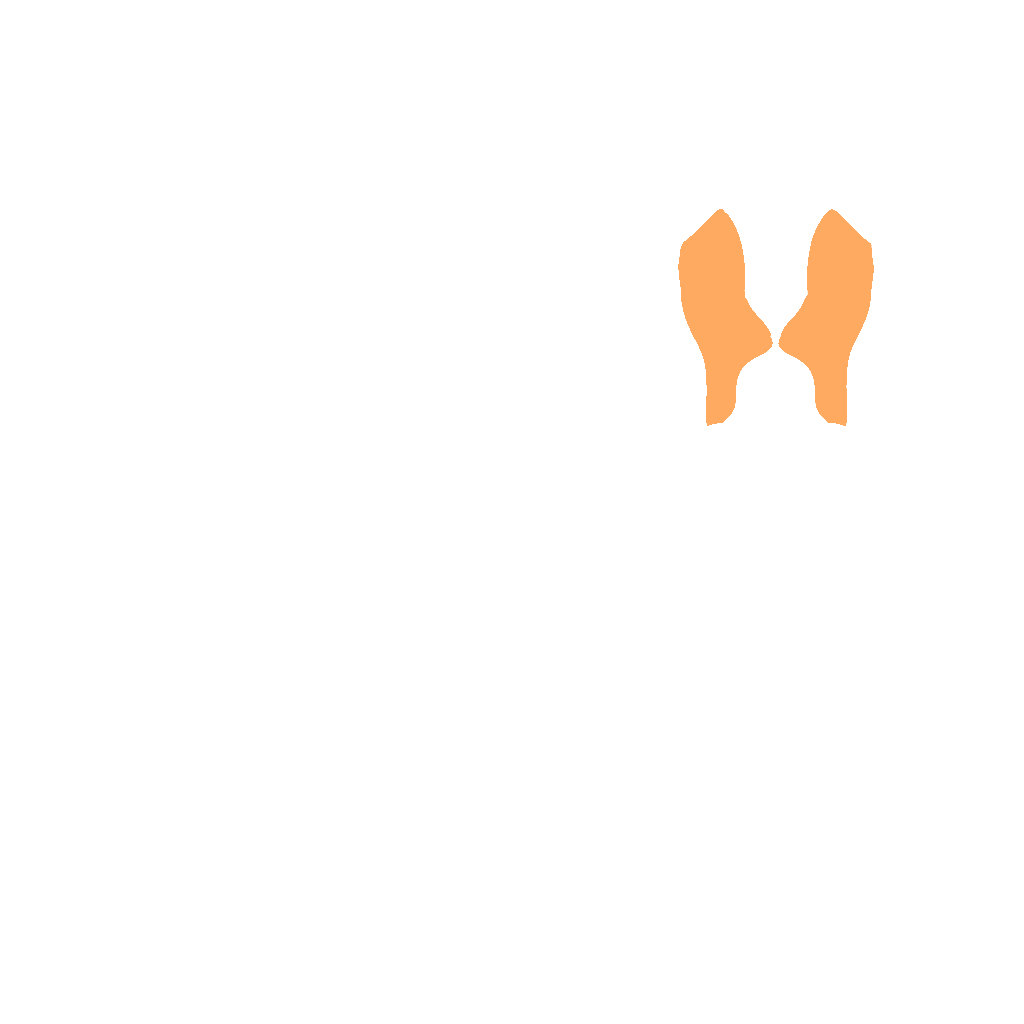
- Gluteus Maximus, Erector Spinae, Biceps Femoris, Semitendinosus
- Secondary
- Vastus Lateralis, Rectus Femoris, Latissimus Dorsi, Trapezius Upper, Trapezius Middle, Adductor Magnus
- Tertiary
- Brachioradialis, Extensors
How to do it
- 1
Load about 50 to 60 percent of your one-rep max with the bar over mid-foot.
- 2
Set your grip, wedge into position, and pull the slack out of the bar.
- 3
Brace hard and rip the bar off the floor as explosively as you can.
- 4
Finish tall with locked hips, then lower under control.
- 5
Reset your stance and breath fully, resting 30 to 45 seconds between singles.
- 6
Complete the prescribed singles, ending any that slow noticeably off the floor.
Tips
- Every rep is a fresh single from a dead stop; do not touch and go.
- Drive the floor away hard the instant you break the bar off the ground.
- Keep the bar path vertical and close to protect your back at speed.
Variations
Common mistakes
- Arms get used to yank the bar off the floor because that feels fast, and the elbows bend under load instead of the legs driving the floor away.
- The pull gets finished with a lean back at the top, which looks aggressive and parks the load behind the hips where the low back takes it.
- Speed disappears into a long setup, with ten seconds of fidgeting before each single; set up identically every time so the rest period stays a rest period.
- Straps go on because the reps are light, and the hands never learn to hold a bar that is trying to leave at speed.
- Fifty-five percent feels light enough to skip the careful brace, and a loose trunk at speed asks more of the low back than a tight one at 85 percent does.
Frequently asked
- How many singles and how much weight for the dynamic-effort deadlift?
- Eight to ten singles at 50 to 60 percent with 30 to 45 seconds between them, each pulled as hard as you can and the session stopped once one is slower than the last. That is under twenty minutes of work. You should have a setup you can repeat identically before using it, because nothing gets fixed once the bar moves at this speed. Cycle up five percent a week for three weeks, then drop back and start again.
- Can I do speed deadlifts without a barbell?
- A kettlebell swing is the most useful no-barbell option, since it trains the same fast hip extension with one implement. Broad jumps and heavy dumbbell or kettlebell deadlift jumps also train the intent. A trap bar is the closest substitute if your gym has one. Bands over the bar are an addition rather than a substitute, and a lighter implement moved fast beats a heavier one moved slowly every time.
- What is the dynamic-effort deadlift for, and who should avoid it?
- It trains a fast first pull, which is where most deadlifts are lost, using loads light enough to recover from quickly. It suits experienced lifters in a conjugate-style week who already pull with a consistent setup. It is a poor choice for building muscle, since neither the load nor the time under tension is there, and a poor choice if your lockout is the sticking point, where rack pulls or band work fit better. Leave fast pulls alone while your back is irritated, because speed punishes a position that is only nearly right.
Related exercises
Other movements among FitRay's 2,000+ exercises that load the same target muscle — same equipment and level first.