Backward Lunge with Reach
Stepping back into a lunge while reaching overhead is one of the most joint-friendly ways to stretch the hip flexors and quads dynamically. The reach adds a gentle side and thoracic lengthening through the lats and abdomen. This is an easy, accessible primer for squats, deadlifts, or desk-bound trainees with tight hips.
- Equipment
- Body Weight
- Type
- Functional, Stretching
- Browse by muscle
- Gluteus Maximus, Rectus Femoris
- Browse by movement
- Lunge





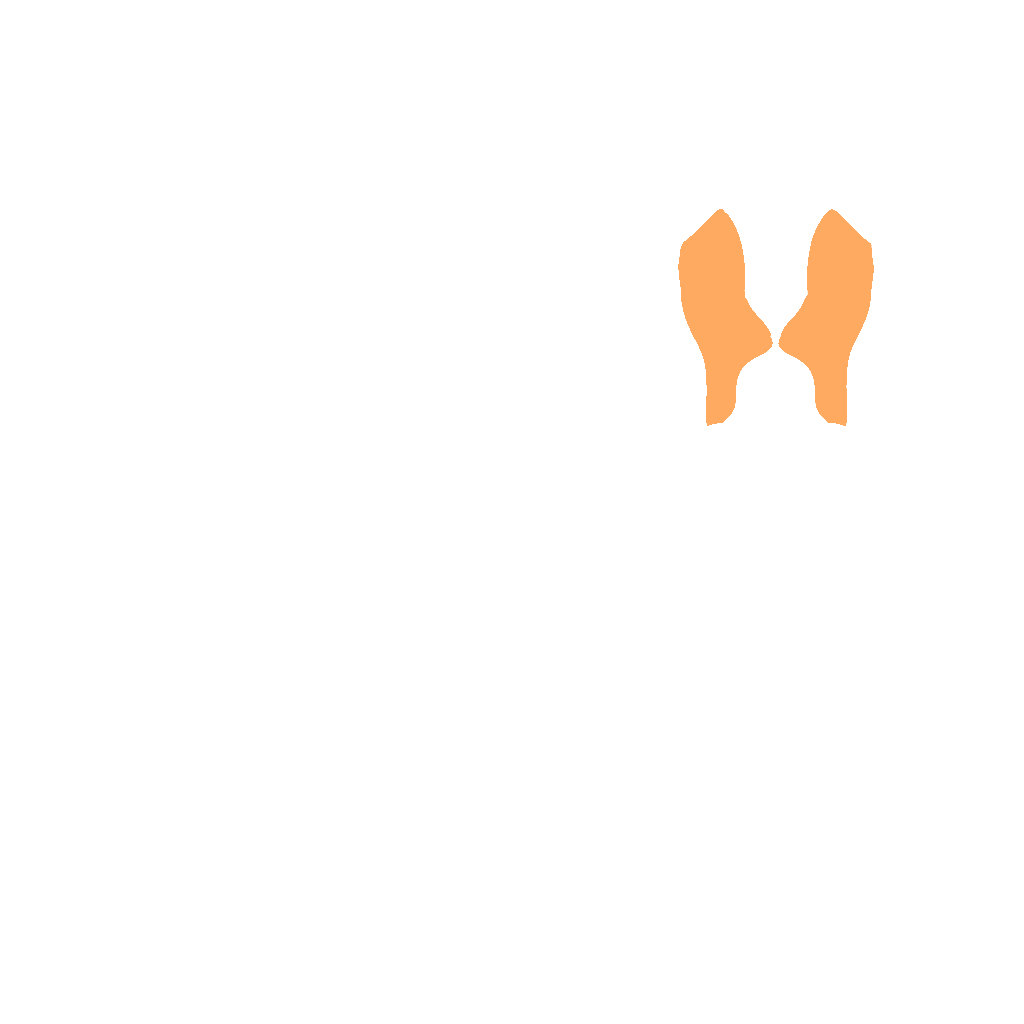
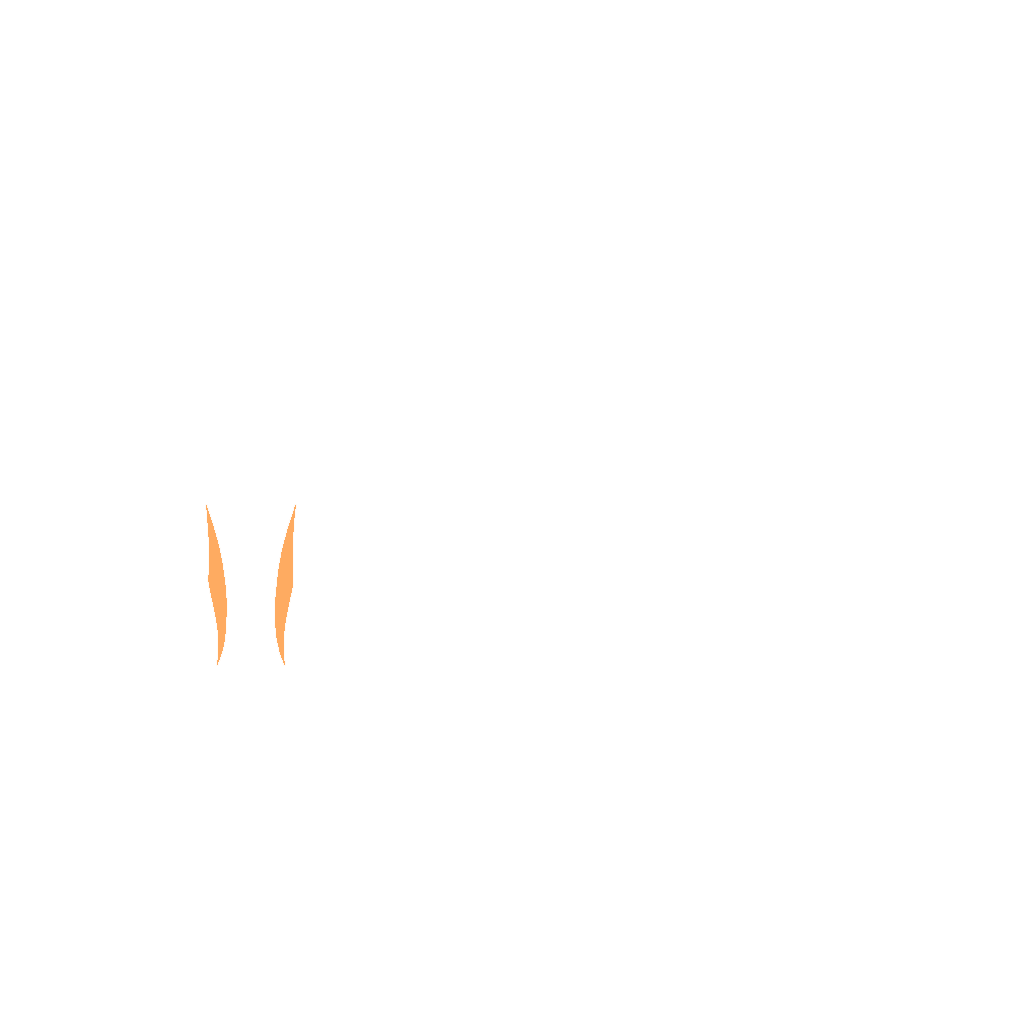


- Target
- Gluteus Maximus, Rectus Femoris
- Secondary
- Vastus Lateralis, Latissimus Dorsi, Sartorius
- Tertiary
- Erector Spinae, Deltoid Anterior
How to do it
- 1
Stand tall with feet hip-width and arms at your sides.
- 2
Step one foot straight back and lower until both knees reach roughly ninety degrees.
- 3
As you sink, reach both arms overhead and lengthen tall through the spine.
- 4
Feel the stretch across the front of the back-leg hip and thigh.
- 5
Drive through the front heel to stand and bring the arms back down.
- 6
Alternate legs and repeat for the planned number of reps.
Tips
- Keep the front shin close to vertical so the knee stays over the ankle.
- Squeeze the glute of the back leg at the bottom to deepen the hip-flexor stretch.
- Reach up and slightly back without over-arching the low back.
- Keep the torso upright rather than leaning over the front leg.
Variations
Common mistakes
- The reach starts before the back knee has finished lowering, so the arms are overhead while the hip is still high and nothing lines up; let the step down and the reach arrive together.
- Hands come together in a prayer shape overhead, which pulls the shoulders forward; keep them wide enough that the arms can stay beside the ears.
- Once the arms are overhead the gaze follows them up, the head tips back, and balance goes with it; keep the eyes level and let the chest do the lifting.
- Coming back up, the arms drop before the front heel drives, and the momentum of the falling arms pulls your weight onto the toes of the front foot.
- Shoulders that cannot reach straight overhead end up borrowing the range from the ribs; take the arms to a diagonal in front instead and keep the lower back long.
Frequently asked
- How many backward lunges with a reach should a beginner do?
- Six to eight per leg, alternating, one or two rounds, used as preparation before squats, deadlifts, or running. Hold the bottom of two or three reps for a slow breath with the back glute squeezed, which is where the hip-flexor stretch comes from. Progress by adding a round or holding longer rather than by adding weight: the reach overhead is the point of the drill, and a dumbbell in each hand removes it.
- How do you make the backward lunge with reach easier or harder?
- Easier: reach only the arm on the same side as the back leg, take it to a diagonal rather than overhead, shorten the step, and hold a doorframe with the free hand. Harder: hold the bottom position for three breaths, stand on a low step and step back down to the floor so the back hip travels further, or hold a light plate overhead with both hands, which turns it into an overhead lunge. Keep the ribs down whichever version you use.
- What is the backward lunge with reach good for?
- It is one of the gentler ways to open the hip flexors and quads dynamically while lengthening the lats and the side of the trunk, which makes it a good fit for desk-bound trainees and a sensible opener before heavy lower-body work. It is a poor choice as a strength exercise, since the reach limits how much you can hold, and a poor choice for a shoulder that cannot go overhead without pain. If you want a deep hip-flexor stretch, a half-kneeling hold keeps the position long enough to change anything.
Related exercises
Other movements among FitRay's 2,000+ exercises that load the same target muscle — same equipment and level first.
- BeginnerCrescent LungeBody Weight · Glutes · Quads
- BeginnerCurtsy PulseBody Weight · Glutes · Quads
- BeginnerHalf-Kneeling Get-UpBody Weight · Glutes · Quads
- BeginnerLateral Lunge WalkBody Weight · Glutes · Thighs
- IntermediateLunge MatrixBody Weight · Glutes · Quads
- IntermediateSkater JumpBody Weight · Glutes · Quads