Curtsy Pulse
Crossing one leg behind and across the body loads the front glute in both extension and abduction, which is why the curtsy is a favorite for hip shaping. Pulsing in the low position keeps constant tension on the glute max, quads, and adductors while the outer hip fights to keep you stable. It is beginner-friendly yet effective, and the crossed stance adds a balance element without any equipment.
- Equipment
- Body Weight
- Type
- Balance, Strength
- Browse by muscle
- Gluteus Maximus, Rectus Femoris, Vastus Lateralis
- Browse by movement
- Lunge


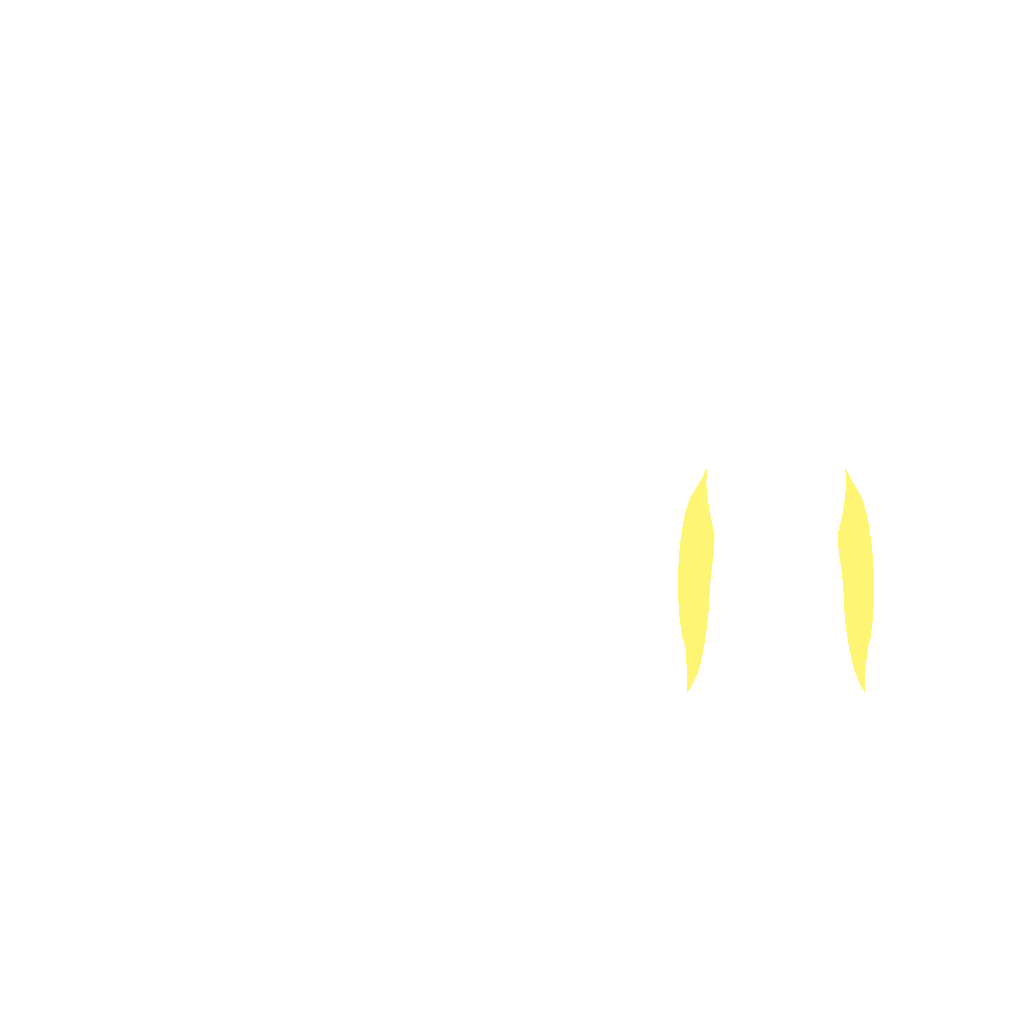
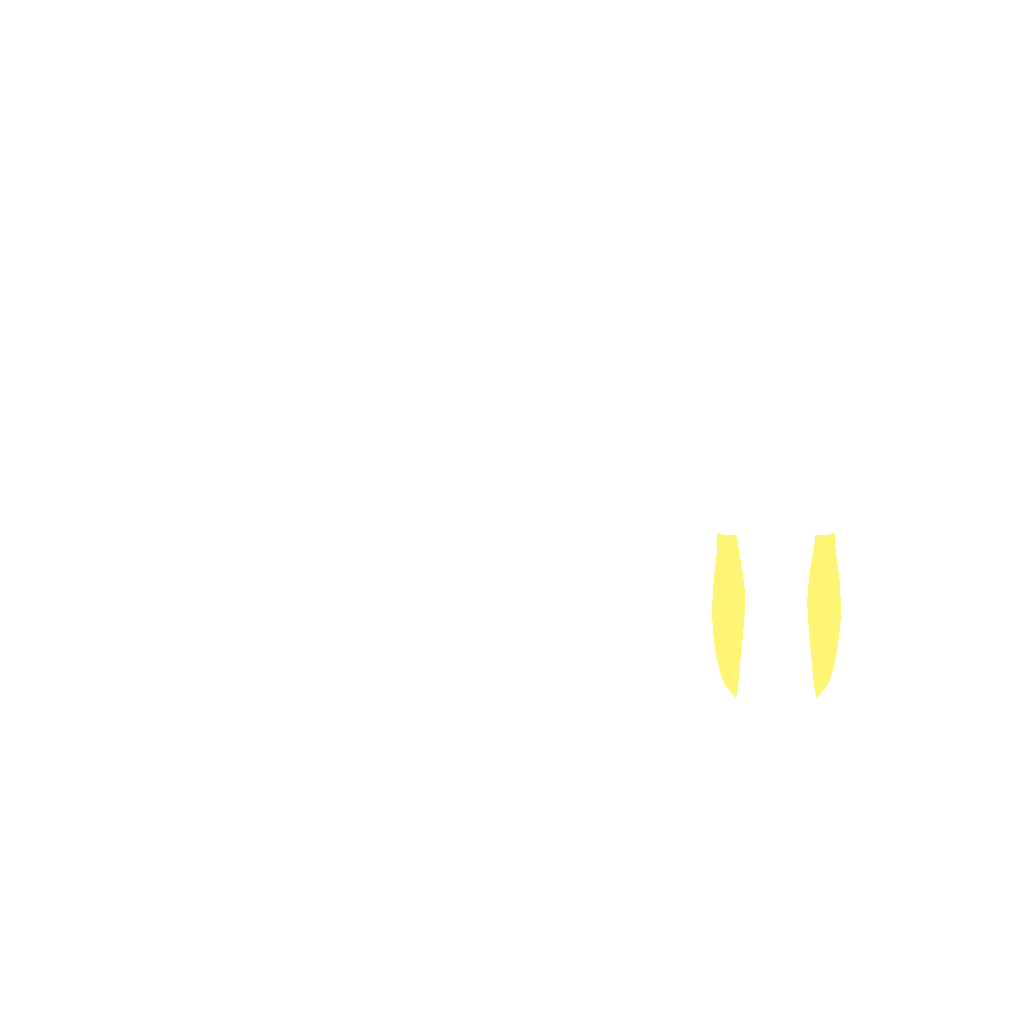
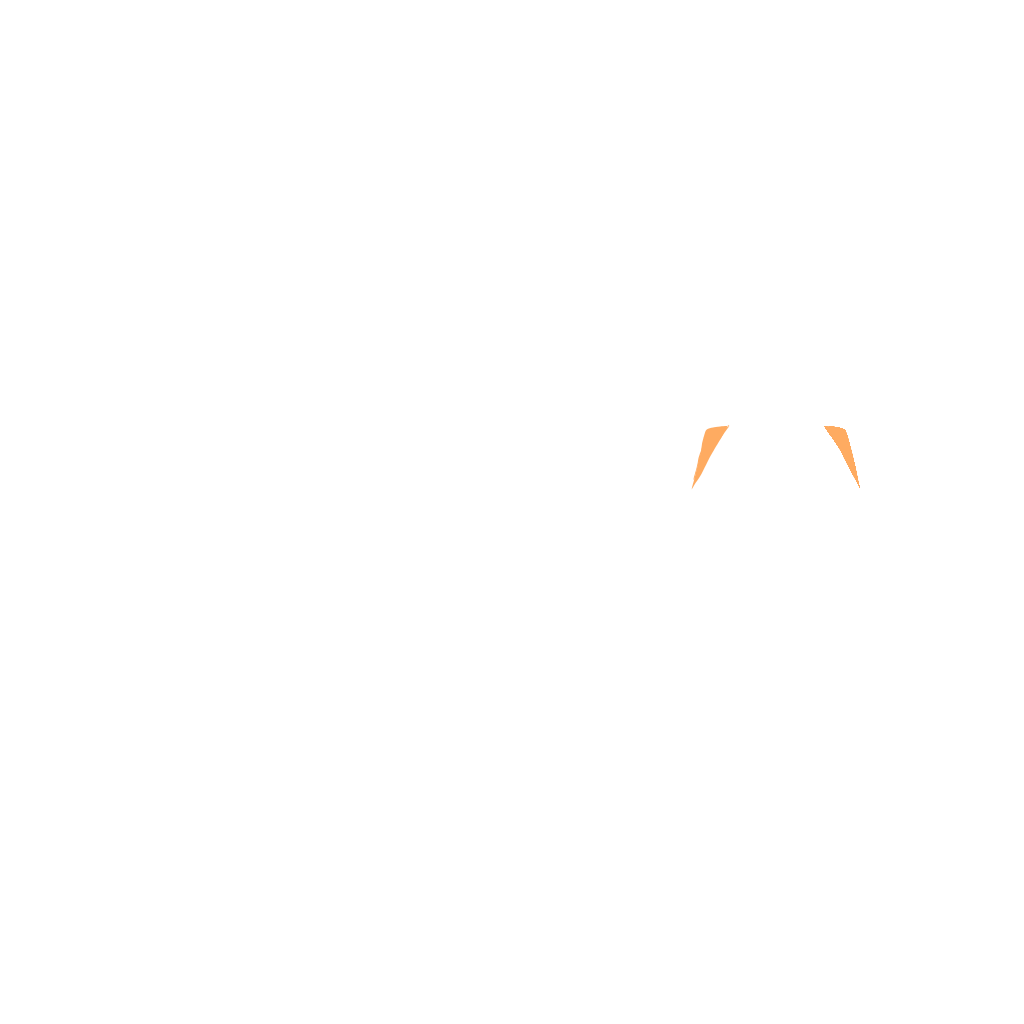




- Target
- Gluteus Maximus, Rectus Femoris, Vastus Lateralis
- Secondary
- Gluteus Medius, Adductor Magnus
- Tertiary
- Biceps Femoris, Semitendinosus
How to do it
- 1
Stand tall with a hand on the barre for support.
- 2
Step one foot back and across behind the other, staying on the ball of the rear foot.
- 3
Bend both knees to lower into a curtsy, keeping the front knee over its foot.
- 4
From the bottom, pulse up an inch and back down in a small range.
- 5
Keep the chest tall and the front heel planted throughout.
- 6
Complete the reps, then switch the crossing leg.
Tips
- Keep most of your weight in the front heel to load the glute.
- Do not let the front knee cave inward as you pulse.
- Keep the hips facing forward rather than twisting toward the front leg.
Variations
Common mistakes
- The rear foot drops flat instead of staying on the ball of the foot, which kills the spring needed to control the small pulse at the bottom.
- Crossing the back leg too far behind the body shortens the stance and tips the chest forward to compensate.
- Once the front heel lifts in the deep part of the curtsy, your weight rolls onto the ball of the foot and the glute loses the load it is meant to carry.
- The pulses turn into small bounces off the bottom instead of controlled, glute-driven lifts once the legs start to burn.
Frequently asked
- How many curtsy pulses should a beginner do on each side?
- Start with 2 sets of 12 to 15 pulses per side, holding onto support the whole time. Once your balance is solid and the front knee tracks cleanly over the foot, try one set without holding on before adding more reps.
- What can I hold onto for the curtsy pulse if I do not have a barre?
- The back of a sturdy chair, a countertop, or a wall at hand height all work fine. You only need light fingertip contact for balance, not something to hang your body weight from.
- What does the curtsy pulse actually train?
- It loads the front-leg glute in both hip extension and abduction at once, plus the quad, which is why it is often used as an easier, balance-building entry to single-leg glute work. Skip the deep version, or keep the pulse small and shallow, if you have knee pain when the front knee bends past ninety degrees.
Related exercises
Other movements among FitRay's 2,000+ exercises that load the same target muscle — same equipment and level first.
- BeginnerBackward Lunge with ReachBody Weight · Glutes · Quads
- BeginnerCrescent LungeBody Weight · Glutes · Quads
- BeginnerHalf-Kneeling Get-UpBody Weight · Glutes · Quads
- BeginnerLateral Lunge WalkBody Weight · Glutes · Thighs
- IntermediateLunge MatrixBody Weight · Glutes · Quads
- IntermediateSkater JumpBody Weight · Glutes · Quads