Dolphin Pose
Dolphin is Downward Dog dropped onto the forearms, which shifts the demand onto the shoulders and upper back while still stretching the hamstrings and calves. It develops the overhead pressing stability that underpins forearm stands and handstands. Use it to build shoulder endurance when the wrists need a break from bearing weight.
- Equipment
- Body Weight
- Type
- Stretching, Yoga
- Browse by muscle
- Deltoid Anterior





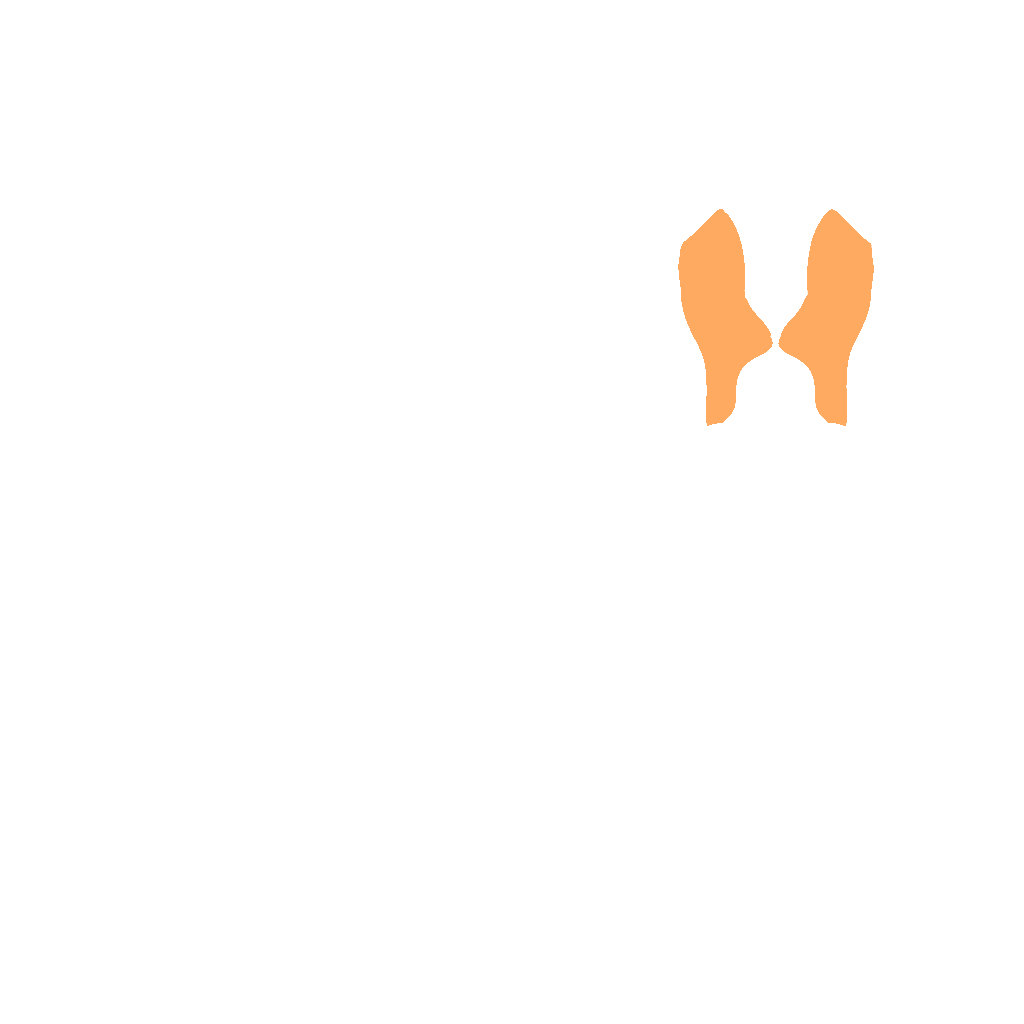

- Target
- Deltoid Anterior
- Secondary
- Trapezius Lower, Erector Spinae, Latissimus Dorsi
- Tertiary
- Biceps Femoris, Semitendinosus, Gastrocnemius Medial Head, Gastrocnemius Lateral Head, Soleus Gastrocnemius
How to do it
- 1
Start on hands and knees, then lower onto the forearms with elbows under the shoulders.
- 2
Keep the forearms parallel and press them firmly into the floor.
- 3
Tuck the toes and lift the hips up and back into an inverted V.
- 4
Straighten the legs as far as the hamstrings allow and reach the heels toward the floor.
- 5
Draw the shoulder blades toward the hips and press the chest gently back toward the thighs.
- 6
Breathe slowly and hold, keeping the neck long between the arms.
Tips
- Press the forearms down hard so the shoulders lift away from the ears.
- Bend the knees as much as needed to keep the spine long instead of rounding.
- Loop a band around the upper arms if the elbows tend to splay outward.
Variations
Common mistakes
- The hands creep together or splay apart instead of staying shoulder-width, which lets the whole base wobble under the shoulders.
- The head drops below the line of the arms instead of staying level between them, putting weight onto the neck instead of the shoulder girdle.
- Rushing to straighten the legs fully before the hamstrings allow it rounds the spine to force the range instead of building it over time.
- The hips creep forward toward the hands over the course of the hold, quietly turning the inverted V into a shallower, less demanding shape.
- Breathing gets shallow and fast once the shoulders start to fatigue, right when slow, steady breath is what helps the position hold longer.
Frequently asked
- How long should you hold dolphin pose when you are new to the exercise?
- Hold for 5 to 8 breaths, repeating for 2 to 3 rounds with a brief rest in child's pose between them. Add a round before you add hold time, and only straighten the legs as far as the hamstrings allow without rounding the spine.
- How do I make dolphin pose easier or harder?
- Practice regular downward dog on the hands most of the time and only drop to the forearms for shorter holds to make it easier on the shoulders. To make it harder, walk the feet closer to the elbows, or lift one leg at a time for an added stability challenge.
- What is dolphin pose good for, and when should you avoid it?
- It builds shoulder-girdle strength and stability while stretching the hamstrings and calves, a stepping stone toward forearm stands and handstands. Avoid it, or keep the hold brief, with an acute shoulder injury or neck sensitivity, since real weight sits through the upper back and shoulders here.
Related exercises
Other movements among FitRay's 2,000+ exercises that load the same target muscle — same equipment and level first.
- IntermediateForward Beast CrawlBody Weight · Abs · Shoulder
- IntermediateSide KickthroughBody Weight · Abs · Shoulder
- IntermediateTripod HeadstandBody Weight · Neck · Shoulder
- IntermediateWall Forearm StandBody Weight · Shoulder
- IntermediateApe ReachBody Weight · Quads · Shoulder
- IntermediateBackward Beast CrawlBody Weight · Abs · Shoulder