Foam Roll Biceps and Forearm
Heavy pulling, curling, and gripping load the biceps and the forearm flexors, and tight tissue here shows up as nagging elbow or wrist discomfort. This release runs the front of the arm from the shoulder to the wrist. Pair it with grip-heavy training or use it when the inner elbow feels cranky.
- Equipment
- Foam Roller
- Type
- Recovery, Stretching
- Browse by muscle
- Biceps Brachii Long Head, Biceps Brachii Short Head


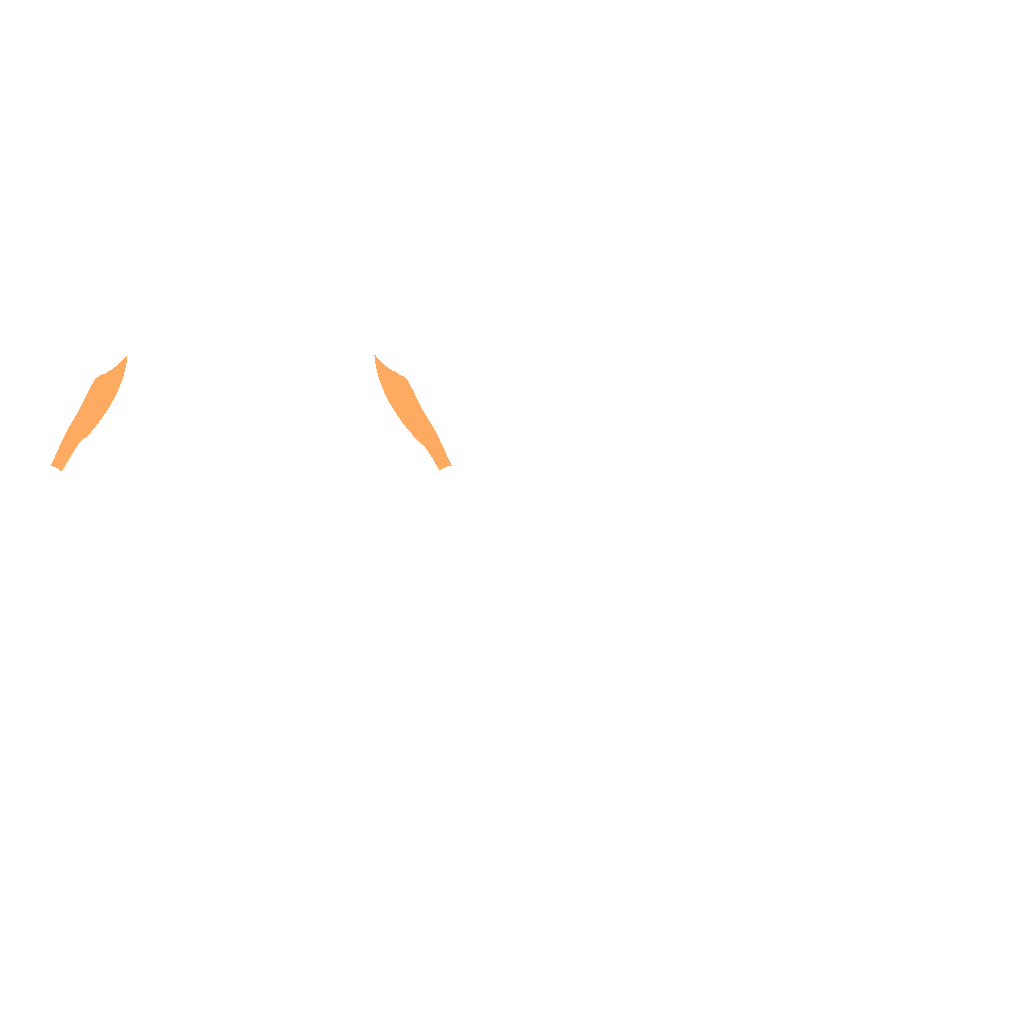
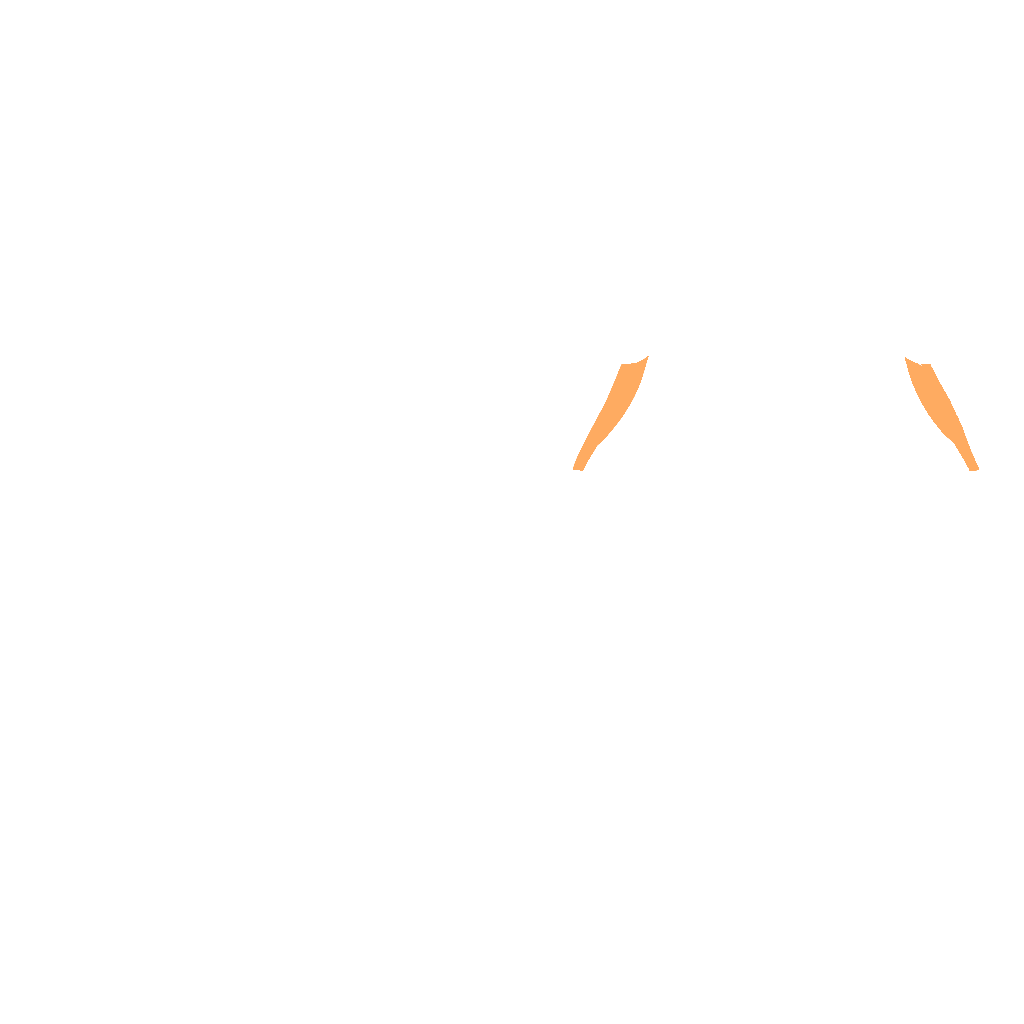


- Target
- Biceps Brachii Long Head, Biceps Brachii Short Head
- Secondary
- Brachioradialis
How to do it
- 1
Lie face down with one arm extended out to the side, palm down, resting on a foam roller.
- 2
Set the roller under the front of the upper arm to start.
- 3
Shift your bodyweight onto the arm and roll from the shoulder down toward the elbow.
- 4
Continue past the elbow to roll the meaty forearm flexors toward the wrist.
- 5
Pause on tender spots and slowly open and close the hand to floss the tissue.
- 6
Work thirty to sixty seconds per arm.
Tips
- Keep the palm facing down into the roller so the biceps and wrist flexors stay on it.
- Stay off the front of the elbow crease where nerves and vessels run.
- Reduce pressure if you feel any tingling into the hand and reposition.
Variations
Common mistakes
- The palm drifts back toward neutral as the pass continues, rolling the pressure off the biceps and onto the side of the arm instead.
- Full bodyweight pressure carries all the way down to the wrist, where the tissue thins out and cannot absorb what the meaty mid-forearm can.
- The hand-open-and-close floss gets skipped once the roller reaches the forearm, leaving the flexors just as tight as before the pass started.
- Speeding straight through without ever pausing means the roller never finds the actual tender spot, only passes over it.
Frequently asked
- How long should a beginner foam roll the biceps and forearm?
- Spend 30 to 45 seconds per arm, running from the shoulder down to the wrist in one continuous pass rather than racing back and forth. It pairs well before or after grip-heavy pulling, curling, or climbing work. There is no need to chase more than a minute per arm; longer sessions on this tissue add discomfort without adding benefit.
- What can replace a foam roller for the biceps and forearm?
- A massage ball works well for the forearm specifically, since you can dig into individual flexor bands more precisely than a full roller allows. For the biceps, pressing the arm against a doorframe edge or having a partner apply steady pressure with their hands substitutes reasonably well. Keep either substitute off the front of the elbow crease, where the nerves and vessels sit close to the surface.
- What is foam rolling the biceps and forearm good for, and when should you avoid it?
- It targets tissue that heavy pulling, curling, and gripping leave tight, which can show up as nagging elbow or wrist discomfort, so it suits anyone doing regular pulling or grip work. Avoid direct pressure if you have any nerve symptoms like tingling or numbness in the hand, since that is a sign to back off rather than push through. It will not resolve true tendon pain from something like golfer's or tennis elbow; that needs a different approach entirely.
Related exercises
Other movements among FitRay's 2,000+ exercises that load the same target muscle — same equipment and level first.