Band Hammer Curl
The neutral, thumbs-up grip shifts work onto the brachioradialis and the deeper brachialis while still training the biceps, so it builds thickness on the outer arm and forearm. Standing on the band gives smooth, joint-friendly tension that peaks near the top of the curl. It is an easy, portable way to add arm and grip work to any session.
- Equipment
- Band
- Type
- Strength
- Browse by muscle
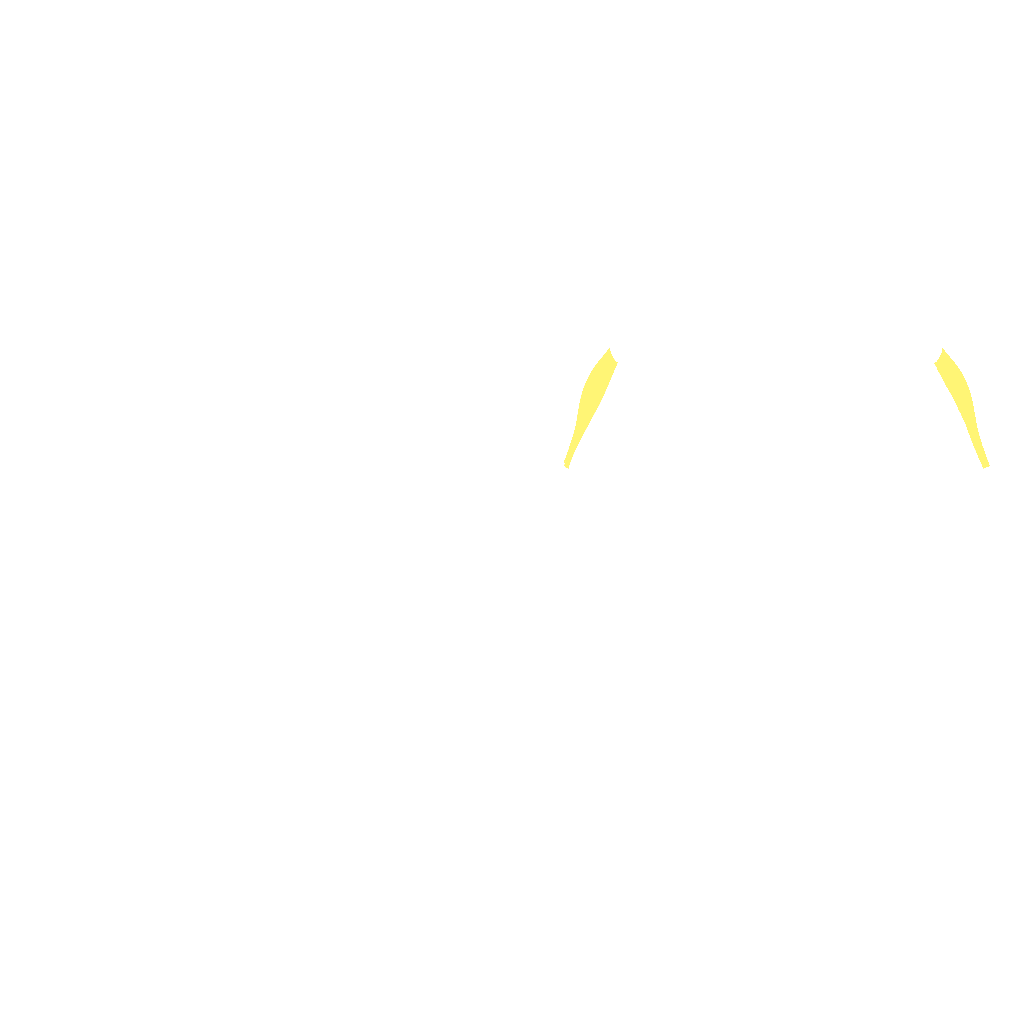
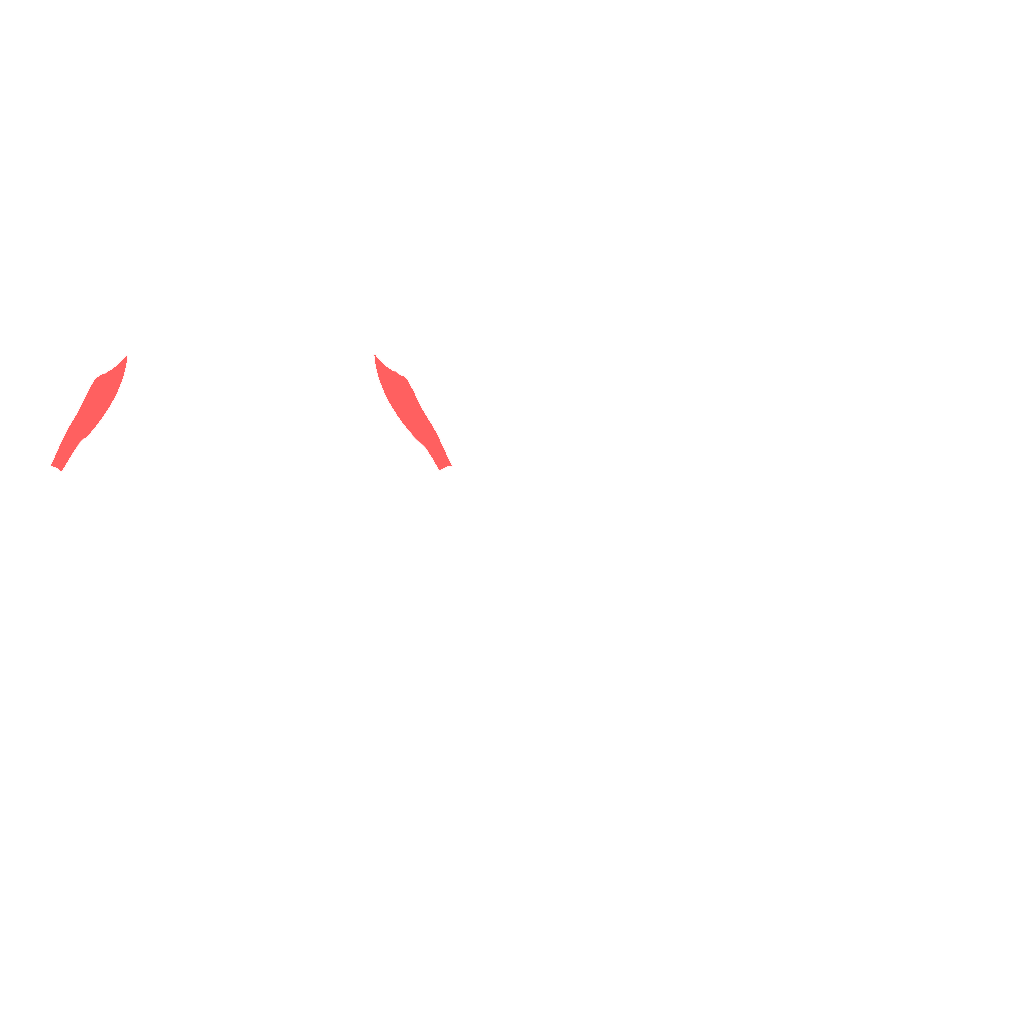
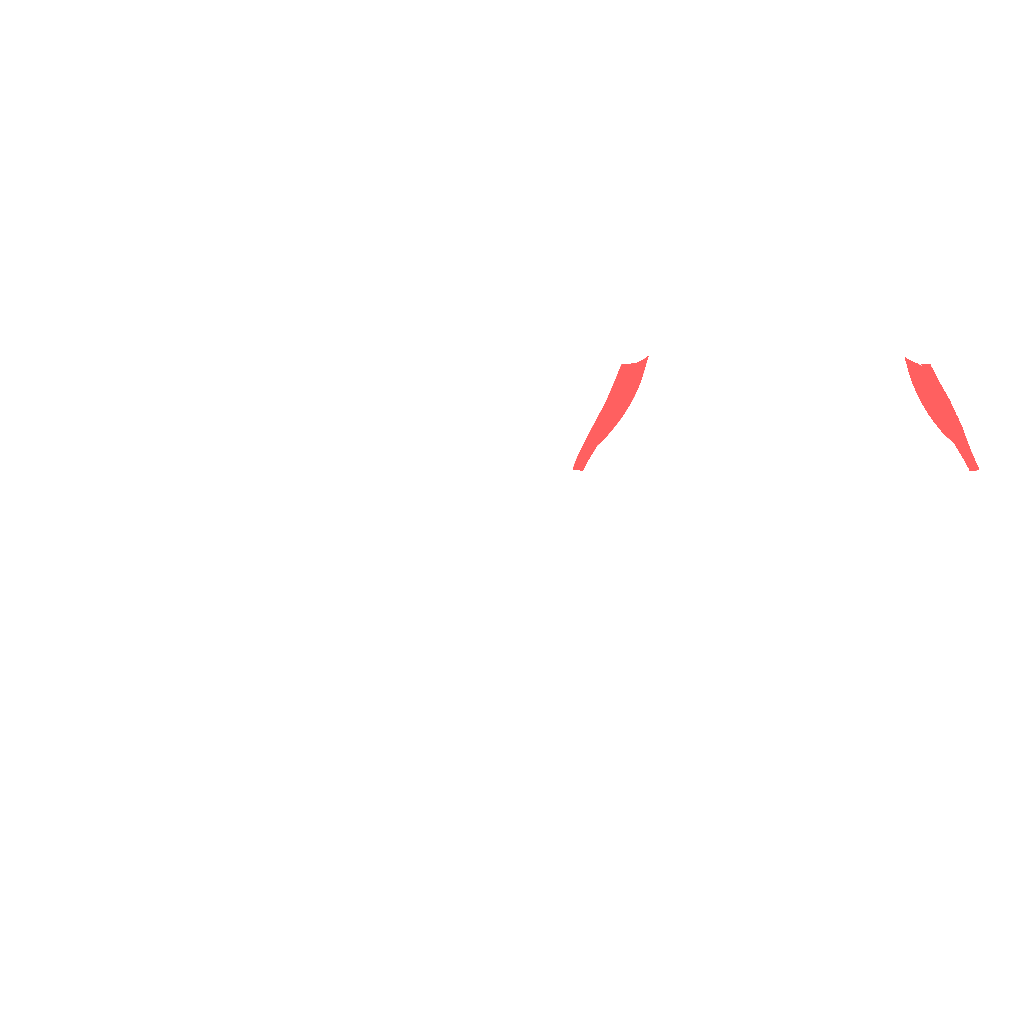
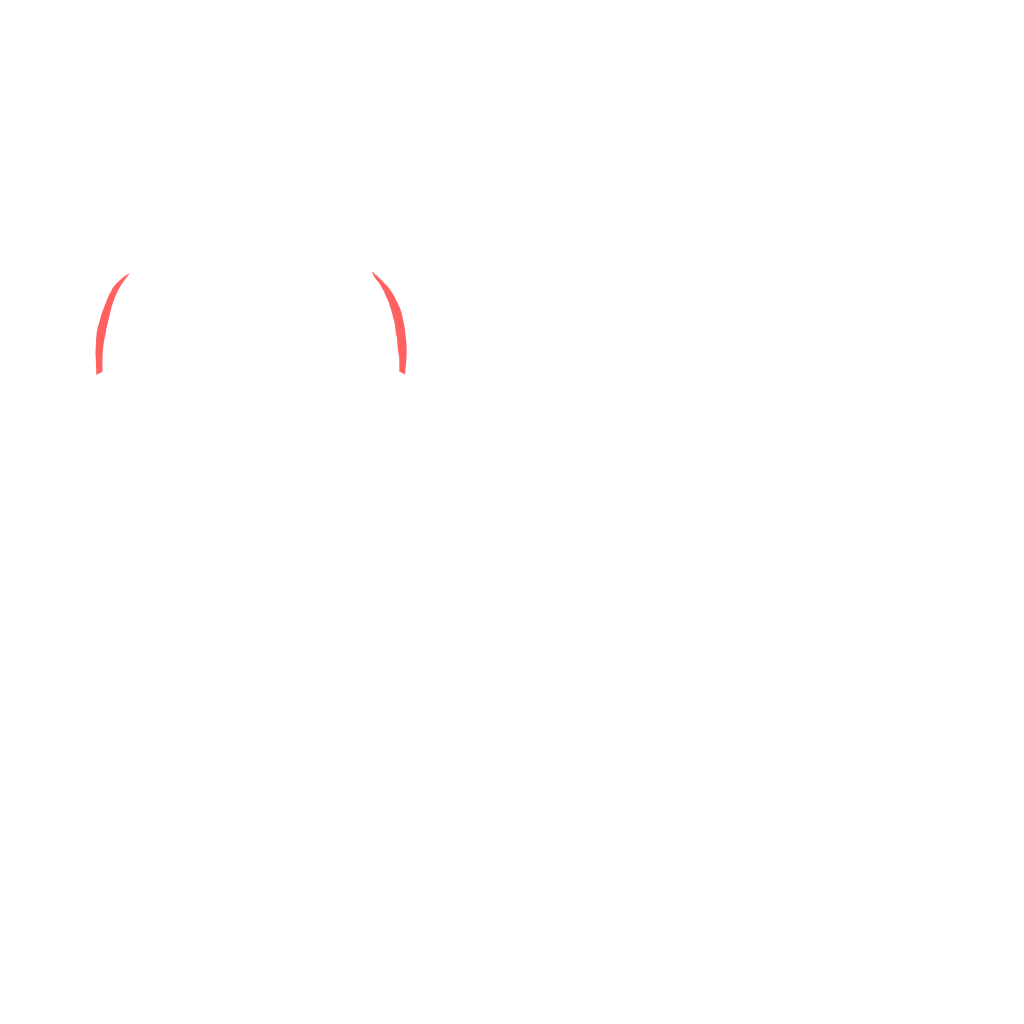
- Brachioradialis, Biceps Brachii Long Head, Biceps Brachii Short Head
- Browse by movement
- Elbow Flexion



- Target
- Brachioradialis, Biceps Brachii Long Head, Biceps Brachii Short Head
- Tertiary
- Extensors
How to do it
- 1
Stand on the middle of the band with feet about hip-width apart.
- 2
Hold an end in each hand with the palms facing each other and arms at your sides.
- 3
Keep the elbows pinned to your ribs and brace the core.
- 4
Curl the hands toward your shoulders while keeping the palms facing in.
- 5
Squeeze at the top without letting the elbows drift forward.
- 6
Lower under control to full extension and exhale as you curl.
Tips
- Keep the wrists straight and the palms facing each other the whole rep.
- Do not swing the torso; only the forearms should move.
- Pause at full stretch to kill any bounce out of the bottom.
- Widen your stance on the band to add resistance.
Variations
Common mistakes
- Standing on the band off-center gives one arm a longer band and less tension, and the difference grows across the set. Check that the two ends hang even before the first rep.
- Trapping the band under your toes lets it roll out from underfoot halfway through a set. Stand on it with the middle of the foot and keep your weight spread across the whole sole.
- Reaching a point where the band goes slack near full extension means the last inches train nothing. Use a shorter or thicker band so the ends stay loaded with the arms straight.
- The band pulls hardest at the top and helps you at the bottom, so the last third of the descent tends to free-fall. Resist it deliberately all the way down.
- Letting the band roll into a thin cord across your palm makes your grip the limiting factor instead of your arms. Hold it where it lies flat, or fold the end over a short handle.
Frequently asked
- How many reps of the band hammer curl should a beginner do?
- Bands do not come in fine increments, so count reps rather than kilos: three sets of 12 to 20, ending each set two or three reps before the elbows would start drifting. Tension peaks near the top, so hold the squeeze there for a beat. Progress by widening your stance, then by moving to the next band, then by adding a fourth set. Two or three sessions a week is comfortable, since the load is easy on the joints.
- What can I do instead of the band hammer curl if I have no bands?
- Anything you can hold in a neutral grip works. A pair of dumbbells is the direct swap and lets you load precisely; a backpack held by its top handle, two water jugs, or a kettlebell gripped by the handle all do the job at home. In a gym, a rope on a low pulley gives the constant tension a band gives without the slack at the bottom. With only a bar to hang from, a neutral-grip chin-up or a towel hang trains the same muscles under your own weight.
- What is the band hammer curl good for, and when is it not enough?
- It is a portable arm and forearm builder: the neutral grip loads the brachioradialis and brachialis, and the band's tension curve makes the top of the curl the hardest part. It suits home training, travel, higher-rep work, and anyone who wants arm volume with light joint stress. It is not enough on its own if you are chasing maximum arm size or strength, because a band runs out of usable tension quickly and the bottom of the range stays light. Pair it with a dumbbell or cable curl when you have one.
Related exercises
Other movements among FitRay's 2,000+ exercises that load the same target muscle — same equipment and level first.