Forearm Stand
Forearm Stand takes the head off the floor entirely, so the shoulders carry the whole load while the core and back extensors hold the body in a vertical line. The deltoids and the muscles that stabilize the shoulder blades work hard to keep the arms from splaying. It is one of the more demanding inversions and should follow solid Dolphin and Headstand practice; a wall is your friend while learning.
- Equipment
- Body Weight
- Type
- Balance, Stretching, Yoga
- Browse by muscle
- Deltoid Anterior, Deltoid Middle
- Browse by movement
- Core Brace








- Target
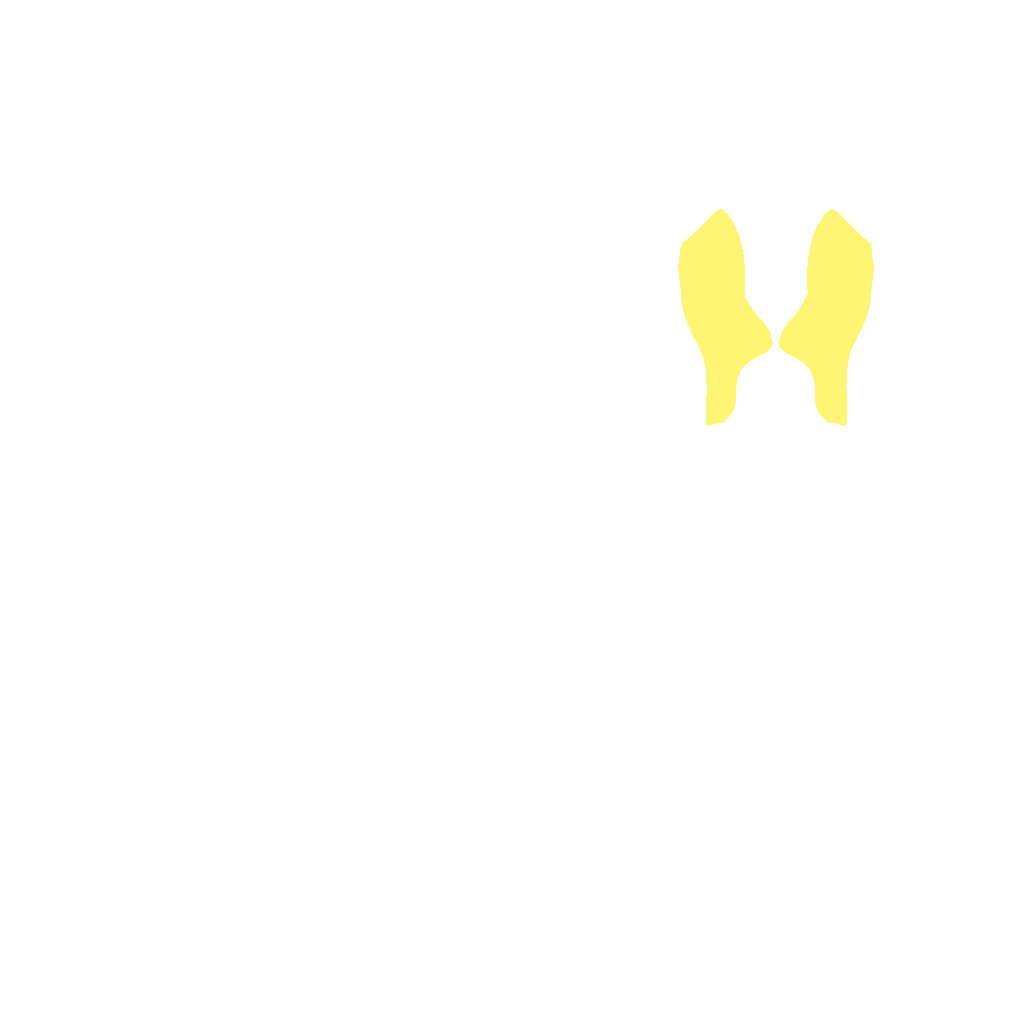
- Deltoid Anterior, Deltoid Middle
- Secondary
- Trapezius Lower, Trapezius Upper, Erector Spinae, Upper Rectus Abdominals
- Tertiary
- Latissimus Dorsi, Triceps Brachii Long Head
How to do it
- 1
From Dolphin Pose, set the forearms parallel and shoulder-width, elbows under the shoulders.
- 2
Spread the fingers and press the whole forearm evenly into the mat.
- 3
Walk the feet in toward the elbows to bring the hips over the shoulders.
- 4
Lift one leg straight up and float the second leg to meet it, keeping the core firm.
- 5
Reach through the feet and press the floor away to lengthen the whole line.
- 6
Hold with steady breath, then lower one leg at a time with control.
Tips
- Keep the elbows from sliding apart by pressing the inner wrists down.
- Stack the hips over the shoulders before floating the legs, rather than kicking wildly.
- Use a wall to catch the heels while you build the balance and shoulder endurance.
Variations
Common mistakes
- The kick is aimed at getting upside down rather than at stopping, so the body sails past the balance point and arcs over into a backbend the shoulders cannot catch.
- One leg swings up while the standing foot pushes off at the same instant, sending both legs past vertical before the shoulders have taken the weight.
- The head hangs down between the arms and the gaze falls toward the belly, which rounds the upper back and drags the hips out of the line.
- Ribs flare and the lower back arches into a banana, a shape that feels like a hold but is really a slow fall waiting for the shoulders to tire.
- Practicing without a bail-out plan leaves collapsing onto your back as the only exit; learn to step one leg down or turn out to the side before you leave the wall.
- Sessions run long because the balance is enjoyable, and forearm stands on tired shoulders are exactly where the elbows spread and the neck starts to compress.
Frequently asked
- How many forearm stand attempts should you do in one session?
- Treat it as skill practice done fresh: 6 to 10 attempts of 5 to 20 seconds with 60 to 90 seconds of rest, and finish while the entries still look controlled. Total time upside down matters more than any single hold, so several short attempts beat one long grind. Three sessions a week works if the shoulders recover between them. Before chasing free balance, hold the wall version for 45 seconds with a straight line and quiet elbows.
- How do you make the forearm stand easier or harder?
- Easier: put the heels on a wall, or hold Dolphin Pose with the feet walked in, which trains the same shoulder position with both feet on the ground. A partner standing at your hip is worth more than any prop while you learn where vertical is. Harder: hold longer, then press up from Dolphin with straight legs instead of kicking, then work toward a straddle or pike entry. Pressing in rather than kicking in is the real progression, because it proves the shoulders own the position.
- What is the forearm stand good for, and who should avoid it?
- It builds overhead shoulder strength, shoulder-blade control, and the trunk stiffness needed to hold a vertical line with no help from the head, and it is the natural next step for anyone with a solid Dolphin and headstand practice. It is a skill first and a strength exercise second, so it is a poor choice if shoulder size is the goal. Avoid it with shoulder impingement, elbow or wrist injury, or blood pressure and eye conditions, and avoid free attempts in a crowded space where an overshoot has nowhere to go.
Related exercises
Other movements among FitRay's 2,000+ exercises that load the same target muscle — same equipment and level first.
- AdvancedCrane PoseBody Weight · Abs · Shoulder
- AdvancedAdvanced Tuck Planche HoldBody Weight · Chest · Shoulder
- AdvancedCrow PoseBody Weight · Abs · Shoulder
- AdvancedCrow to Tripod HeadstandBody Weight · Abs · Shoulder
- AdvancedFlying Crow PoseBody Weight · Abs · Shoulder
- AdvancedFlying Pigeon PoseBody Weight · Abs · Shoulder