Headstand
Headstand asks the shoulders to hold much of the load while the forearms form a stable base and the crown of the head rests lightly on the floor. The deltoids and upper back press the body away from the ground as the deep core keeps the spine stacked and the legs floating overhead. It is a demanding balance that rewards patience: build the shoulder strength in Dolphin Pose and practice near a wall first.
- Equipment
- Body Weight
- Type
- Balance, Stretching, Yoga
- Browse by muscle
- Deltoid Anterior, Deltoid Middle, Erector Spinae
- Browse by movement
- Core Brace


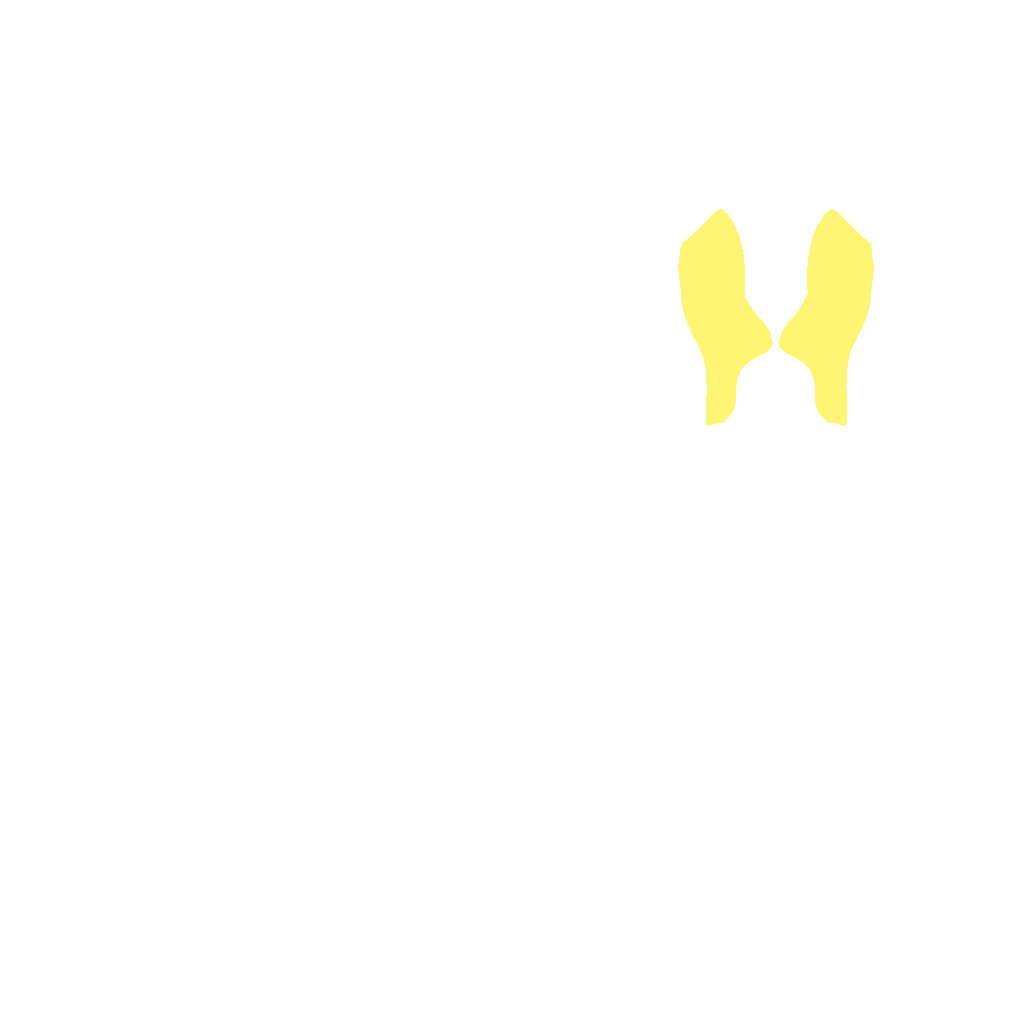







- Target
- Deltoid Anterior, Deltoid Middle, Erector Spinae
- Secondary
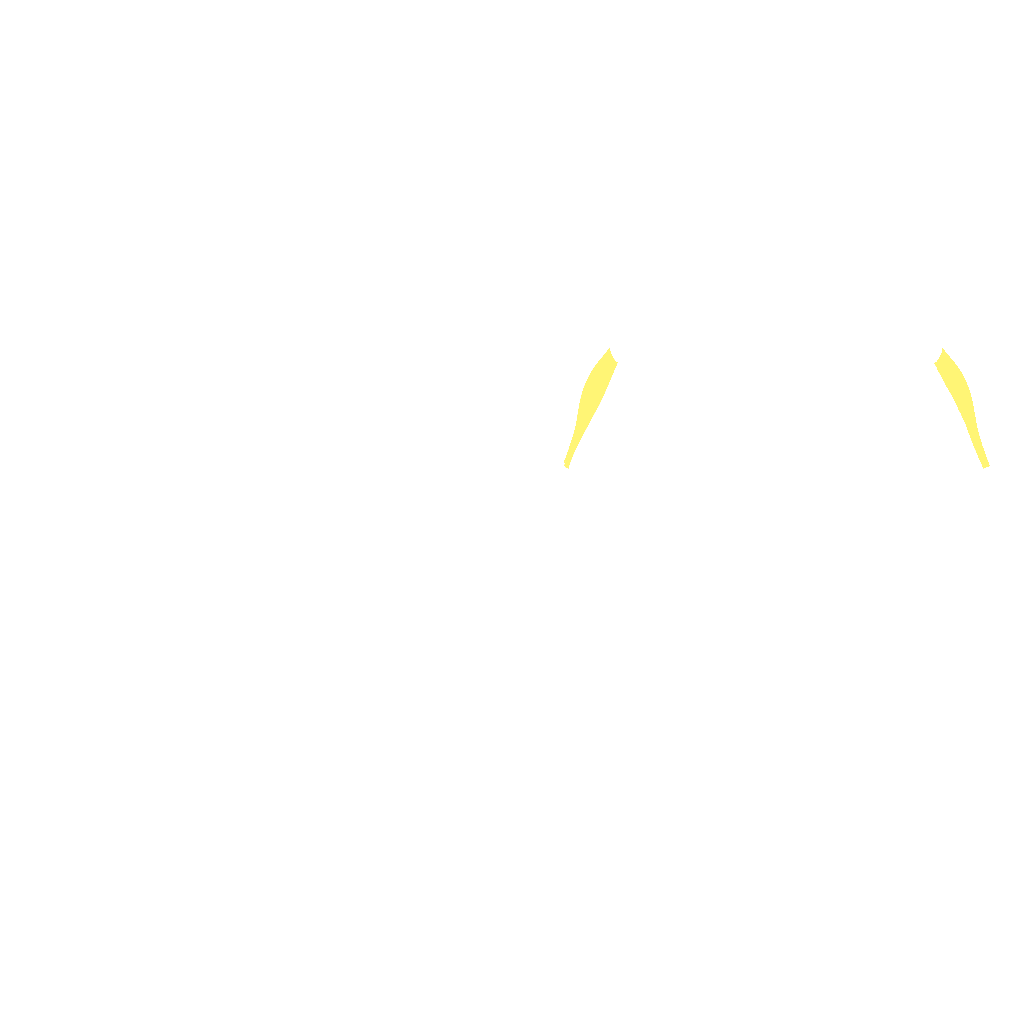
- Trapezius Upper, Trapezius Middle, Upper Rectus Abdominals, Abdominal External Oblique
- Tertiary
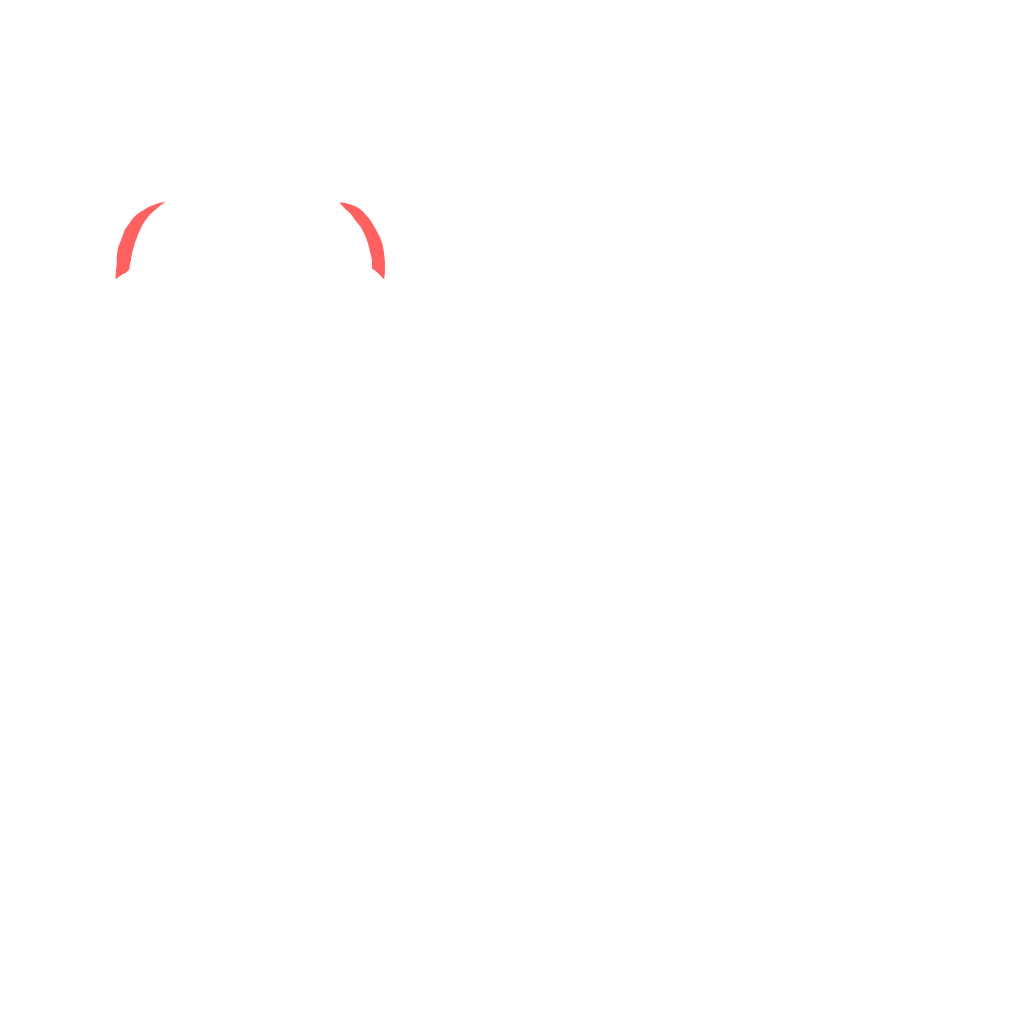
- Latissimus Dorsi, Extensors
How to do it
- 1
Kneel and place the forearms on the mat, clasping the hands to form a stable triangle.
- 2
Set the crown of the head lightly on the floor with the back of the head against the clasped hands.
- 3
Press the forearms down firmly and lift the hips, walking the feet in toward the elbows.
- 4
Draw the knees into the chest to find balance over the shoulders before extending.
- 5
Slowly reach the legs straight up, stacking hips over shoulders and feet over hips.
- 6
Hold with steady breath and even shoulder pressure, then lower with control the way you came up.
Tips
- Keep roughly ninety percent of the weight in the forearms so the neck stays safe.
- Engage the core to lift the legs rather than kicking up with momentum.
- Practice against a wall until you can find balance without swinging.
Variations
Common mistakes
- The elbows slide wider than shoulder-width as the hips lift, collapsing the triangular base and shifting more load onto the crown of the head.
- Kicking one leg up to launch the lift skips the controlled knee-draw the setup calls for and usually overshoots the balance point.
- Once the legs float, arching hard through the low back to stack the hips replaces core control with a lumbar crank.
- Resting the front of the head near the fingers instead of the crown against the heels of the palms lets weight roll forward onto the forehead.
- Sharp or shooting pain in the neck, as opposed to plain pressure, means the load has shifted off the forearms and the pose should end right there.
Frequently asked
- What is a sensible starting hold time for a headstand?
- Begin with three attempts of 10 to 15 seconds against a wall, coming down before the shoulders fatigue rather than pushing to failure. Build time in five-second increments only once you can hold with steady breath and no wobble, and treat a strong Dolphin Pose hold as the prerequisite before leaving the wall.
- How do you make the headstand easier or harder?
- Make it easier by keeping a wall a few inches behind you and tucking the knees to the chest instead of extending the legs. Make it harder by moving away from the wall, extending the legs slowly, or adding a slow single-leg lower and lift once the base hold is solid.
- What does the headstand train, and when should you skip it?
- It builds shoulder and upper-back pressing strength along with balance and deep core control, and doubles as a focus-building skill practice. Skip it if you have any neck injury, uncontrolled high blood pressure, or a headache or dizziness that day, and until Dolphin Pose feels strong and stable near a wall.
Related exercises
Other movements among FitRay's 2,000+ exercises that load the same target muscle — same equipment and level first.
- AdvancedCrane PoseBody Weight · Abs · Shoulder
- AdvancedPeacock PoseBody Weight · Back · Forearms
- AdvancedAdvanced Tuck Planche HoldBody Weight · Chest · Shoulder
- AdvancedCrow PoseBody Weight · Abs · Shoulder
- AdvancedCrow to Tripod HeadstandBody Weight · Abs · Shoulder
- AdvancedFlying Crow PoseBody Weight · Abs · Shoulder