Hand Cycle
The hand cycle, or arm ergometer, replaces pedals with hand cranks so the shoulders, arms, and back drive a continuous cardio effort with the legs completely at rest. That makes it invaluable for training around a lower-body injury, for wheelchair athletes, or for anyone wanting an upper-body-biased conditioner. Cranking against resistance builds shoulder and pulling endurance while still delivering a genuine aerobic stimulus.
- Equipment
- Machine
- Type
- Cardio
- Browse by muscle
- Deltoid Anterior, Deltoid Posterior, Latissimus Dorsi













- Target
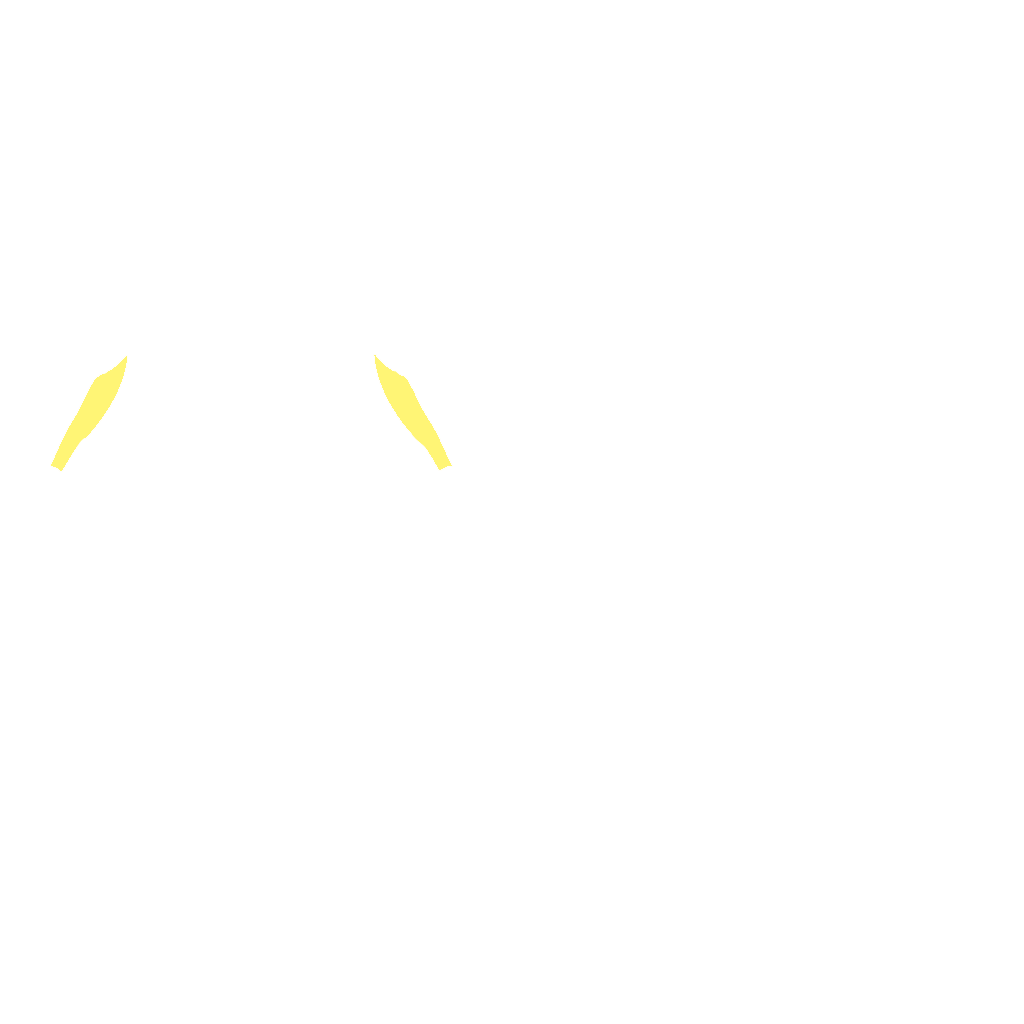
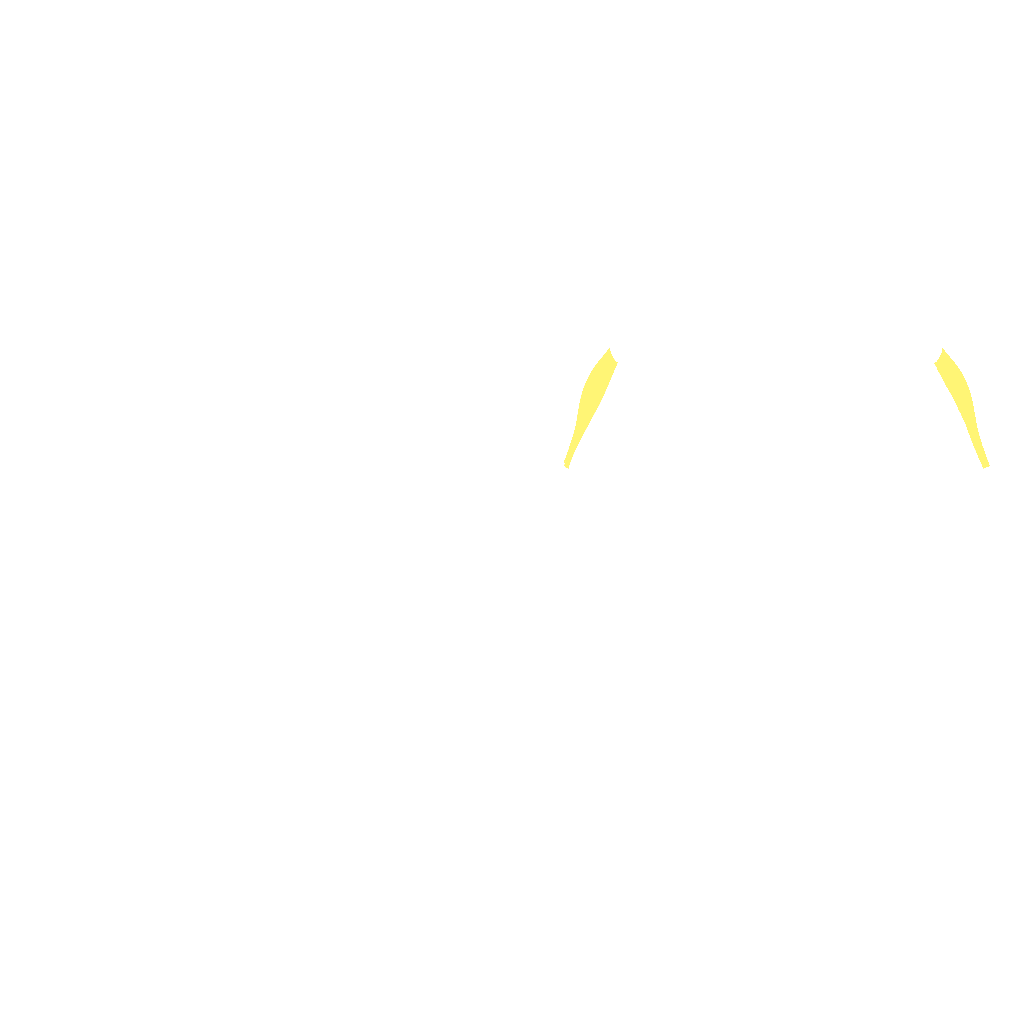
- Deltoid Anterior, Deltoid Posterior, Latissimus Dorsi
- Secondary
- Deltoid Middle, Pectoralis Major Sternocostal, Triceps Brachii Long Head, Biceps Brachii Long Head, Biceps Brachii Short Head, Trapezius Middle
- Tertiary
- Brachioradialis, Extensors, Upper Rectus Abdominals
How to do it
- 1
Adjust the seat or wheelchair position so the crank axle sits near shoulder height and the arms can nearly extend.
- 2
Grip the handles and set a light resistance to warm up the shoulders.
- 3
Crank the arms in smooth, continuous circles, pushing over the top and pulling through the bottom.
- 4
Keep the torso tall and braced so the shoulders do the work, not a rocking back.
- 5
Build to your target resistance or run intervals of hard and easy cranking.
- 6
Spin the arms easy for a few minutes to cool down.
Tips
- Drive through the whole circle, pushing and pulling, rather than only shoving at the top.
- Keep the shoulders down and the core braced so you are not heaving the whole trunk.
- Start conservatively; the shoulders fatigue faster than the legs, so ramp the effort gradually.
Variations
Common mistakes
- A crank axle set too high finishes every revolution with the shoulders shrugged, and the arms end up working above a line the joint is happy with.
- Sitting too far back leaves the elbows locking out at the top of each circle, which parks the load on the elbow joint instead of the shoulder and back.
- The chair or seat never gets locked, so it creeps backward as you crank and you spend the session chasing the machine; set the brakes before the first revolution.
- Wrists bend back over the handles under resistance, and that is where the ache turns up the next day; keep the knuckles in line with the forearm.
- One arm quietly does more than the other and the trunk drifts to follow it, so check now and then that both hands are tracing the same size circle.
Frequently asked
- How long should a beginner use a hand cycle?
- Eight to twelve minutes of easy cranking is a sensible first session, three times a week, split into two or three blocks with a minute of rest if the shoulders start to burn. Build toward 20 or 30 continuous minutes over a month before you add resistance, and save intervals of a minute hard against two easy until after that. Arms fatigue and get sore far faster than legs, so finish each session feeling you could have done a little more.
- What can I use instead of a hand cycle at home?
- Battle ropes give the same continuous arm-driven conditioning if you have the space and an anchor. Otherwise, circuit banded pull-downs, band presses and quick alternating punches with light dumbbells for a minute each with short rests. A ski erg or a rowing machine covers the pulling side if your gym has one. If you use the hand cycle because your legs are out of action, keep the substitute seated and stable so you are not fighting for balance while you work.
- Who is the hand cycle for, and when is it a poor choice?
- It delivers real cardio using only the shoulders, arms and back, which makes it valuable for wheelchair users, for training around a leg injury or recent lower-limb surgery, and for adding upper-body conditioning with no impact. It is a poor choice as your only aerobic tool if your legs work, since less muscle means less training effect for the same effort, and a poor choice while a shoulder is painful, because each revolution takes it through a full circle. After surgery, ask your clinician when to start.
Related exercises
Other movements among FitRay's 2,000+ exercises that load the same target muscle — same equipment and level first.
- BeginnerSeated Cable RowCables · Machine · Back
- BeginnerPlate-Loaded Chest-Supported RowMachine · Back · Lats
- BeginnerAssisted Chin-UpMachine · Biceps · Lats
- BeginnerAssisted Neutral-Grip Pull-UpMachine · Biceps · Lats
- BeginnerAssisted Pull-UpMachine · Back · Lats
- BeginnerConverging Machine Shoulder PressMachine · Shoulder