Hatfield Squat
Named for Dr. Fred Hatfield, this squat has you grip the rack uprights or handles for balance while the bar sits on your back, letting you push heavy or grind past failure without worrying about tipping over. The light assist from the arms removes the balance limitation, so the legs can be loaded and fatigued hard and safely. It shines for high-effort quad work and drop sets near the end of a session.
- Equipment
- Barbell
- Body part
- Quads
- Type
- Strength
- Browse by muscle
- Rectus Femoris, Vastus Lateralis
- Browse by movement
- Squat



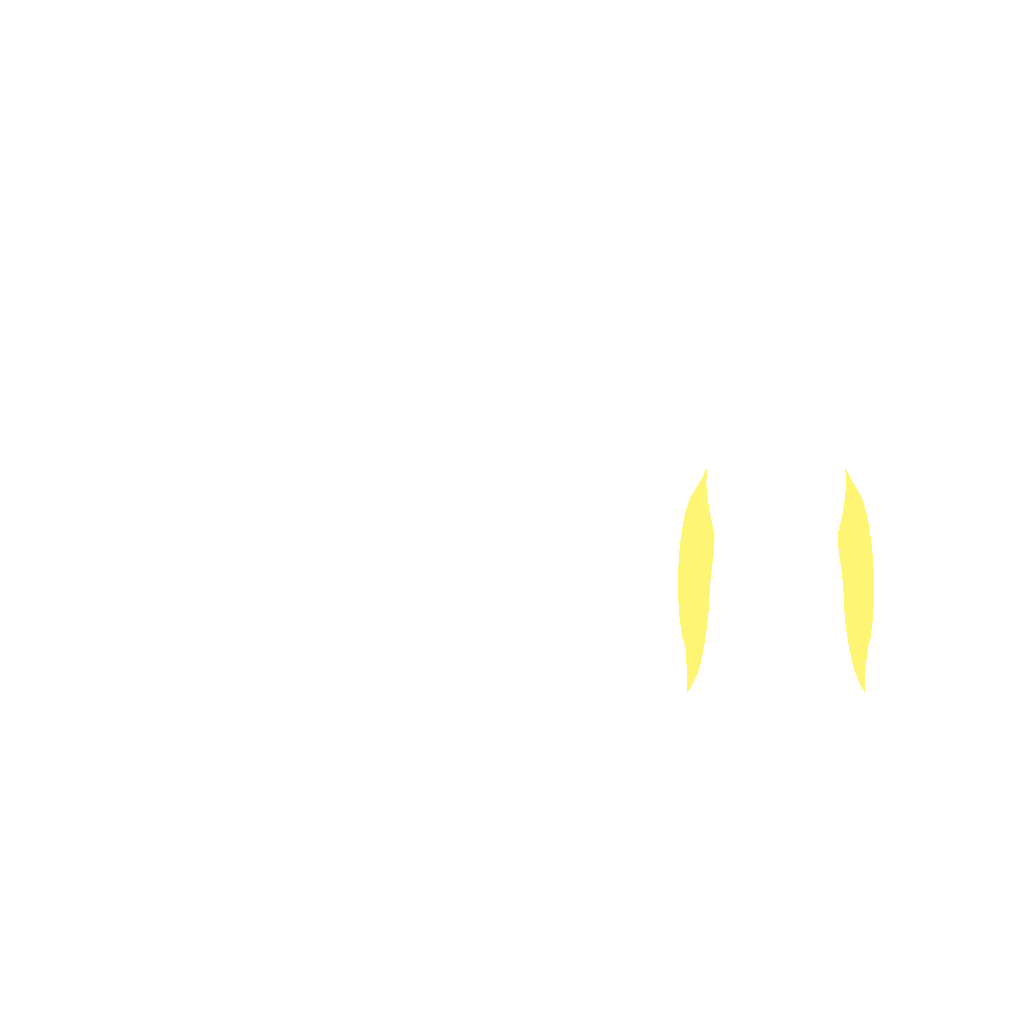

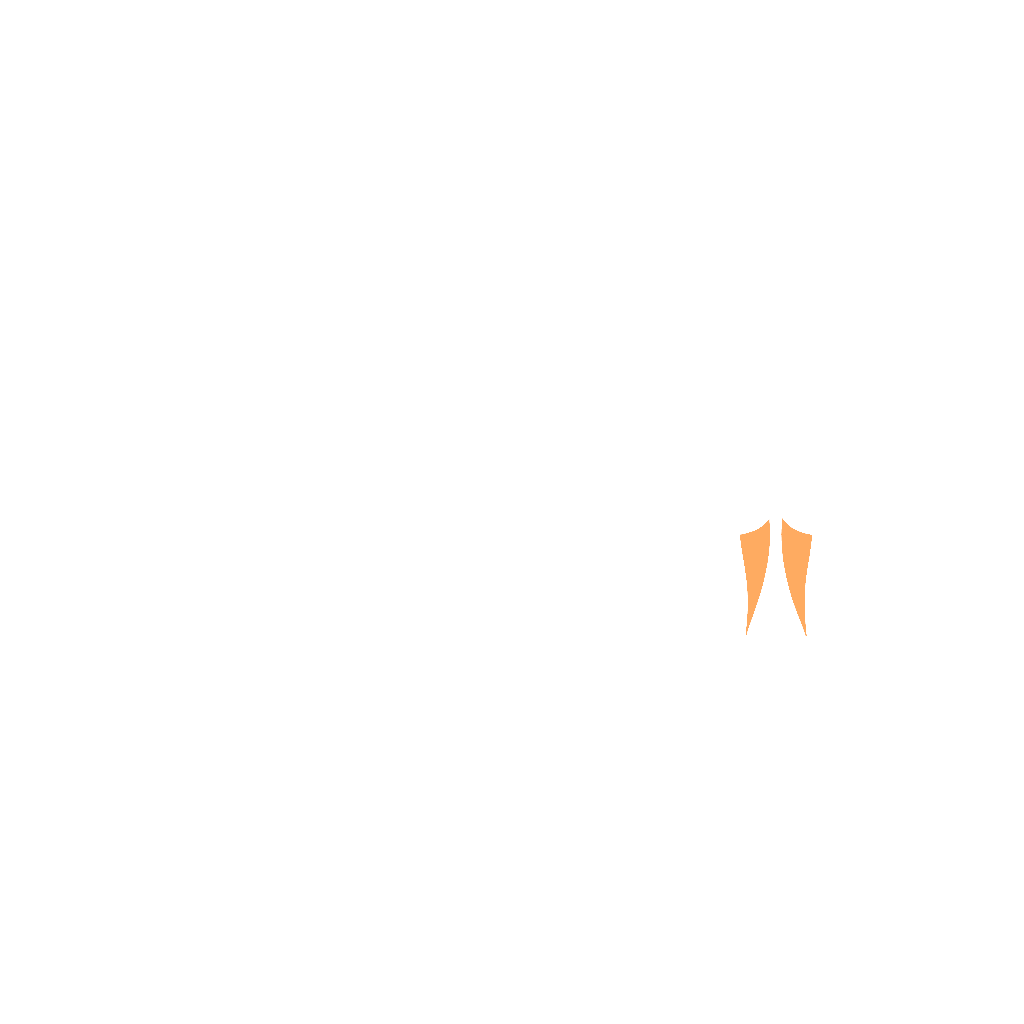


- Target
- Rectus Femoris, Vastus Lateralis
- Secondary
- Gluteus Maximus, Adductor Magnus
- Tertiary
- Erector Spinae, Biceps Femoris
How to do it
- 1
Set the bar, ideally a safety squat bar, across the traps and stand it out of the rack.
- 2
Position yourself just in front of the uprights and grip them or the attached handles.
- 3
Set a shoulder-width stance and brace your core.
- 4
Squat straight down, using your hand contact only to stay balanced.
- 5
Descend to at least parallel while keeping the legs doing the work.
- 6
Drive through the mid-foot to stand, giving the arms just a light assist through sticking points.
Tips
- Use the hands for balance and a small assist, not to pull yourself up rep after rep.
- Keep the torso and back tight; the supports remove the balance demand, not the bracing one.
- Reserve it for pushing effort safely rather than replacing your free-standing squats.
Variations
Common mistakes
- Hands grip the uprights up around head height, so the shoulders shrug and the arms pull instead of steadying. Hold on somewhere between chest and hip height, where a light push is all they can give.
- A straight bar gets used with nobody holding it, so it rolls up the neck as the torso shifts. The yoke of a safety squat bar stays where you put it, which is why the exercise is usually done with one.
- You stand so close that the knees meet the uprights at depth, or so far back that the arms are pulling you forward all set. Find the spot where the elbows can stay soft at the bottom.
- The weight goes beyond what you could lower back to the hooks unaided, and the hands cannot save a rep the legs cannot finish. Set the safeties at depth before the first set.
- The torso drifts forward as the arms take over the balancing job, and the bar ends up ahead of the mid-foot in a position you would never reach free-standing.
Frequently asked
- How should I use the Hatfield squat in a workout, and for how many reps?
- It earns its place at the end of a leg day, after your free-standing squats, where a set can be pushed hard without the balance risk. Two or three sets of eight to twelve, or one long drop set: take a weight to a hard stop, strip a plate a side, and go again. Rest two minutes. Add weight only when the hands stay quiet through the first two thirds of the set; if they are helping from rep one, the load is doing your thinking for you.
- What can I do instead of the Hatfield squat if my rack has no handles?
- Grip the rack uprights themselves, which is what most people do. Otherwise, pick a squat that removes the balance demand another way: a hack squat, a belt squat or a leg press all let you push close to failure without steering a bar. A safety squat bar with a spotter behind you covers similar ground. At home, holding a doorframe or a sturdy post during a bodyweight or dumbbell squat gives the same light assist for high-rep work.
- What is the Hatfield squat good for, and who should not rely on it?
- Holding on removes the balance limit, so the legs can be taken to a genuine stop and pushed past it with drop sets, which is why it shows up in high-effort quad work and in training around an injury elsewhere that makes free-standing squats awkward. It is a poor choice as your main squat, since the arms quietly do the stabilizing your trunk should be learning, and it is not the way to build a bigger competition squat. Anyone new to squatting should get comfortable without the handles first.
Related exercises
Other movements among FitRay's 2,000+ exercises that load the same target muscle — same equipment and level first.