Kettlebell Figure-8
Held in a partial hinge, the figure-8 threads the bell around each leg in a smooth loop, training the core to resist rotation while the hips and back hold a strong athletic position. The obliques and erectors do the anti-rotation work as the grip passes the bell hand to hand. It is an excellent coordination and core-conditioning drill that also builds a durable, hinged posture under a moving load.
- Equipment
- Kettlebells
- Type
- Functional
- Browse by muscle
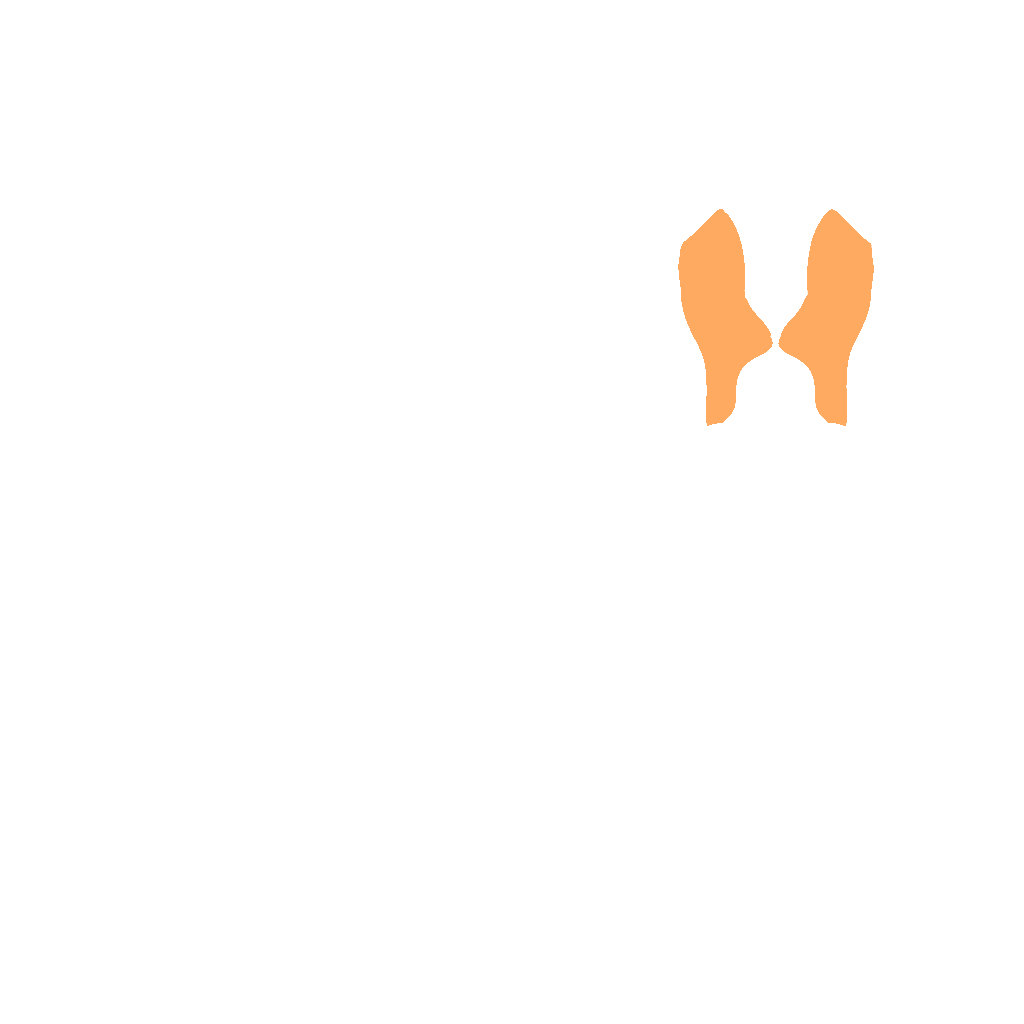
- Abdominal External Oblique, Erector Spinae, Gluteus Maximus
- Browse by movement
- Rotation











- Target
- Abdominal External Oblique, Erector Spinae, Gluteus Maximus
- Secondary
- Biceps Femoris, Semitendinosus, Latissimus Dorsi, Brachioradialis
- Tertiary
- Upper Rectus Abdominals, Deltoid Posterior
How to do it
- 1
Stand slightly wider than hip-width and hinge to a flat-backed athletic stance.
- 2
Hold the bell in one hand and pass it behind one knee to the other hand.
- 3
Bring that hand forward and pass the bell behind the opposite knee, tracing a figure-eight.
- 4
Keep your chest up and spine long as the bell weaves through your legs.
- 5
Move smoothly and control the hand-offs so the bell never yanks you out of the hinge.
- 6
Continue for the planned reps or time, then reverse the direction of the loop.
Tips
- Hold the hinge and let the arms and core move the bell; do not stand up and lose the position.
- Keep the bell close to your legs so the load stays manageable and the path stays tight.
- Brace your abs against the rotation rather than twisting your spine to chase the bell.
Variations
Common mistakes
- The receiving hand reaches too far forward to grab the bell, pulling the shoulder and chest out ahead of the hips instead of staying stacked in the hinge.
- The knees drift together as the bell passes behind them, narrowing the gap the hand-off is supposed to move through.
- Losing the hand-off partway through the pass lets the bell drop or swing loose for a moment instead of transferring cleanly.
- The head drops to watch the bell on every single pass, rounding the upper back forward over a set that is otherwise meant to stay long through the spine.
- The pace speeds up on the easier side of the pass, so the rhythm becomes uneven between the two hands instead of a steady loop.
Frequently asked
- How long should you do the kettlebell figure-8 for when you are new to the exercise?
- Two to three sets of 30 to 45 seconds of continuous passes is a good starting target, reversing direction each set. Once the hand-offs feel smooth and the hinge stays steady, extend the time before reaching for a heavier bell.
- What can replace the kettlebell figure-8 without a kettlebell?
- A light dumbbell or even a filled water jug passed hand to hand behind the legs trains the identical coordination and anti-rotation pattern. The exact shape of the object matters less than keeping a flat-backed hinge while you pass it.
- What is the kettlebell figure-8 good for, and when should you skip it?
- It is a coordination and core-conditioning drill that also grooves a durable hinge position under a moving load, making it a good warm-up or finisher rather than a strength builder on its own. Skip it if you cannot yet hold a flat-backed hinge for 30 seconds unloaded, since adding a moving weight only exposes that gap faster.
Related exercises
Other movements among FitRay's 2,000+ exercises that load the same target muscle — same equipment and level first.
- IntermediateKettlebell Figure-8 to HoldKettlebells · Abs · Shoulder
- IntermediateKettlebell Half Get-UpKettlebells · Abs · Shoulder
- IntermediateKettlebell Turkish Sit-UpKettlebells · Abs · Shoulder
- AdvancedTurkish Get-UpKettlebells · Abs · Shoulder
- AdvancedKettlebell Bent PressKettlebells · Abs · Shoulder
- BeginnerKettlebell Get-Up to ElbowKettlebells · Abs · Shoulder