Kneeling Adductor Rock-Back Stretch
A controlled way to open the groin one side at a time with your hands on the floor for support. Rocking the hips back scales the intensity precisely, so you can stop the moment the inner thigh says enough. Excellent prep before wide-stance squats, sumo pulls, or lateral work.
- Equipment
- Body Weight
- Body part
- Thighs
- Type
- Stretching
- Browse by muscle
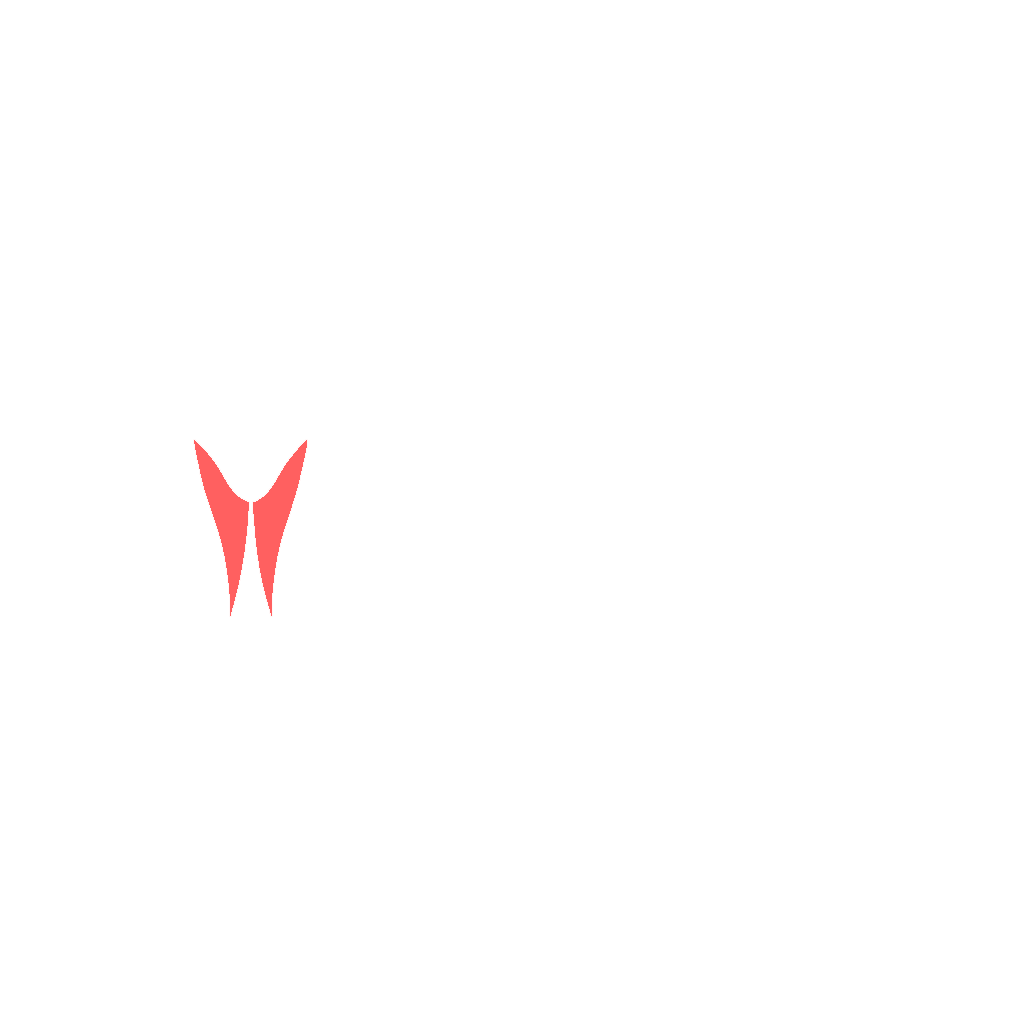
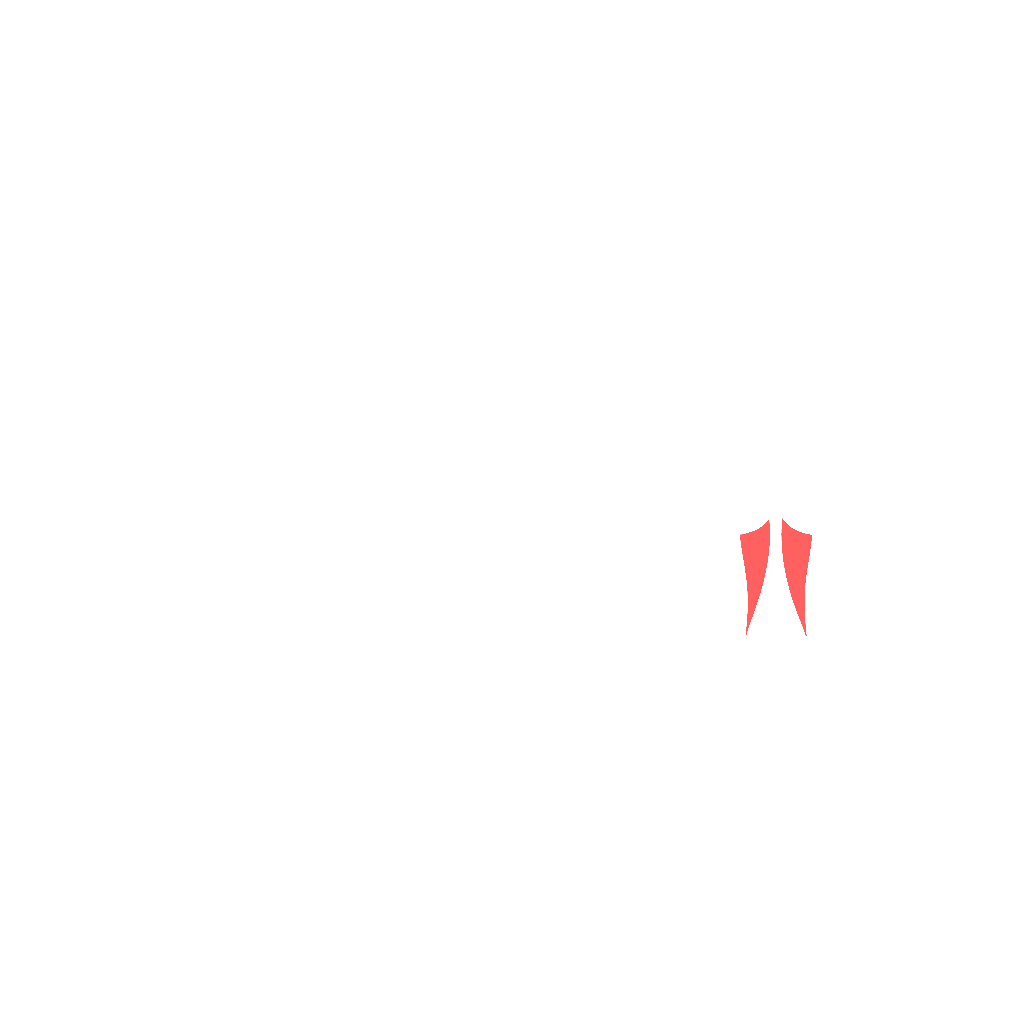
- Adductor Longus, Adductor Magnus



- Target
- Adductor Longus, Adductor Magnus
- Secondary
- Semitendinosus
How to do it
- 1
Kneel on all fours, then extend one leg straight out to the side with the foot flat and toes forward.
- 2
Keep the down knee under your hip and your hands on the floor.
- 3
Slowly rock your hips back toward the down heel until you feel the inner thigh of the straight leg lengthen.
- 4
Pause at a comfortable stretch and keep the extended knee straight.
- 5
Rock forward to release, and repeat before switching sides.
Tips
- Keep the sole of the extended foot flat to protect the knee.
- Move slowly; the groin responds better to a gradual load than a hard bounce.
- Keep your spine long rather than rounding as you rock back.
Variations
Common mistakes
- The extended leg is set out ahead of the hips rather than straight out to the side, so rocking back hits the hamstring and the inner thigh is missed entirely.
- The down shin lies flat but the knee rests on bare floor, and the hold ends because of knee discomfort rather than the groin; kneel on a folded towel.
- The chest drops toward the floor to manufacture more sensation, so the spine rounds and the hips stop travelling; keep the breastbone lifted and let only the hips move back.
- The hands are planted right under the shoulders, leaving the torso nowhere to go as the hips travel; walk them a hand's length forward before you start.
- The extended knee bends a little as the hips go back, which quietly takes the adductor off tension; keep that leg straight and stop at the point where it can stay straight.
Frequently asked
- How long should a beginner hold the kneeling adductor rock-back stretch?
- Three holds of twenty to thirty seconds per side, rocking slowly in and out between them. Use it before wide-stance squats, sumo deadlifts or lateral work, and on its own two or three times a week. Progress by sliding the extended foot further out to the side, which changes the angle at the hip, rather than by forcing the hips further back on the same setup. Keep both sides to the same number of holds even when one groin gives far more.
- How do I make the kneeling adductor rock-back stretch easier or harder?
- To make it easier, bring the extended foot in closer, set the hands on a low step or a couple of books to raise the torso, and rock back only a few centimetres. To make it harder, slide the foot further out, lower onto the forearms, hold for forty-five seconds, and at depth shift the hips slowly from side to side rather than bouncing. Pressing the extended foot down into the floor for five seconds before easing back usually gains a little range.
- What is the kneeling adductor rock-back stretch good for, and when should you choose something else?
- It opens the groin one side at a time with your hands on the floor, so you can meter the intensity precisely and stop the moment the inner thigh objects, which makes it good preparation for wide-stance squatting and lateral movement. Choose something else while a groin strain is still settling, since an end-range hold is not what healing tissue wants. For a long passive hold with nothing to support, the supine wall straddle or the wall-supported frog does the job with less to manage.
Related exercises
Other movements among FitRay's 2,000+ exercises that load the same target muscle — same equipment and level first.
- BeginnerLateral ShuffleBody Weight · Glutes · Quads
- BeginnerReclined Bound Angle PoseBody Weight · Chest · Thighs
- Beginner90/90 Adductor LiftBody Weight · Thighs
- BeginnerAdductor Rock BackBody Weight · Thighs
- BeginnerDemi-Plie Pulse (First Position)Body Weight · Quads · Thighs
- BeginnerGarland PoseBody Weight · Glutes · Thighs