Medicine Ball V-Up Pass
Passing the ball from hands to feet and back forces a full-range flexion of both the upper and lower rectus on every repetition, with the obliques stabilizing the transfer. The hand-off gives you an unmistakable target and keeps the reps honest. Use it as a demanding core strength and coordination drill.
- Equipment
- Medicine Ball
- Body part
- Abs
- Type
- Functional, Strength
- Browse by muscle
- Upper Rectus Abdominals, Lower Rectus Abdominals
- Browse by movement
- Spinal Flexion




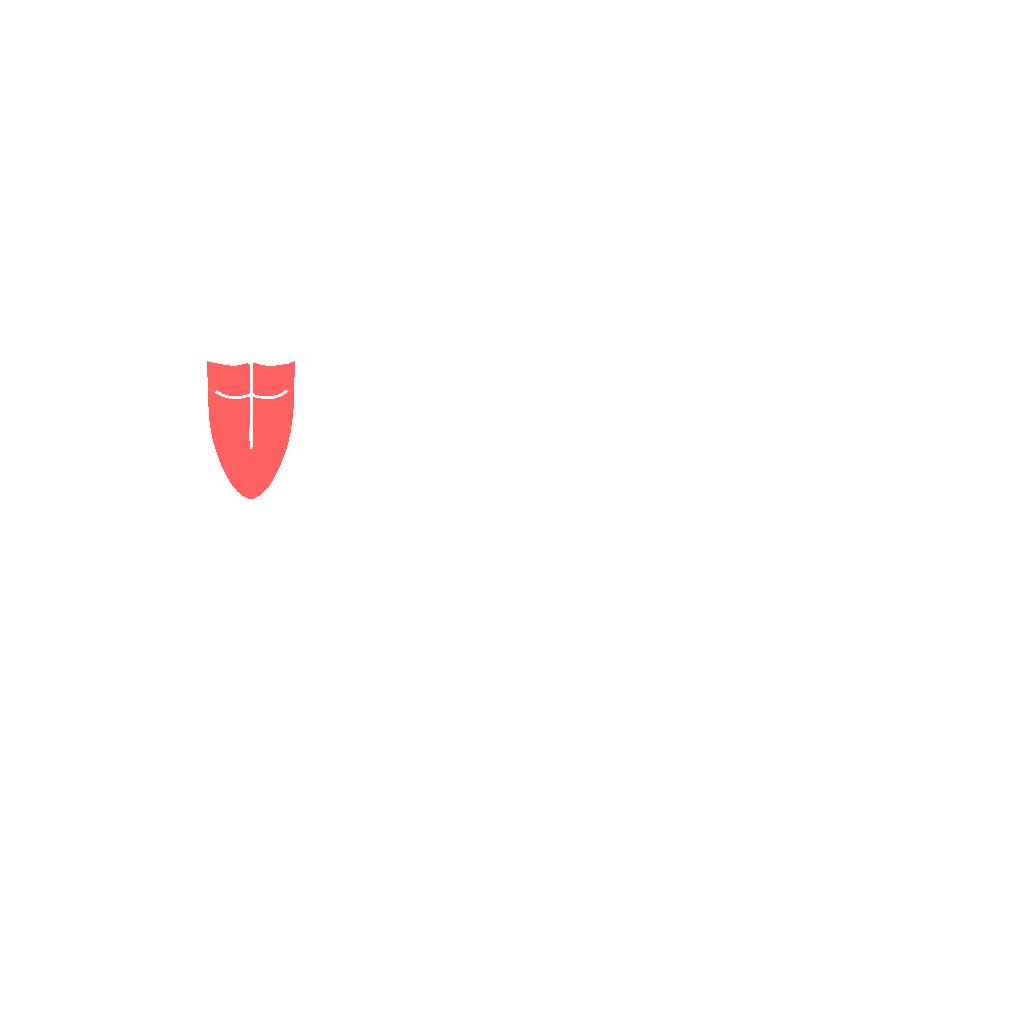

- Target
- Upper Rectus Abdominals, Lower Rectus Abdominals
- Secondary
- Abdominal External Oblique, Rectus Femoris
How to do it
- 1
Lie flat on your back holding the medicine ball overhead with both hands, legs straight.
- 2
Simultaneously raise the straight legs and torso to meet in a V, reaching the ball toward your feet.
- 3
Pass the ball from your hands and pinch it between your ankles or feet.
- 4
Lower back to the floor with the ball now held by the feet, arms overhead.
- 5
Rise into the next V-up and take the ball back into your hands.
- 6
Continue alternating the pass, keeping movements controlled.
Tips
- Reach long through the hips at the bottom to load the abs before each rise.
- Keep the legs as straight as your hamstring flexibility allows for a longer lever.
- If the full V is too much, bend the knees to shorten the lever.
Variations
Common mistakes
- The hand-off happens on the way back down rather than at the top of the V, so the ball changes hands in a half-folded position where neither end of the body controls it.
- Toes curl around the ball instead of the ankles clamping it, and it squirts loose on the first rep that goes quickly.
- Once the ball is in the feet the legs are heavier, and the heels end up resting on the floor between reps, which lets the abs switch off halfway through the set.
- Counting every pass as a rep makes a set of twenty sound impressive when it is ten V-ups; count full cycles, hands to feet and back again.
- The ball gets parked on the floor overhead at the bottom, so each rep restarts from a dead stop instead of the abs staying loaded between reps.
Frequently asked
- How many sets and cycles of the medicine ball V-up pass should I start with?
- Three sets of 6 to 8 full cycles with a 3 to 4 kg ball, resting a minute, where one cycle means a pass down to the feet and a pass back to the hands. Build to 10 clean cycles before adding weight, since a heavier ball on a straight-arm lever is felt in the low back long before it is felt in the abs. If the pass keeps getting fumbled, hold the ball and do medicine ball V-ups for a few weeks first.
- Can I pass something other than a medicine ball in the V-up pass?
- A small dumbbell, a light plate, a rolled towel, or even a shoe all do the job, since the object is mostly there to mark the top of the rep. Anything you can pinch between the ankles is easier to keep hold of than something with flat sides. Passing nothing and simply touching hands to feet turns this back into a plain V-up, which is the right call if tight hamstrings stop the legs coming up straight.
- Who is the medicine ball V-up pass for, and who should avoid it?
- It trains the upper and lower abs to fold at the same moment and adds a coordination task that keeps the reps honest, which makes it a strong finisher for anyone who already owns a clean bodyweight V-up. It is poor value as a first core exercise, because the pass will fail before the abs do. If your low back objects to repeated folding, an anti-extension drill such as a dead bug gives you trunk strength without a loaded lever swinging overhead.
Related exercises
Other movements among FitRay's 2,000+ exercises that load the same target muscle — same equipment and level first.
- IntermediateMedicine Ball Sit-Up ThrowMedicine Ball · Abs
- IntermediateMedicine Ball V-UpMedicine Ball · Abs
- BeginnerMedicine Ball Sit-UpMedicine Ball · Abs
- BeginnerMedicine Ball CrunchMedicine Ball · Abs
- BeginnerMedicine Ball Partner Sit-Up PassMedicine Ball · Abs
- IntermediateBicycle CrunchBody Weight · Abs