Medicine Ball Sit-Up Throw
The sit-up throw turns a standard crunch into a power exercise by asking the abs to accelerate the trunk and then transfer that speed into a throw at the top. Catching the ball on the way back adds an eccentric load that trains the abs to decelerate as well. It is a fun, competitive way to build explosive trunk flexion, best done with a partner or a wall close enough for a clean rebound.
- Equipment
- Medicine Ball
- Body part
- Abs
- Type
- Plyometric
- Browse by muscle
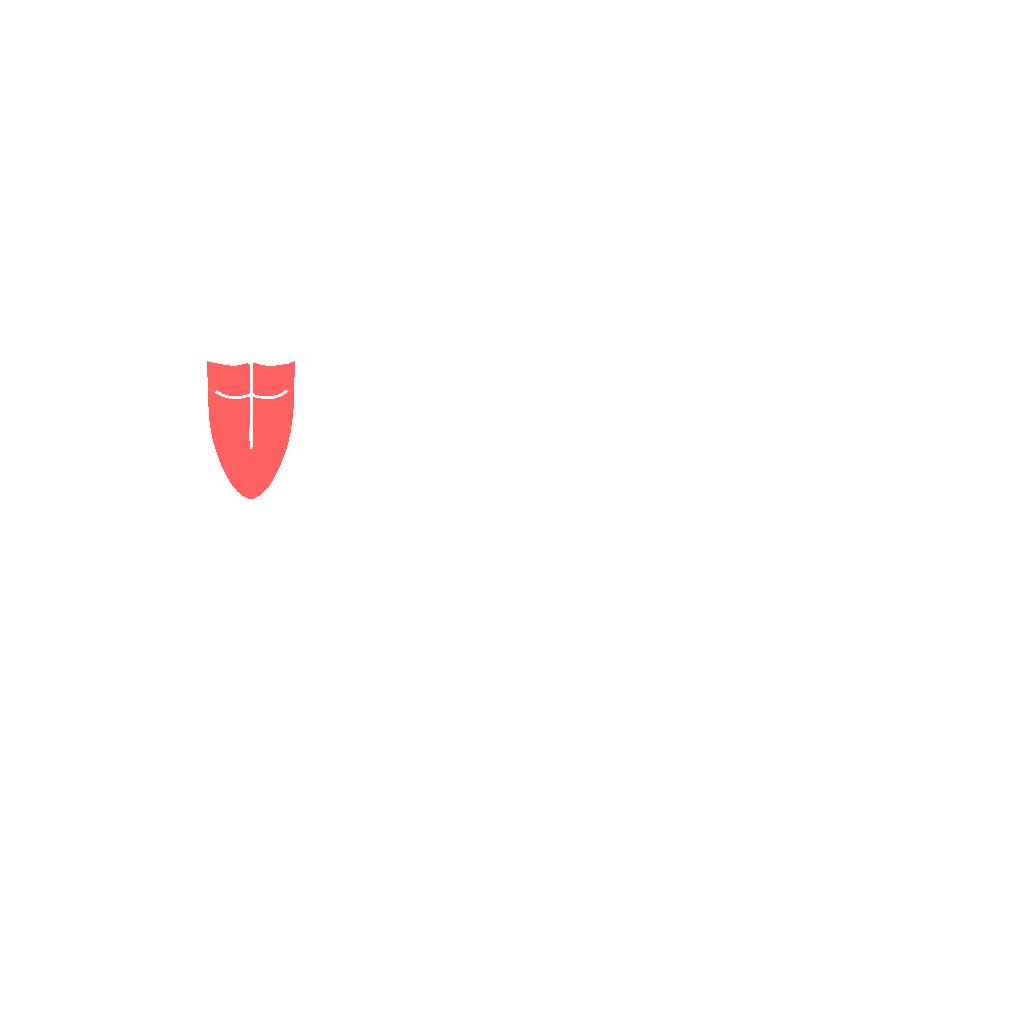
- Upper Rectus Abdominals, Lower Rectus Abdominals
- Browse by movement
- Horizontal Press, Spinal Flexion








- Target
- Upper Rectus Abdominals, Lower Rectus Abdominals
- Secondary
- Abdominal External Oblique, Pectoralis Major Sternocostal, Deltoid Anterior
- Tertiary
- Rectus Femoris, Triceps Brachii Long Head
How to do it
- 1
Sit on the floor with knees bent and feet anchored, holding the ball at the chest.
- 2
Lower the torso back toward the floor under control.
- 3
Fire the abs to sit up quickly and forcefully.
- 4
As you reach the top, throw the ball off the chest to a wall or partner.
- 5
Catch the returning ball at the chest and let it pull you back down.
- 6
Absorb the load into the next rep and continue the rhythm.
Tips
- Throw at the very top of the sit-up so the trunk speed feeds the pass.
- Keep the throw a crisp chest pass rather than a lazy heave with the arms.
- Anchor the feet or have a partner hold them so you stay planted as you sit up fast, and lead with the ribs so the abs start each rep.
Variations
Common mistakes
- The torso free-falls back to the floor between reps instead of lowering under control, so every rep restarts from a dead bounce rather than live ab tension.
- A throwing spot too far from the wall turns the rebound into a slow lob instead of the crisp pass the rhythm depends on.
- The chin juts and the neck leads the sit-up instead of the ribs driving toward the pelvis, straining the neck on every rep.
- Catching the ball out at arm's length instead of at the chest turns the eccentric catch into a wrist-and-finger grab rather than a trunk deceleration.
Frequently asked
- How many reps of the medicine ball sit-up throw should you start with?
- Start with 2-3 sets of 8-10 throws, resting long enough between sets that every rep stays a crisp, controlled pass rather than a tired heave. Because the catch loads the abs eccentrically, quality drops fast once fatigue sets in, so stop a set short of failure instead of grinding out extra reps. Add a third or fourth set before you add reps within a set.
- What can you use instead of a medicine ball for the sit-up throw?
- A regular sit-up holding a light dumbbell or plate at the chest trains the same fast trunk flexion without the throw and catch. If you have a ball but no wall, a partner sitting a few feet away who tosses it back works just as well as a rebound surface.
- What is the medicine ball sit-up throw good for, and who should skip it?
- It builds explosive trunk flexion and trains the abs to decelerate a moving load, which suits athletes who need power in a braced core. Skip it, or keep the throw light, if your lower back rounds heavily under load or you have a history of disc issues, since repeated forceful flexion is the last thing that spine needs.
Related exercises
Other movements among FitRay's 2,000+ exercises that load the same target muscle — same equipment and level first.
- IntermediateMedicine Ball V-UpMedicine Ball · Abs
- IntermediateMedicine Ball V-Up PassMedicine Ball · Abs
- BeginnerMedicine Ball Sit-UpMedicine Ball · Abs
- BeginnerMedicine Ball CrunchMedicine Ball · Abs
- BeginnerMedicine Ball Partner Sit-Up PassMedicine Ball · Abs
- IntermediateBicycle CrunchBody Weight · Abs