Medicine Ball Sit-Up
The sit-up trains the rectus through a longer range than the crunch and brings in the hip flexors as you clear the floor. Adding a med ball scales the resistance without any machine. It is a dependable, teachable core builder for beginners and a solid warm-up for the partner sit-up pass.
- Equipment
- Medicine Ball
- Body part
- Abs
- Type
- Strength
- Browse by muscle
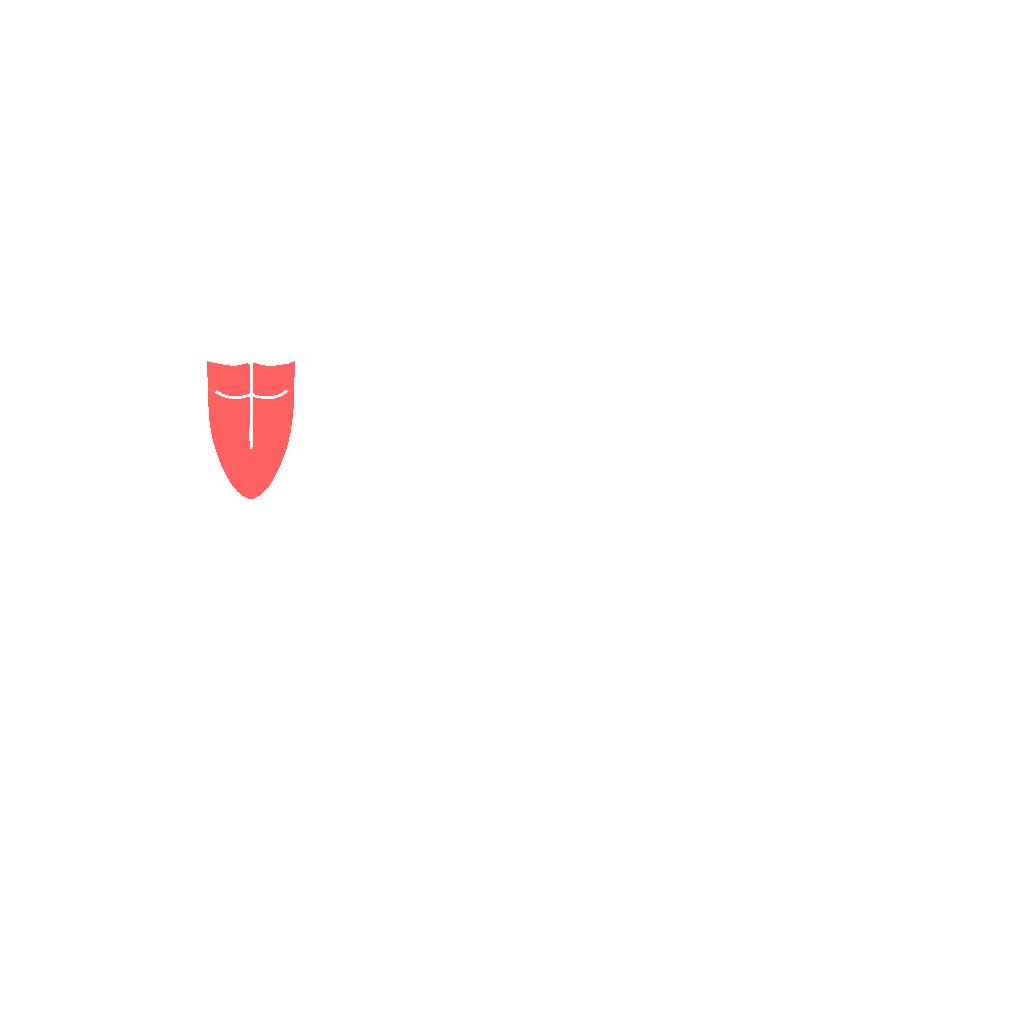
- Upper Rectus Abdominals, Lower Rectus Abdominals
- Browse by movement
- Spinal Flexion





- Target
- Upper Rectus Abdominals, Lower Rectus Abdominals
- Secondary
- Abdominal External Oblique, Rectus Femoris
How to do it
- 1
Lie on your back with knees bent, feet anchored or flat on the floor.
- 2
Hold the medicine ball against your chest with both hands.
- 3
Exhale and curl up sequentially, peeling the spine off the floor until your torso is upright.
- 4
Keep the ball close to the chest and the chin neutral.
- 5
Inhale and lower with control, laying the spine back down one segment at a time.
- 6
Avoid throwing yourself up with momentum.
Tips
- Roll up vertebra by vertebra rather than hinging as one rigid block.
- Hold the ball overhead to increase difficulty once the chest position feels easy.
- If your feet lift, hook them under a bench or have a partner hold them.
Variations
Common mistakes
- The ball drifts away from the chest on the way up, and a ball held out in front is a long lever the lower back has to hold rather than extra work for the abs.
- A heavy ball comes off the rack before the unloaded version is smooth, and the first thing it costs is the segment-by-segment curl the movement is built around.
- Hands squeeze the ball hard enough that the shoulders creep toward the ears, so the set finishes with a tired neck and a midsection that barely worked.
- The ball is rocked backward and driven forward to start each rep, which lifts you with momentum and leaves the abs with almost nothing to do.
- A soft slam ball flattens against the chest until the arms are hugging rather than holding, and the load quietly slides down toward the belly.
- The ball gets set on the floor between reps for a breather, and each pick-up rounds the back under load; hold it on the chest or put it down deliberately.
Frequently asked
- How many sets and reps of the medicine ball sit-up should a beginner do?
- Three sets of 8 to 12 reps holding a ball of 3 to 4 kg, resting about a minute, twice or three times a week. Take two seconds up and two seconds down. Move up in 1 to 2 kg steps only once every rep still peels the spine off the floor at the end of the third set. If twelve reps are not there yet, do the same movement with no ball at all and add it back once the curl is smooth.
- What can I use instead of a medicine ball for the medicine ball sit-up?
- A dumbbell held by one head, a kettlebell cupped by the horns, or a weight plate all work, though none of them sit as comfortably against the ribs. At home, a backpack with books in it, a large water bottle, or a bag of rice does the job and costs nothing. If you have no weight at all, reaching both arms overhead through the whole rep lengthens the lever and makes the unloaded sit-up meaningfully harder.
- What is the medicine ball sit-up good for, and who should choose something else?
- It is a straightforward way for a beginner to load trunk flexion, it teaches the sequential curl that heavier core work depends on, and it doubles as preparation for partner passing drills. The ball is easy to hold and easy to scale in small jumps. It is a poor choice for anyone whose lower back objects to repeated spinal flexion, where a dead bug or a plank builds trunk strength without the bending, and it does nothing for rotation or anti-extension, so it should not be the only core exercise you do.
Related exercises
Other movements among FitRay's 2,000+ exercises that load the same target muscle — same equipment and level first.