Partner-Assisted Pancake Stretch
The pancake is a demanding adductor and hamstring stretch that also mobilizes the hips into a flat forward fold. A partner's controlled pressure on the back lets an advancing trainee reach a floor-facing depth safely, provided the hinge comes from the hips. Treat it as an intermediate drill and build depth patiently over weeks.
- Equipment
- Body Weight
- Type
- Stretching
- Browse by muscle
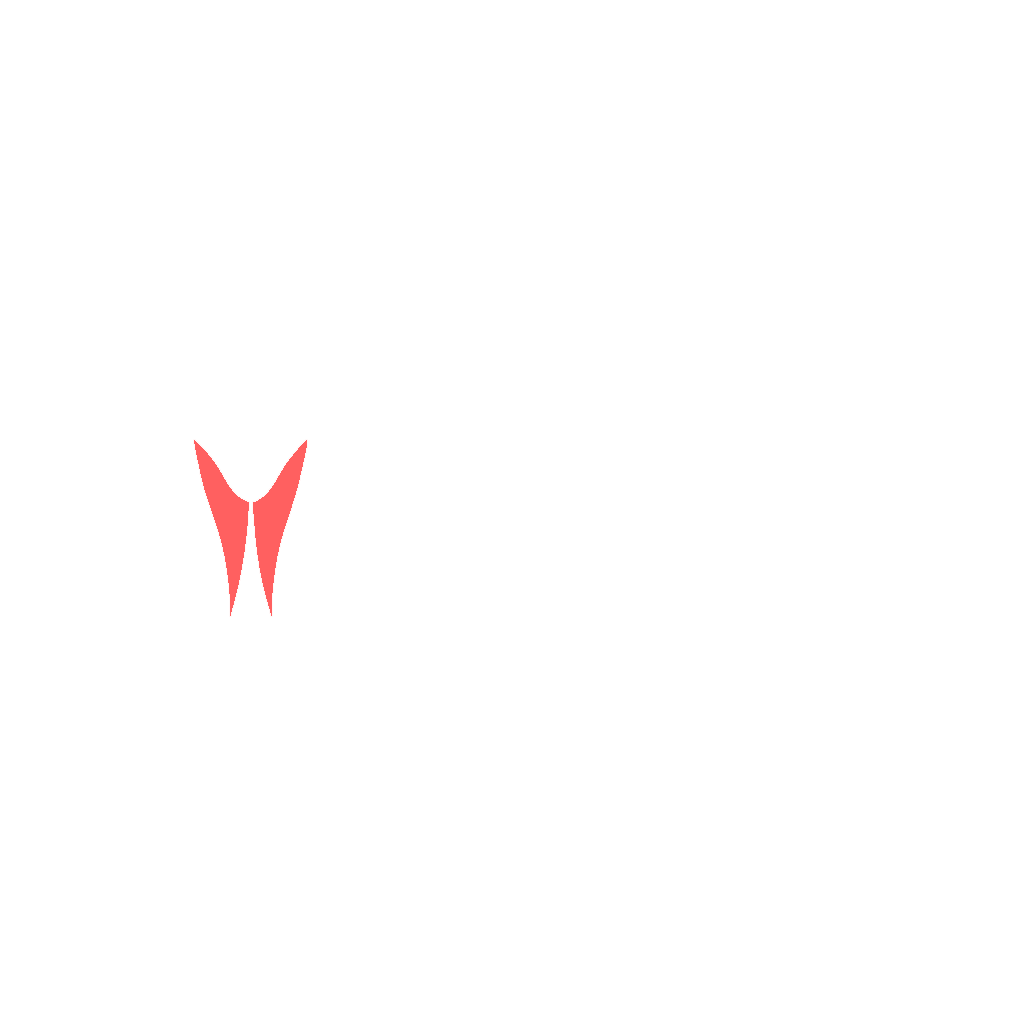
- Adductor Longus, Adductor Magnus







- Target
- Adductor Longus, Adductor Magnus
- Secondary
- Biceps Femoris, Semitendinosus, Erector Spinae
- Tertiary
- Gluteus Maximus
How to do it
- 1
Have the trainee sit in a wide straddle with legs straight, toes up, and spine tall.
- 2
Kneel behind the trainee and place both hands low on their back, just above the pelvis.
- 3
Cue the trainee to tilt the pelvis forward and reach the chest out and down between the legs as they exhale.
- 4
Apply slow, even pressure to guide the torso lower, stopping at a strong but tolerable stretch through the inner thighs and hamstrings.
- 5
Hold for 20 to 30 seconds keeping the back as long as possible, then ease up gradually.
- 6
Communicate constantly and never press into a rounding or straining back.
Tips
- Chase depth from the hip hinge; a long spine keeps the stretch on the adductors and hamstrings.
- Keep the kneecaps and toes pointing up so the knees stay protected.
- Increase pressure in small increments and hold rather than bouncing.
- This is an advanced range for many; only progress depth as flexibility improves.
Variations
Common mistakes
- Knees locked hard under a partner's pressure take the load behind the joint rather than in the inner thigh; leave a few degrees of softness, especially with a trainee whose legs hyperextend.
- Socks on a smooth floor let the legs slide wider as the pressure arrives, and the trainee ends up at an angle they did not choose; work on a mat with bare feet.
- The trainee reaches the arms forward and pulls along the floor, so the chest travels while the pelvis stays tipped back; have them lead from the hip crease and keep the hands light.
- Pressure that arrives on the inhale has the trainee's expanding ribs working against your hands; wait for the breath out, take the slack, then hold it steady.
- The exit gets treated as finished business and the trainee sits up fast with the legs still spread; release the pressure, let them walk the hands back, then bring the legs together.
Frequently asked
- How long should the partner-assisted pancake stretch be held?
- Twenty to thirty seconds per hold, two or three holds, once or twice a week, with the partner arriving over the first few seconds rather than pressing straight to depth. This position changes over months rather than sessions, so the useful measure is whether the chest sits an inch lower than it did a few weeks ago at the same straddle width. Widen the legs only once the pelvis tips forward freely at the width you already use.
- What can I do instead of the partner-assisted pancake stretch with no partner?
- Sit in the same straddle facing a wall, walk the hands up it, and lower the chest at your own pace, or loop a strap around each foot and pull gently as you hinge. Lying on your back with the legs open against a wall lets gravity do the pressing with no force from anyone. A pair of low blocks under the hands lets you hold a long-spine position for minutes, which is what the partner's pressure is standing in for.
- What is the partner-assisted pancake stretch for, and who should not do it?
- It opens the adductors and hamstrings together and trains the pelvis to tip forward in a wide straddle, which is what middle splits, deep wide squats, and a lot of floor gymnastics rely on, and a partner's steady pressure takes a trainee further than they reach alone. It is not a beginner's position: anyone whose pelvis still tips backward in a plain straddle should build that first. Skip it with a current groin or hamstring strain, and with any pair who cannot keep talking through the hold.
Related exercises
Other movements among FitRay's 2,000+ exercises that load the same target muscle — same equipment and level first.
- IntermediateLunge MatrixBody Weight · Glutes · Quads
- IntermediateCariocaBody Weight · Glutes · Thighs
- IntermediateCossack SquatBody Weight · Kettlebells · Glutes
- IntermediateCossack Squat HoldBody Weight · Glutes · Thighs
- IntermediateCossack to ShinboxBody Weight · Glutes · Thighs
- IntermediateDeep Squat HoldBody Weight · Glutes · Thighs