Pilates Ball Chest Lift
The chest lift is Pilates shorthand for a controlled upper-abdominal curl, and holding a small ball keeps the arms honest and the shoulders relaxed. You peel the head and shoulders off the mat one vertebra at a time, then lower with the same control. It teaches spinal articulation and deep abdominal recruitment far better than a fast, jerky crunch.
- Equipment
- Pilates Ball
- Body part
- Abs
- Type
- Pilates, Strength
- Browse by muscle
- Upper Rectus Abdominals
- Browse by movement
- Spinal Flexion




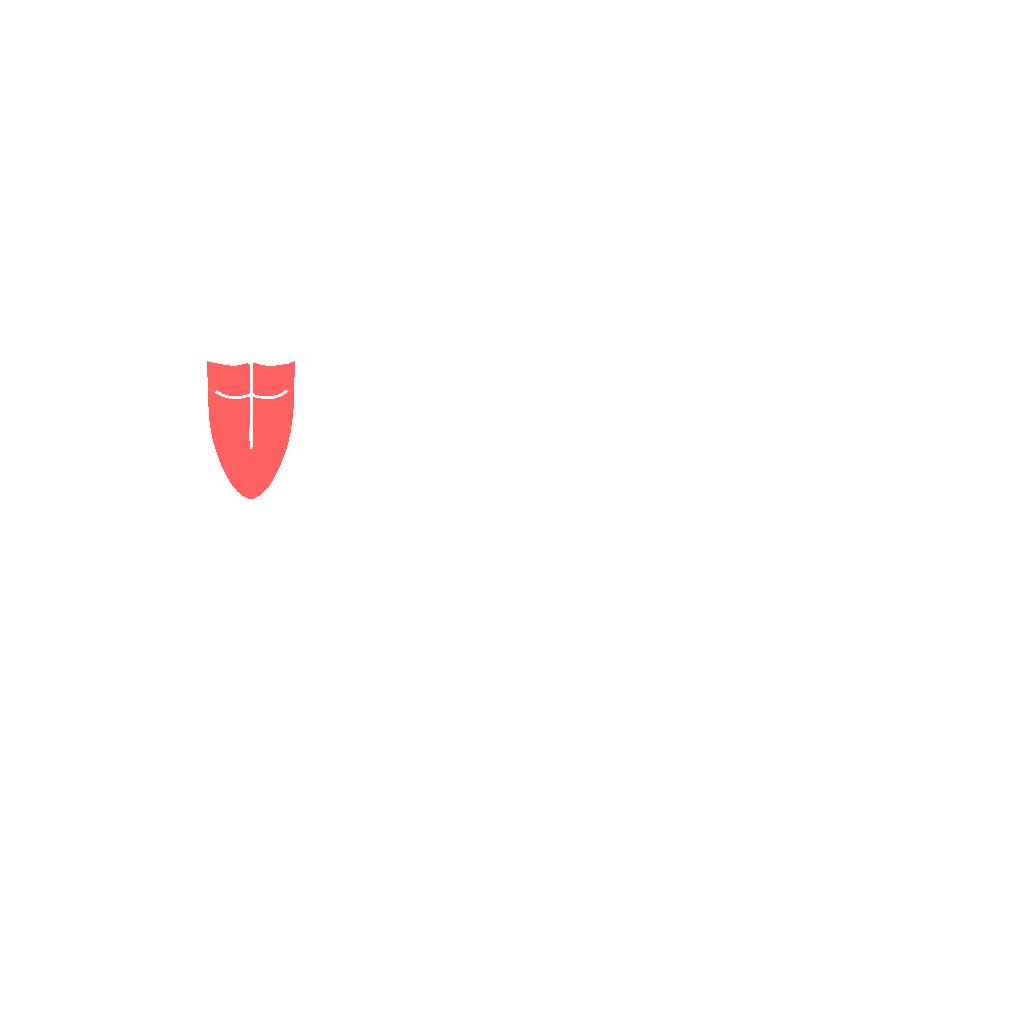
- Target
- Upper Rectus Abdominals
- Secondary
- Abdominal External Oblique
- Tertiary
- Lower Rectus Abdominals
How to do it
- 1
Lie on your back with knees bent, feet flat, and a mini ball held between both hands.
- 2
Reach the ball toward the ceiling with straight-ish arms over the chest.
- 3
Exhale and curl the head, neck, and shoulder blades off the mat.
- 4
Keep the ball reaching up as the ribcage draws down toward the pelvis.
- 5
Inhale at the top, then lower slowly one vertebra at a time.
- 6
Keep the lower back gently anchored throughout.
Tips
- Nod the chin slightly so the neck lengthens instead of cranking forward.
- Lift from the breastbone, not by yanking the arms or head.
- Press lightly into the ball to keep the shoulders down and the chest open.
Variations
Common mistakes
- The ball drifts down toward the knees during the curl, losing the counterbalance that is supposed to keep the arms framed over the chest.
- As reps continue, the feet start to lift slightly off the mat, a sign the hip flexors are joining a movement meant to stay in the upper abs.
- The elbows lock out straight and stay rigid, turning what should be a light float of the ball into a stiff overhead reach.
- Rushing the lower back down in one drop instead of rolling through it one vertebra at a time skips the eccentric control the lift is built around.
Frequently asked
- How many reps of the Pilates ball chest lift should a beginner do?
- Start with 2 sets of 10 slow curls, lowering for a full three-count each time. Once the feet stay flat and the low back stays anchored for both sets, add a third set before holding the top position for an extra beat.
- What can you use instead of a ball for the Pilates chest lift?
- A small pillow, a rolled towel, or even a light book held between both hands gives the arms the same frame to reach with. The prop is not adding resistance, it is keeping the arms from flopping around, so anything similar in size and light enough to hold steady will do.
- What is the Pilates ball chest lift good for, and when should you skip it?
- It teaches spinal articulation and upper-abdominal control at a slower, more deliberate pace than a standard crunch, which makes it a good entry point for anyone new to core work or recovering from a fast, jerky routine. Skip it, or keep the curl very small, if you have neck strain, since the head and shoulders lift off the mat on every rep.
Related exercises
Other movements among FitRay's 2,000+ exercises that load the same target muscle — same equipment and level first.