Plate Curl
Holding a plate flat by pinching the sides turns a simple curl into a two-for-one that trains the brachioradialis while the thumb and fingers fight to keep the plate from sliding. It builds the thick upper forearm and the pinch grip at the same time. Use it as a forearm-focused curl variation when you want the hands working as hard as the arms.
- Equipment
- Plate
- Body part
- Forearms
- Type
- Strength
- Browse by muscle
- Brachioradialis
- Browse by movement
- Elbow Flexion



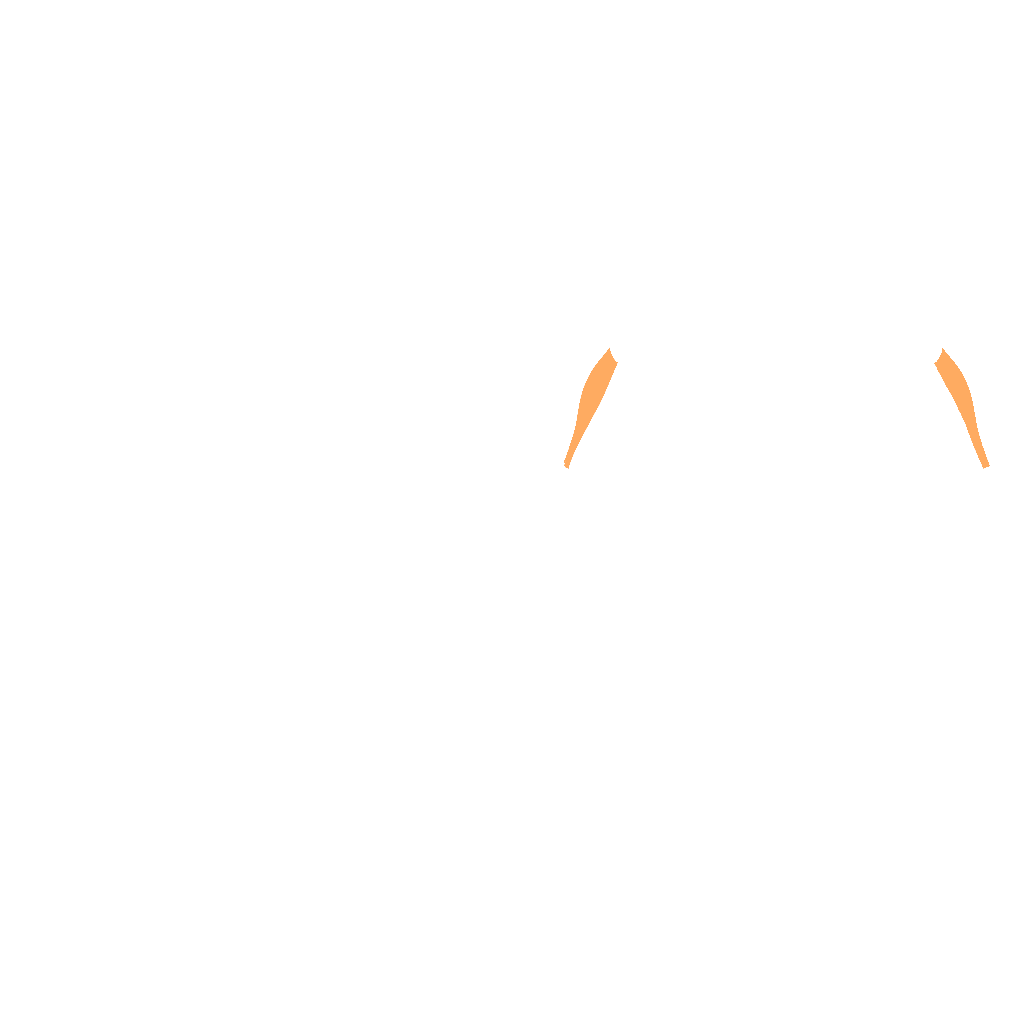

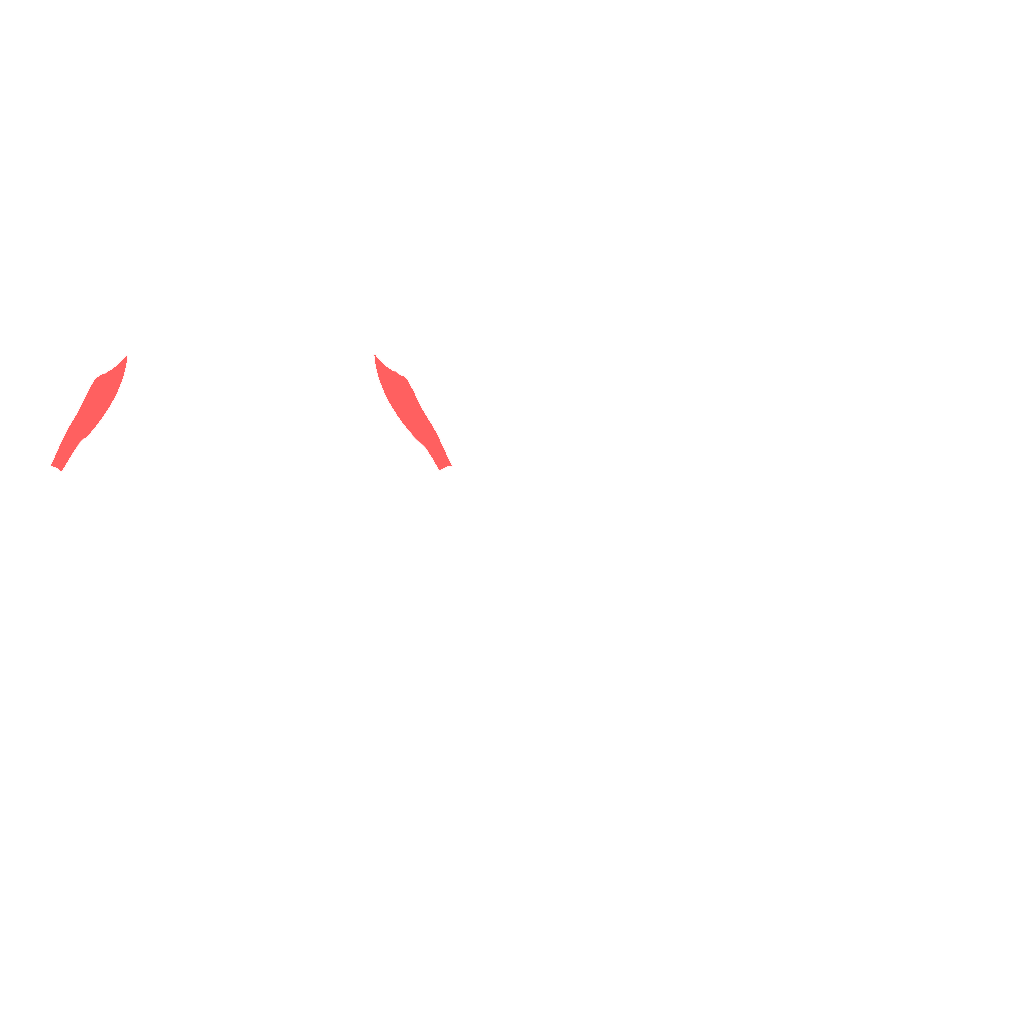
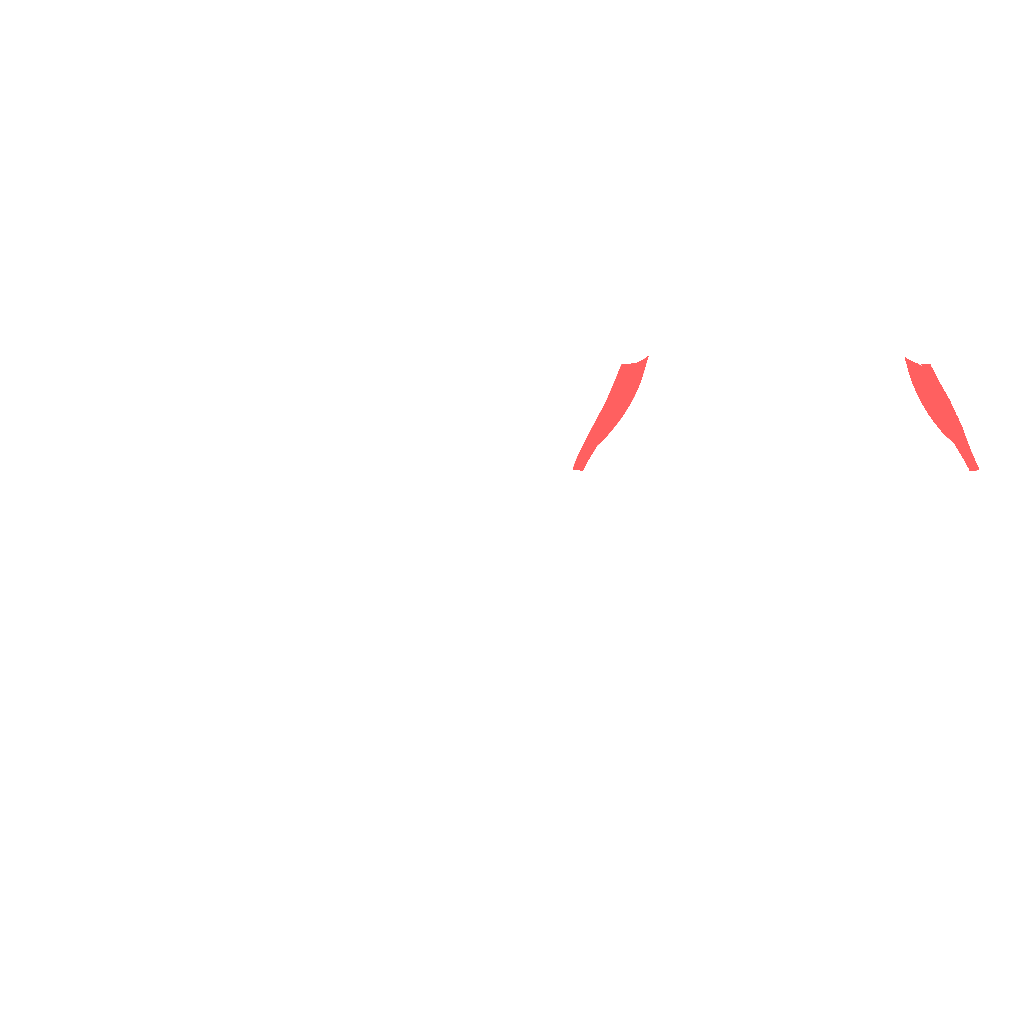
- Target
- Brachioradialis
- Secondary
- Extensors, Biceps Brachii Long Head
- Tertiary
- Biceps Brachii Short Head
How to do it
- 1
Grab a smooth weight plate and pinch it flat between your thumb on one side and fingers on the other.
- 2
Let the arm hang straight with the plate held vertically, faces pointing left and right.
- 3
Keep your elbow tucked against your side and your wrist firm.
- 4
Curl the plate up toward your shoulder without letting it tip or slip.
- 5
Squeeze at the top, then lower slowly to a full stretch.
- 6
Finish the set, then switch hands.
Tips
- Pick a plate light enough that your pinch grip lasts the whole set, not just the first reps.
- Keep the plate faces vertical so the grip stays honest and the wrist stays neutral.
- Do not swing. Momentum makes the plate slide and cuts the forearm out of the work.
- Chalk your fingers so you train the muscle rather than relying on sweaty friction.
Variations
Common mistakes
- Hooking your thumb over the top edge so the plate hangs from the rim. The point is to pinch the flat faces, and the moment the thumb finds the lip your grip stops being trained.
- Fighting a plate that has already slid a centimeter through your fingers. It will keep going, so set it down, regrip, and count that set as finished.
- Standing with the plate over your toes. A pinch grip does not fade, it lets go all at once, so stand clear or work over a mat.
- Holding your breath and crushing the plate for the whole set, which cramps the forearm before your elbow flexors get any work. Breathe out as you curl and grip firmly rather than as hard as you can.
Frequently asked
- How many sets and reps of the plate curl should I do?
- Let your grip set the numbers. Use a plate light enough that the last rep is limited by your arm and not your fingers, which for most people means starting at 5 kg (10 lb); a 10 kg plate is already a serious pinch. Three sets of 8 to 10 per hand is the working target, resting a full minute between hands, since grip recovers slower than you expect. Add reps first, then hold the last rep at the top for a few seconds, and only then move up a plate.
- What can I use instead of a weight plate for a pinch curl?
- Two thin plates pinched together give you the same challenge with more sizes to pick from. At home, a thick hardcover book held by its covers, a wooden chopping board, or a laptop in a sleeve all pinch the same way. If you want the forearm work without the grip work, a dumbbell reverse curl trains the same muscle with a normal grip and lets you use more weight.
- What does the plate curl build?
- Two things at once: the brachioradialis along the top of the forearm, and the pinch grip in your thumb and fingers, which is the grip that fails first when you carry plates or hold a thick bar. That makes it a tidy accessory for anyone who wants thicker forearms and stronger hands without adding a separate grip exercise. It is a poor builder for the biceps, because the plate has to stay light enough for the fingers to hold. Leave it out on days you plan to deadlift heavy afterwards.
Related exercises
Other movements among FitRay's 2,000+ exercises that load the same target muscle — same equipment and level first.
- IntermediateEZ-Bar Reverse CurlBarbell · Biceps · Forearms
- IntermediateHammer Preacher CurlBench · Dumbbell · Biceps
- IntermediateIncline Dumbbell Reverse CurlBench · Dumbbell · Biceps
- IntermediateReverse Barbell CurlBarbell · Forearms
- IntermediateReverse Preacher CurlBarbell · Bench · Biceps
- IntermediateSeated Incline Hammer CurlBench · Dumbbell · Biceps