Rack Pull Above Knee
With the pins set above the knee, the range shrinks to the final hip extension, so you can pile on load that trains the glutes, erectors, and traps to finish heavy. It is a favorite for building a strong lockout and a thick upper back without the systemic cost of full pulls. Keep the ego in check because the short stroke tempts you into sloppy, rounded reps.
- Equipment
- Barbell
- Type
- Strength
- Browse by muscle
- Erector Spinae, Gluteus Maximus, Trapezius Upper
- Browse by movement
- Hinge





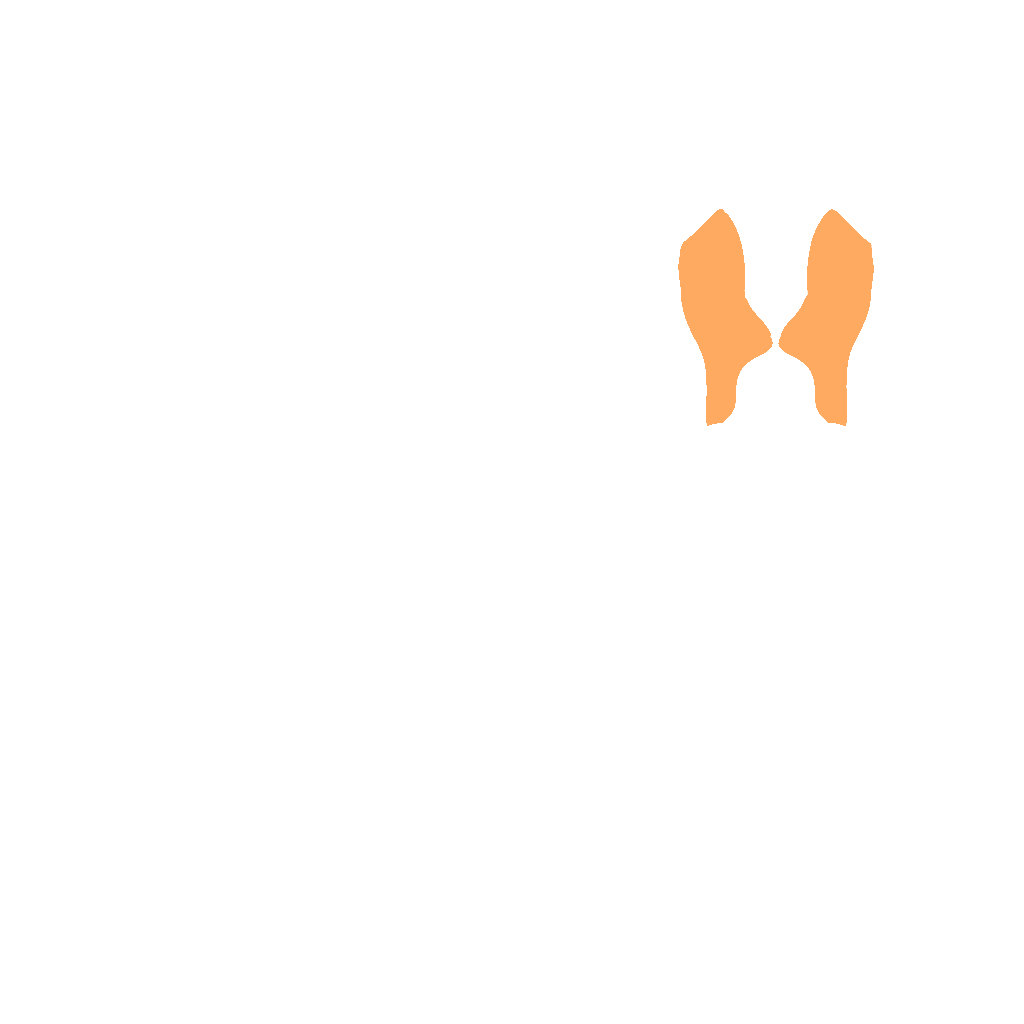





- Target
- Erector Spinae, Gluteus Maximus, Trapezius Upper
- Secondary
- Biceps Femoris, Semitendinosus, Latissimus Dorsi, Trapezius Middle
- Tertiary
- Trapezius Lower
How to do it
- 1
Set the pins so the bar sits an inch or two above your kneecaps.
- 2
Position mid-foot under the bar and take a shoulder-width grip.
- 3
Brace your abs, set a tall flat back, and pull the slack from the bar.
- 4
Extend your hips to stand fully upright, driving the bar back toward you.
- 5
Squeeze the glutes and hold a tall lockout for a beat.
- 6
Hinge the hips back and return the bar to the pins with control.
Tips
- Retract the shoulder blades slightly to keep the upper back tight through lockout.
- Do not hyperextend or lean back at the top; finish stacked, not arched.
- Because the range is short, add straps only after your raw grip has been trained.
Variations
Common mistakes
- Because the range is only a few inches, the bar gets yanked rather than pulled, and that jerk off the pins is where most tweaked backs on this lift come from.
- Setting the pins by eye instead of against your own knee puts the bar mid-thigh on a taller lifter, where the hinge barely happens and it becomes a heavy hold.
- The knees push forward to get under the bar, which drops the hips into a squat and takes the hamstrings out of a movement meant to be a hinge.
- The lockout is held with the shoulders rolled forward under the load, so the upper back rounds a little further with each rep of a heavy set.
- The bar drifts away from the thighs on the way up, adding inches to the lever exactly where the load is heaviest.
Frequently asked
- How many sets and reps of the rack pull above knee should you do when you are new to the exercise?
- Keep it to three or four sets of 3 to 5 reps, resetting your brace on the pins between each one. The short range tempts big jumps, so add five to ten kilos a week at most, and end the set the instant the upper back gives up its position. Once every week or two alongside your deadlifting is enough.
- What can I use instead of a rack for the rack pull above knee?
- A high-handle trap bar starts at a similar height and is far kinder on the lower back. Blocks or stacked mats under the plates work if your gym has them. With neither, a Romanian deadlift from standing covers the same upper hinge at lighter loads, and a hip thrust trains the lockout the glutes are supposed to finish.
- Who is the rack pull above knee for, and when is it a poor choice?
- It suits lifters who stall at the top of the deadlift and anyone building trap and upper-back thickness, because the short range lets you hold heavy loads. It is a poor choice for a beginner deadlifter, since a full pull teaches more and needs less weight. It is also the wrong pick for hamstring size, because the hardest part for them sits below the pins.
Related exercises
Other movements among FitRay's 2,000+ exercises that load the same target muscle — same equipment and level first.
- IntermediateBarbell Hip ThrustBarbell · Bench · Glutes
- IntermediateBarbell Romanian DeadliftBarbell · Glutes · Hamstring
- IntermediateBanded Barbell Good MorningBand · Barbell · Glutes
- IntermediateBarbell Frog PumpBarbell · Glutes
- IntermediateBarbell Kneeling SquatBarbell · Glutes
- IntermediateBarbell Suitcase DeadliftBarbell · Abs · Glutes