Rack Pull Below Knee
Setting the bar on pins below the knee cuts off the hardest part of the deadlift off the floor and lets you handle heavier loads through the upper hinge. It hammers the glutes, hamstrings, and spinal erectors while building lockout strength and grip. Use it to reinforce a stalling deadlift or to load the posterior chain when floor pulls beat up your back.
- Equipment
- Barbell
- Type
- Strength
- Browse by muscle
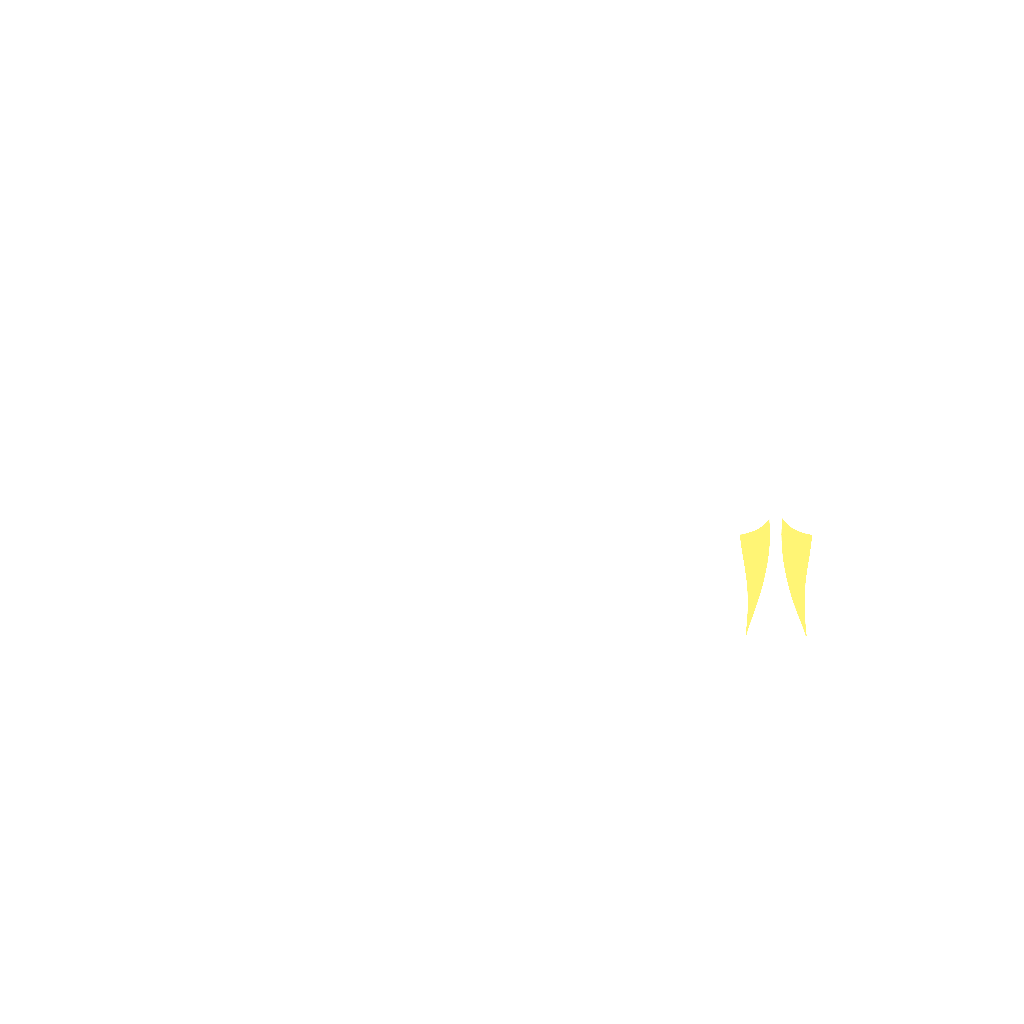
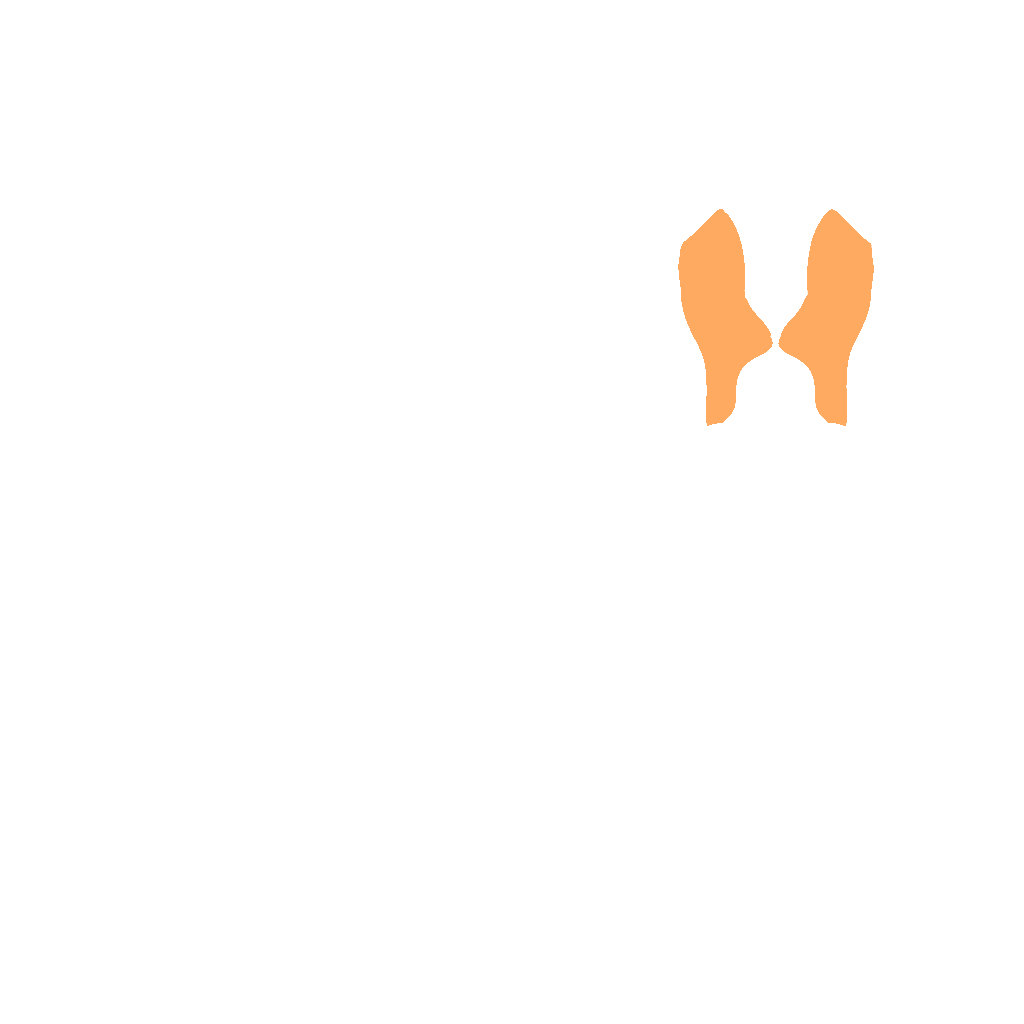
- Gluteus Maximus, Biceps Femoris, Semitendinosus, Erector Spinae
- Browse by movement
- Hinge










- Target
- Gluteus Maximus, Biceps Femoris, Semitendinosus, Erector Spinae
- Secondary
- Trapezius Upper, Latissimus Dorsi, Vastus Lateralis
- Tertiary
- Trapezius Middle, Adductor Magnus
How to do it
- 1
Set the safety pins in the rack so the bar rests just below your kneecaps.
- 2
Stand with mid-foot under the bar and grip just outside your knees.
- 3
Set a flat back, pull your chest tall, and brace your abs hard.
- 4
Take the slack out of the bar, then drive your hips forward to stand tall.
- 5
Squeeze your glutes at the top without leaning back past standing.
- 6
Push your hips back and lower the bar to the pins under control.
Tips
- Keep the bar dragging up your thighs; letting it drift forward kills the lockout.
- Reset your brace and flat back on every rep rather than bouncing off the pins.
- Pick a pin height honestly; below the knee should still challenge your hinge, not just your traps.
Variations
Common mistakes
- The hips rise before the bar does, so the back is already at its steepest angle when the weight breaks off the pins and the erectors take the whole load.
- Lowering by bending the knees first parks the bar against the shins before it reaches the pins, and the return stops matching the path it came up on.
- The rack gets loaded until a shrug is the only way to start the bar, and the traps end up doing what the glutes and hamstrings were meant to.
- A mixed grip goes on from the first light set, so one shoulder spends every rep rotated forward under a load heavier than a floor pull.
- The lockout is finished with a lean back over the heels, which stacks the load onto the small joints at the base of the spine rather than the glutes.
Frequently asked
- How many sets and reps of the rack pull below knee should you start with?
- You should already deadlift from the floor with a flat back before loading pins. Start at three sets of 5 with roughly 90 percent of what you would pull for the same reps, and add weight only while the back position holds. Once a clean triple at about 110 percent of your deadlift is there, that is enough; this lift turns ugly when load outruns position.
- What can I use instead of a rack for the rack pull below knee?
- Set the plates on two low blocks, or pull from a bar loaded with large plates resting on thick mats, which lands at a similar height. A trap-bar deadlift from a slight elevation trains the same upper hinge. With no barbell, heavy dumbbell Romanian deadlifts cover the hamstrings and glutes, though they will not load the erectors the same way.
- What is the rack pull below knee good for, and when should you skip it?
- It builds the top half of the deadlift, the grip, and the erectors, and it is a way to keep loading the hinge when pulling from the floor irritates your back. Because you can handle more than your deadlift, it puts real compressive load on the spine, so treat it as a heavy lift and keep the reps low. Skip it if your back rounds before the pin height even feels hard.
Related exercises
Other movements among FitRay's 2,000+ exercises that load the same target muscle — same equipment and level first.